

Theme: The role of partnerships and media collaboration in advancing strengthened public health and HIV advocacy in South Africa
As South Africa continues to battle the world’s HIV epidemic, the AIDS Healthcare Foundation (AHF) South Africa hosted a timely media and stakeholder dialogue in Johannesburg to confront key gaps in the country’s response. The message was clear: we cannot end HIV without addressing the social determinants of health, fixing systemic weaknesses in our data and health systems, and forging stronger collaborations across sectors. The dialogue underscored the urgent need for bold, people-centred approaches that go beyond medicine alone.
Collaboration is Not Optional: It’s Strategic
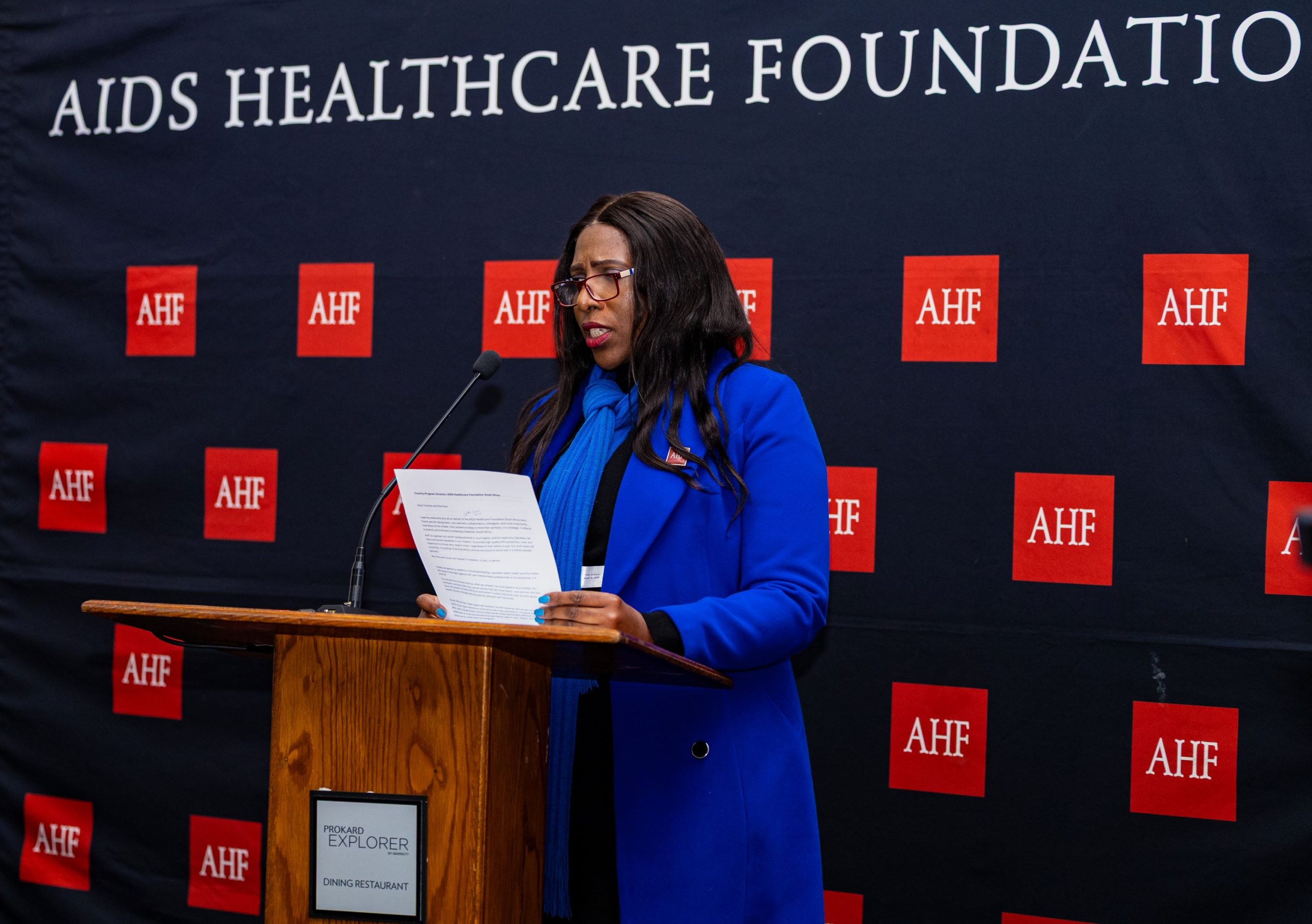
Dr Nombuso Madonsela, AHF South Africa Country Program Director, opened the dialouge by stressing the need for a unified front across media, government, and civil society. She emphasised that while progress has been made through innovative nurse-led models and improved treatment options like dolutegravir, structural barriers persist. “We’re treating people in the dark,” she cautioned, calling for unique patient identifiers and real-time data to better track and support individuals living with HIV. “We need to move beyond treatment numbers and focus on retention and re-engagement,” she added.
Dr Madonsela also highlighted the cost of overlooking social drivers. “People can’t take their ARVs if they don’t have food. They can’t get to the clinic without transport money. Our policies mean little if people’s basic needs are unmet.”
Will vs. Excuses
Comrade Mabalane Mufundisi, representing SANAC and the C20 under South Africa’s G20 presidency, was unequivocal in his call for political courage. “We need to stop making excuses and start making decisions that reflect our people’s needs,” he said. Criticising the private sector’s limited contribution despite profiting from state contracts, Mufundisi called for health financing reforms that bring accountability and transparency.
He also called for digital transformation in patient tracking: “If your business isn’t online, you’re out of business,” he said, quoting Bill Gates to stress the urgency of modernising health information systems.
Youth Voices: Lived Experience Must Shape Policy
Youth advocate and Her Voice Fund Ambassador, Iba Nomonde Ngema, delivered a powerful testimony rooted in lived experience. Born with HIV, she called for greater empathy and trust in youth leadership. “It’s not just about taking a pill,” she said. “It’s about surviving stigma, battling burnout, and fighting to stay alive.” She urged policymakers to listen to the real challenges young people face navigating daily treatment, food insecurity, and social judgment.
“Stop assuming youth don’t understand. Trust us to lead the solutions,” she urged.
Data Gaps Undermine Progress
Representing the National Department of Health, Mr Themba Ngwenya reaffirmed the government’s commitment to partnership. He reported a 70% success rate in the national effort to re-engage 1.1 million patients lost to follow-up. Yet he acknowledged deep limitations in tracking and infrastructure. “The Health Patient Registration System is being upgraded, but financial constraints delay our progress,” he admitted. Ngwenya reiterated the importance of public-private partnerships and community outreach campaigns to bring services closer to people.
Food, Health and Inequality
The dialogue consistently returned to the intersection of poverty and health. From AHF’s Food for Health programme to urgent calls for collaboration with social development departments, panellists agreed that siloed responses no longer suffice. “We must build systems where a health crisis isn’t worsened by an empty stomach,” said Dr Madonsela.
Funding Futures
With uncertainty around future U.S. funding for HIV globally, stakeholders pointed to the need for South Africa to increasingly fund its own HIV response. Mufundisi and others called for the upcoming 2025 G20 presidency to be used as a platform to push for health financing reforms and global equity. The gap in TB financing was also flagged by TB Accountability Consortium members, who compared the urgency of TB response to that of COVID-19. “Men are dying at home while health systems look away,” one delegate noted.
Where the Media Fits In
As the dialogue closed, AHF National Advocacy Manager Mmatsie Tsotetsi called on the media to carry these urgent stories forward, beyond the conference rooms. “Media must not just report the stats but highlight the voices of those left behind,” she said. Tsotetsi urged engagement with Parliament and renewed political pressure to drive real change ahead of the 2030 targets.
The Road Ahead
As South Africa navigates its path toward ending HIV as a public health threat by 2030, the voices from this dialogue point to a clear truth: data, drugs, and doctors are only part of the solution. Real progress will require trust, accountability, continued prevention and collaborative action that centres on the dignity and realities of the people living this epidemic daily.
About AIDS Healthcare Foundation (AHF):
AIDS Healthcare Foundation (AHF), the largest global AIDS organisation, currently provides medical care and/or services to over 2 million clients in 47 countries worldwide, spanning Africa, the U.S., Latin America/Caribbean, the Asia/Pacific region, and Europe.
To learn more about AHF, visit www.aidshealth.org, follow us on Facebook: www.facebook.com/aidshealth, Twitter: @aidshealthcare, and Instagram: @aidshealthcare
SUPPLIED.