

Blending technology, expertise, and artistry to help people feel like themselves again
Modern hair restoration is about far more than replacing lost strands. For many, it’s a journey of regaining confidence, identity, and a sense of self made possible through a careful balance of science, technology, and skilled craftsmanship.
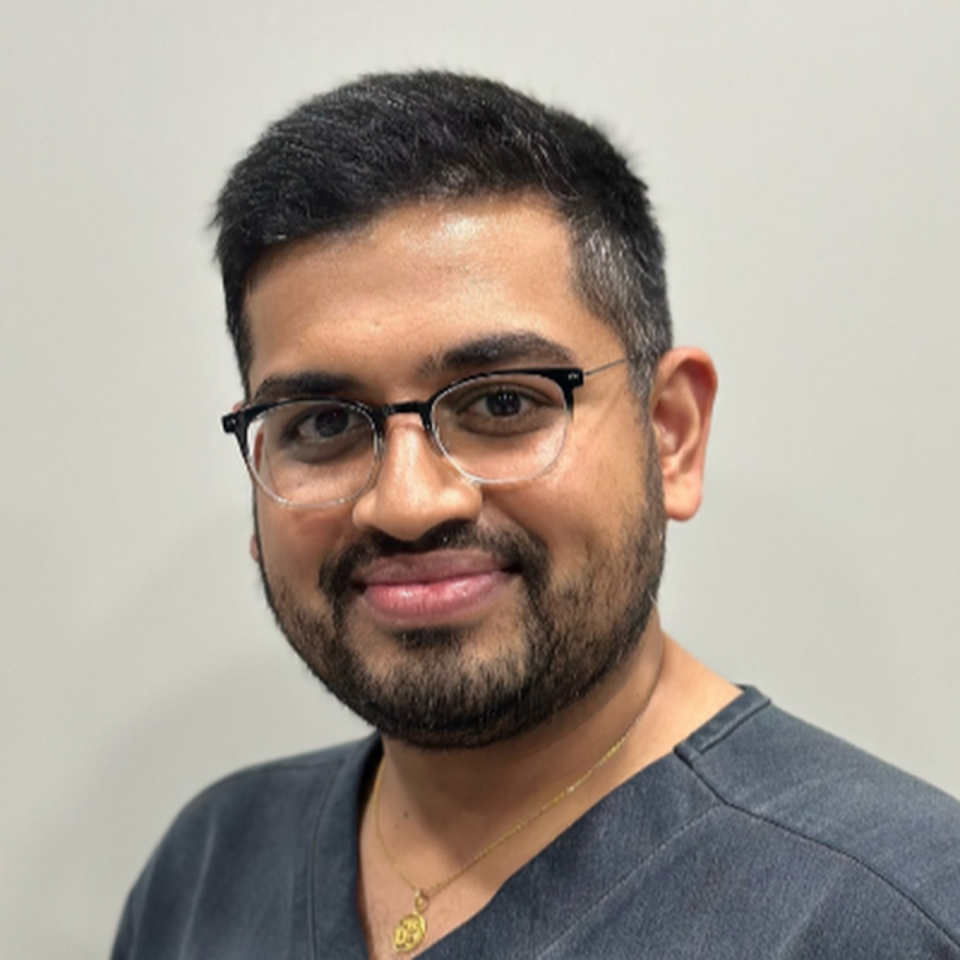
“Hair loss is deeply personal. It can be influenced by biology, hormones, and genetics, but the way it affects someone goes well beyond the medical,” says Dr Kashmal Kalan, Medical Director at Alvi Armani South Africa. “That’s why we combine clinical precision with an artistic approach, because success is measured not just in regrowth, but in how natural and ‘right’ it looks for the individual.”
Every patient’s journey begins with an in-depth consultation that goes far beyond a visual check. Specialists use tools such as microscopic follicle analysis, digital imaging, and AI-assisted mapping to identify the strongest donor follicles and evaluate scalp health. These measurements – taken in microns – allow treatment plans to be crafted with remarkable accuracy, considering hair calibre, scalp condition, skin tone, and natural growth direction.
“This is not a one-size-fits-all process. We consider dozens of variables before recommending an approach, because the right technique for one person might not work for another.”
Once the medical foundation is set, artistry comes into play. Designing a hairline is part science, part sculpture, and getting it right is critical for a natural result. Using principles of proportion and symmetry, specialists create hairlines that complement each patient’s facial structure and ethnic background. Even subtle details matter, like recreating the natural spiral of the crown, which helps blend restored and existing hair seamlessly.
Historically, patients with Afro-textured hair faced higher risks of follicle damage during restoration. Today, thanks to refined extraction and transplantation techniques, outcomes have improved dramatically. These advancements help reduce scalp trauma and increase follicle survival rates – a breakthrough for patients who were previously told their hair type was “too challenging” to treat effectively.
In the past, South African patients often had to wait five to six years for access to the latest hair restoration technologies. That gap is narrowing, thanks to stronger international research collaborations and knowledge-sharing. “Now, we can often introduce innovations within months, rather than years.”
Artificial intelligence already plays a pivotal role in the process, from identifying the best donor follicles to predicting regrowth patterns and supporting surgeons in making data-driven decisions. Meanwhile, research into stem cell therapy, 3D follicle printing, and cloning offers exciting possibilities for the future, although mainstream adoption is still likely a decade away.
For many patients, the journey doesn’t end when the procedure does. Ongoing care, follow-up treatments, and adjustments are part of ensuring the results remain natural and long-lasting. Clinics are also exploring alternatives to medications such as Finasteride to minimise side effects without compromising effectiveness.
With so many “miracle” treatments advertised online, Dr Kalan cautions patients to be discerning. “Hair restoration is a medical process. If someone is offering a quick fix with no clear clinical evidence, it’s a red flag. The most reliable results come from personalised treatment in a professional medical environment.”
In the end, hair restoration is not just about what you see in the mirror – it’s about how you feel in your own skin. And when science and art meet, the results can be life changing.
For more information, visit www.alviarmani.co.za.
SUPPLIED.