



AHF South Africa urges young people to take TB seriously and break the silence around it.
Despite being both preventable and curable, tuberculosis (TB) remains South Africa’s leading cause of death, with an estimated 56,000 TB-related deaths, comprising 25,000 individuals who were HIV-negative and 31,000 individuals who were HIV-positive. Furthermore, an incidence rate of 427 cases per 100,000 people were recorded in 2023, according to the World Health Organization. The Department of Health estimates that more than 270,000 people are infected annually in South Africa alone, including children and young people, who still succumb to the disease.
While South Africa has made progress in its TB response, the country continues to face significant challenges, including missed opportunities for diagnosis, particularly among children and young people, and the growing threat of drug-resistant TB (DR-TB), which is harder and more expensive to treat.
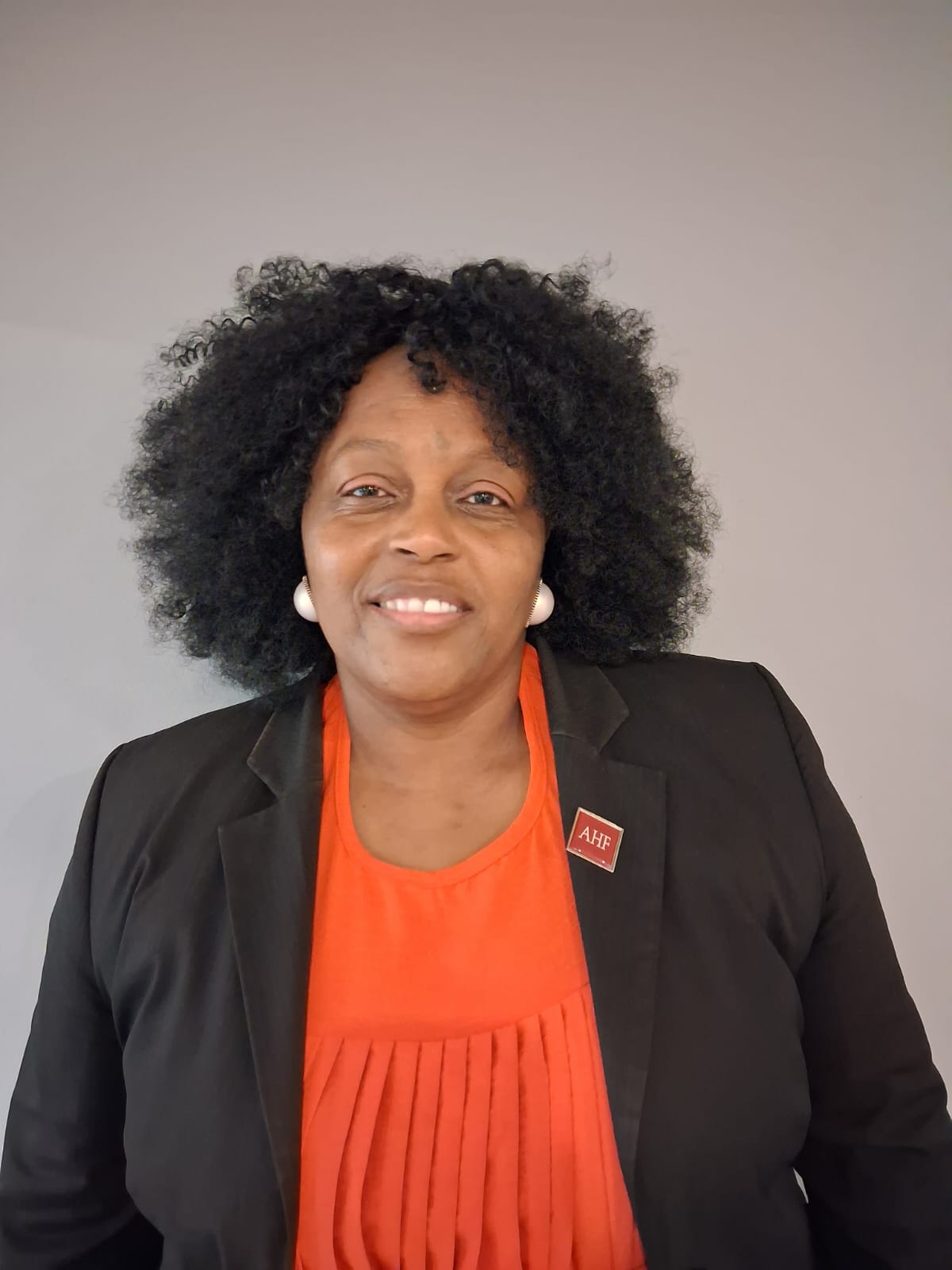
To define and describe TB: it is an airborne disease that spreads when someone with active TB coughs, sneezes, laughs, or even sings in a closed space. Anyone can catch it, and anyone can help stop it,” says Dr. Kgomotso Thipe, Gauteng Provincial Medical Manager for AIDS Healthcare Foundation (AHF) South Africa. The Department of Health END TB CAMPAIGN launched in March 2025, aims to substantially reduce TB incidence and mortality in South Africa by 2035 through testing 5 million people in 2025/26.
So, what exactly is TB?
TB is a serious lung infection caused by bacteria. It spreads through the air, not by touch or sharing food. You can have TB without knowing it for weeks or months. This is why it is important to get tested early, especially if you have a cough, feel tired all the time, have night sweats, or are losing weight without intent. DR-TB (also called MDR-TB) happens when the TB bacteria stop responding to the usual TB medicines. This can happen if someone does not take their treatment properly or stops halfway. It is harder to treat, but not impossible. Early detection is the best protection.
Societal perceptions hinder progress in combatting TB, affecting testing habits and treatment adherence, TB is not spread by “witchcraft” or “bad luck”, a narrative that is often peddled in communities where TB is rife. Stigma and discrimination must be addressed to ensure people understand that it is a medical condition, and with proper treatment, it can be cured.
What makes TB dangerous?
One of the biggest dangers is not knowing you have it, additionally, because of its mode of transmission, closed confined spaces like in the mines, in high density dwellings, TB spreads quicker.
Compounding South Africa’s TB crisis are several biosocial risk factors, including HIV co-infection, alcohol use disorders, smoking, and diabetes. About 54% of TB patients in South Africa are also HIV-positive. This is why we always encourage HIV and TB screening to go hand in hand,” says Dr. Thipe.
How do we fix this?
Dr. Thipe says the answer lies in awareness, early screening, and support.
TB is often perceived as a disease of poverty, and the stigma surrounding it, especially due to its link with HIV, continues to delay diagnosis and treatment.
“People are still scared to talk about TB, but it is not a death sentence,” says Dr. Thipe. “We need to break the stigma.”
Despite TB services being free in South Africa, many patients face significant financial hardship, from travel costs to lost income and the need for better nutrition.
The good news as outlined by the Department of Health’s TB Recovery Plan version 4.0 , April 2025-March 2026 is as follows: 1) the rollout of the six-month BPAL-L regimen for DR-TB, initiated in September 2023, has already benefitted over 7,400 patients, a significant advancement in the country 2)introduction of a four-month shorter TB regimen for children in 2024 and 3)short-course TB preventive treatments (3HP and 3RH) that has the potential to significantly reduce new infectionsif widely implemented.
The South African Government has responded with significant efforts that have been made to restore services impacted by the COVID-19 pandemic, with 2.99 million Tuberculosis Tests (Nucleic Acid Amplification Tests -TB NAATs) conducted in 2024 to strengthen case detection, as clearly outlined in the National TB Recovery plan version 4.0. “We still need to get young people involved in community awareness,” she adds.
What is AHF doing?
AHF South Africa is intensifying its advocacy efforts across provinces to support the national TB response, particularly in addressing stigma, discrimination, and access barriers. In line with the objectives of the Department of Health End TB campaign, the organization is aligning its programmes and interventions to help eliminate tuberculosis and save lives. In Gauteng, the organisation works closely with the Departments of Health, as well as strengthening referral pathways to Social Development and SASSA, with the aim to tackle the underlying social determinants that fuel TB, including poverty, food insecurity, that often prevent individuals from accessing care and support.
“We are supporting real people with real struggles. TB care must include everything from food parcels and transport help to follow-up calls and support groups. It is a team effort,” says Dr. Thipe.
What can you do?
- Get tested if you have a 24-hour cough.
- Finish your treatment if you start TB medicine.
- Encourage others to talk openly about TB.
- Do not wait—early action saves lives.
“Yes, we can end TB. But only if we treat it like the emergency, it is,” concludes Dr. Thipe.
About AIDS Healthcare Foundation (AHF):
AIDS Healthcare Foundation (AHF), the largest global AIDS organization, currently provides medical care and/or services to over 2 million clients in 46 countries worldwide, spanning Africa, the U.S., Latin America/Caribbean, the Asia/Pacific region, and Europe.
To learn more about AHF, visit www.aidshealth.org, follow us on Facebook: www.facebook.com/aidshealth, Twitter: @aidshealthcare, and Instagram: @aidshealthcare.
SUPPLIED.
…