

Many South Africans are paying for solar systems that do not perform as promised. As loadshedding lingers and electricity tariffs continue to rise, the rush toward solar has accelerated. Yet thousands of households and businesses are left disappointed when their systems underperform, break down or fail long before they should. Much of this frustration could be avoided with better information upfront.
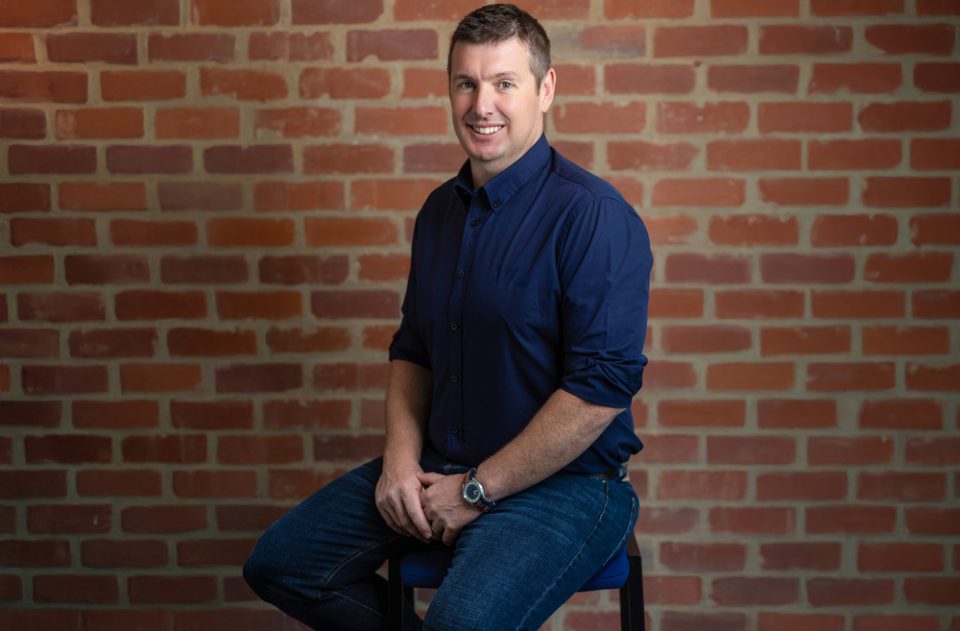
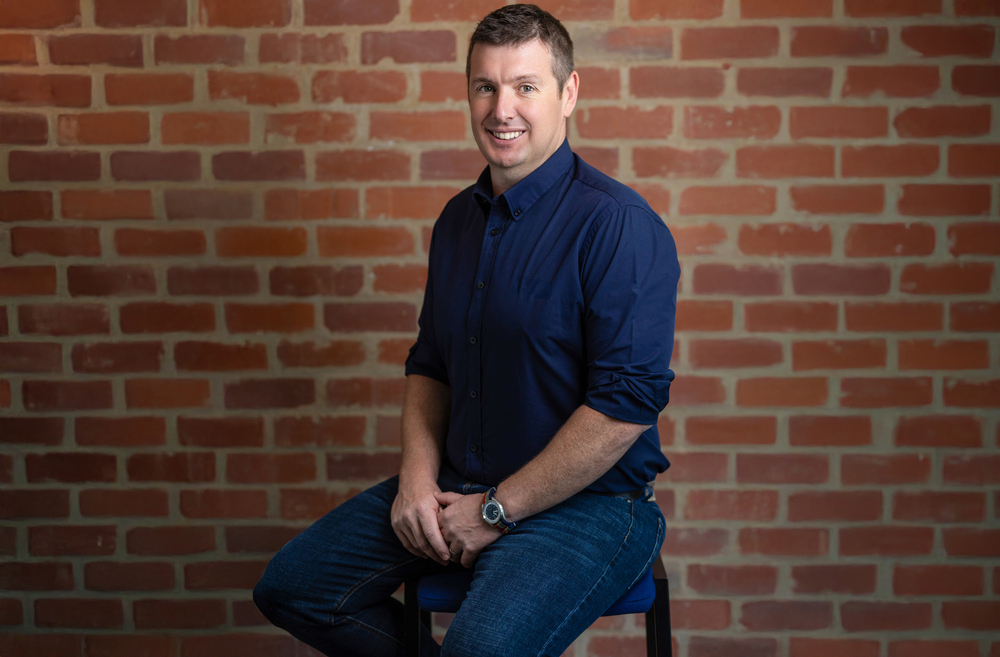
According to Rein Snoeck Henkemans, Co-founder of Alumo Energy, most issues begin long before installation. A common misconception is that more panels automatically mean more power. “Homeowners often focus on the number of panels rather than the total energy output,” he says. “Two systems might have the same number of panels, but if the wattage differs, the electricity generated also differs.”
Another pitfall is selecting the cheapest option. Low-cost systems often use inferior components, offer weak warranties and rely on installers who lack adequate experience. “They may work for a short while, but they rarely last. Replacing a failed system is far more expensive than investing in quality from the start.”
Quality, certification and safety
Before committing to a system, consumers should verify that panels and inverters come from reputable manufacturers. Surge protection must be installed on both the AC and DC sides to reduce fire and equipment damage risks. Certification is equally important. Uncertified systems can lead to insurance claim refusals or even enforced removal if they do not comply with safety standards. Checking whether the system appears on the approved NRS list is a practical safeguard.
A vague or incomplete quote is another red flag. “If a quote does not clearly list the panels, batteries, cables or protection measures included, it is best to walk away. You are trusting this company with your energy independence, so credibility is essential. Reading reviews or asking for references can also help consumers avoid costly mistakes.”
Design and site assessment
Correct system design is key to long-term performance. Alumo begins every project with an in-person assessment of energy needs, usage patterns and available budget. A system that is too small will struggle during outages while an oversized one leads to unnecessary spending. For commercial clients, Alumo provides detailed design packs that illustrate power flow throughout the system and support compliance.
Environmental and structural factors also play an important role. Even small areas of shading can reduce output across the entire array. Roof type influences installation complexity, with flat roofs often requiring tilt frames and slate roofs posing higher leak risk. Energy use timing is another important factor. Customers who consume most of their power at night may not benefit from a small battery while shifting certain loads to daytime hours can significantly improve returns.
Installation and aftercare
Unlike many companies that outsource, Alumo uses its own trained installation teams. Systems include self-extinguishing trunking to reduce fire risk and high-quality surge protection to safeguard appliances. Every installation is reviewed by a dedicated quality control manager.
Support continues long after installation. Alumo provides 24-hour assistance, free swap outs for faulty inverters or batteries under warranty and ongoing maintenance. Homes receive a six-month check-up while commercial clients follow schedules tailored to system size and location.
Henkemans offers a final reminder. “If it seems too good to be true, it probably is. Work with a company that designs a system around your exact needs and has a proven track record.”
Solar is no longer only about lowering electricity costs. It is about securing reliable power and long-term peace of mind. With the right partner, South Africans can achieve true energy independence.
SUPPLIED.