

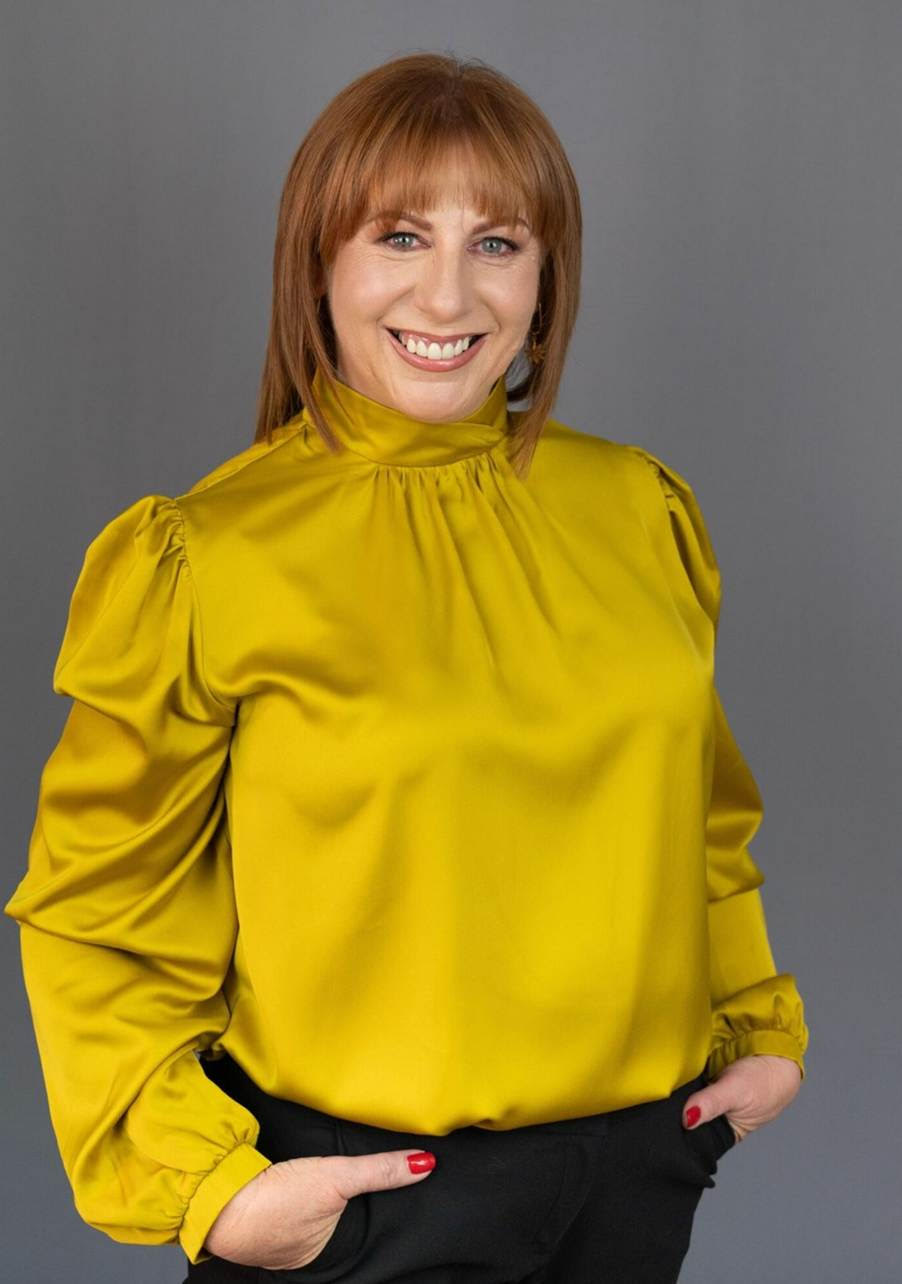
Rika Haasbroek
Sustainability is often thought about as something that can be delivered in a box, signed off on a form and handed to someone who needs it. But real sustainability does not arrive via a gift or donation; it grows through people who learn, practise and eventually pass on their knowledge.
Across South Africa, we see the limits of handouts every day. Donations bring relief and meet urgent needs, but they don’t build long-term resilience or give families the stability they deserve. True social sustainability happens when people are empowered to create, protect and pass on value.
This belief is at the heart of Clover Mama Afrika. The women in our network don’t wait for change to happen; and they certainly don’t rely on handouts. They build their own transformation momentum and, once they learn how to create stability for themselves and their families, they teach others to do the same – which is the point at which community transformation, resilience and sustainability really begins to take hold.
Of course, there are still many incorrect assumptions about community development, including the belief that bigger donations will automatically lead to bigger impact, or that struggling communities cannot sustain themselves without constant outside help. However, while charity brings comfort – and comfort is important – it doesn’t enable personal growth. When equipment is provided without proper training, mentorship or accountability, positive impact is limited. Tools sit unused and projects fade out, not because the recipients lack commitment, but because they lacked the skills to make the most of what they are given.
Experience, and insight, changed our approach to sustainability and social investment. We believe skills must come first, support must be ongoing and ownership of the desired future outcomes should lie with the women – the Mamas – who lead the work. The Clover Mama Afrika project prioritises imparting practical skills, then supports the application of those skills through business training, financial literacy and leadership development.
The value of this approach is evident in the outcomes. Between May and December 2025, no less than 195 women received direct training and another 780 benefitted through peer retraining. Six new training modules were added to the programme, strengthening financial and operational skills. During the same period, 10 900 community members were reached through skills and leadership programmes, and 17 000 were supported through community care and nutrition efforts. The programme has delivered an SROI of over 24:1 this year alone, providing ample proof that skills-based models multiply sustainability impact.
While the numbers are impressive, behind them are real women whose stories show what sustainable change really looks like. Take Mama Zakhe Rammekwa from Princess in Roodepoort. When we met her, she ran a community care centre with more heart than resources and relied heavily on donations to keep going. After training in mosaic work, baking, hairdressing and financial management, she began to build steady income streams. Today she runs three enterprises, employs volunteers who she trains, and reinvests in her feeding projects and food garden. Many of the young women who have learned from her now earn their own income through baking, sewing and hairdressing. Her success is no longer just her own; it has become a sustainability pathway for others.
Mama Nolitha Ndalasi from Khayelitsha in the Western Cape has had an equally inspiring journey. She had long supported vulnerable children and elderly residents, but limited resources kept her under pressure. Through training in cookery, sewing, beading, agriculture and financial literacy, she gained the confidence to expand her centre into a hub of micro-enterprises. She now runs various projects and even supplies produce to Food Forward SA. She trains young people in food production and nutrition and offers a space where they can learn, contribute and feel supported.
These aren’t isolated stories. There are hundreds more of them to be told about Mamas across South Africa. And they all demonstrate that true sustainability is not a policy or a once-off event; it’s a lived experience shaped by people who show ownership, accountability, resourcefulness, consistency and resilience. We often say that such resilience is the “silent R” in sustainability. It is the quality that helps women push through setbacks, adapt, learn and keep moving, turning training into real transformation.
For many funders and corporates, this understanding is a vital mindset shift. CSI has to move beyond occasional giving to investing in skills that allow people to build enterprises, employ others, improve food security and strengthen social cohesion – all of which are vital cornerstones of long-term stability.
South Africa has no shortage of people with potential. What they need is partners willing to invest in them to gain the skills to realise that potential. We’ve seen the power of such partnerships in the Mamas’ we support. In their hands, care becomes a sustainability force that carries whole communities – and future generations – forward.
Rika Haasbroek, Manager: Clover Corporate Social Investment and Clover Mama Afrika. She writes in her personal capacity.