
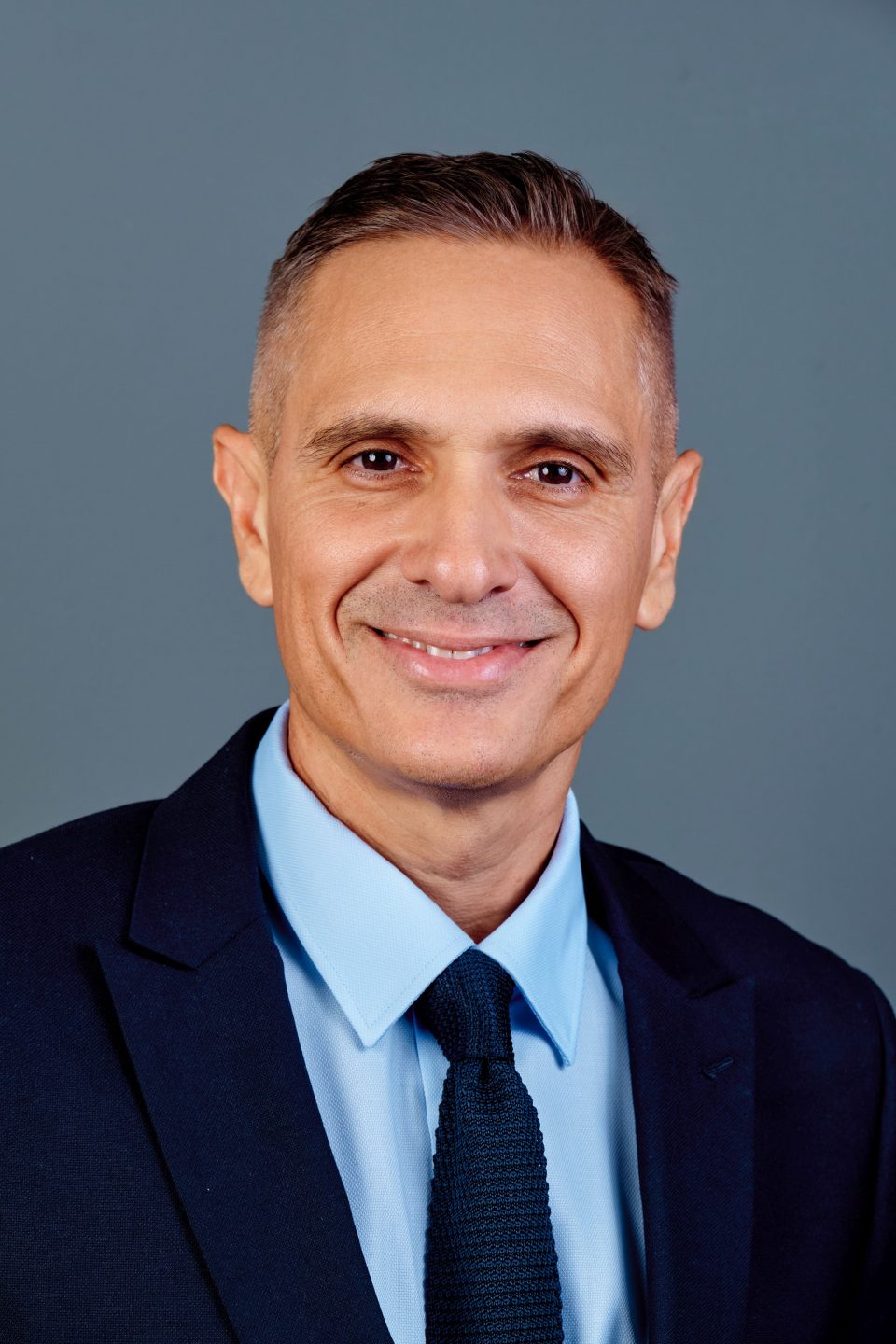
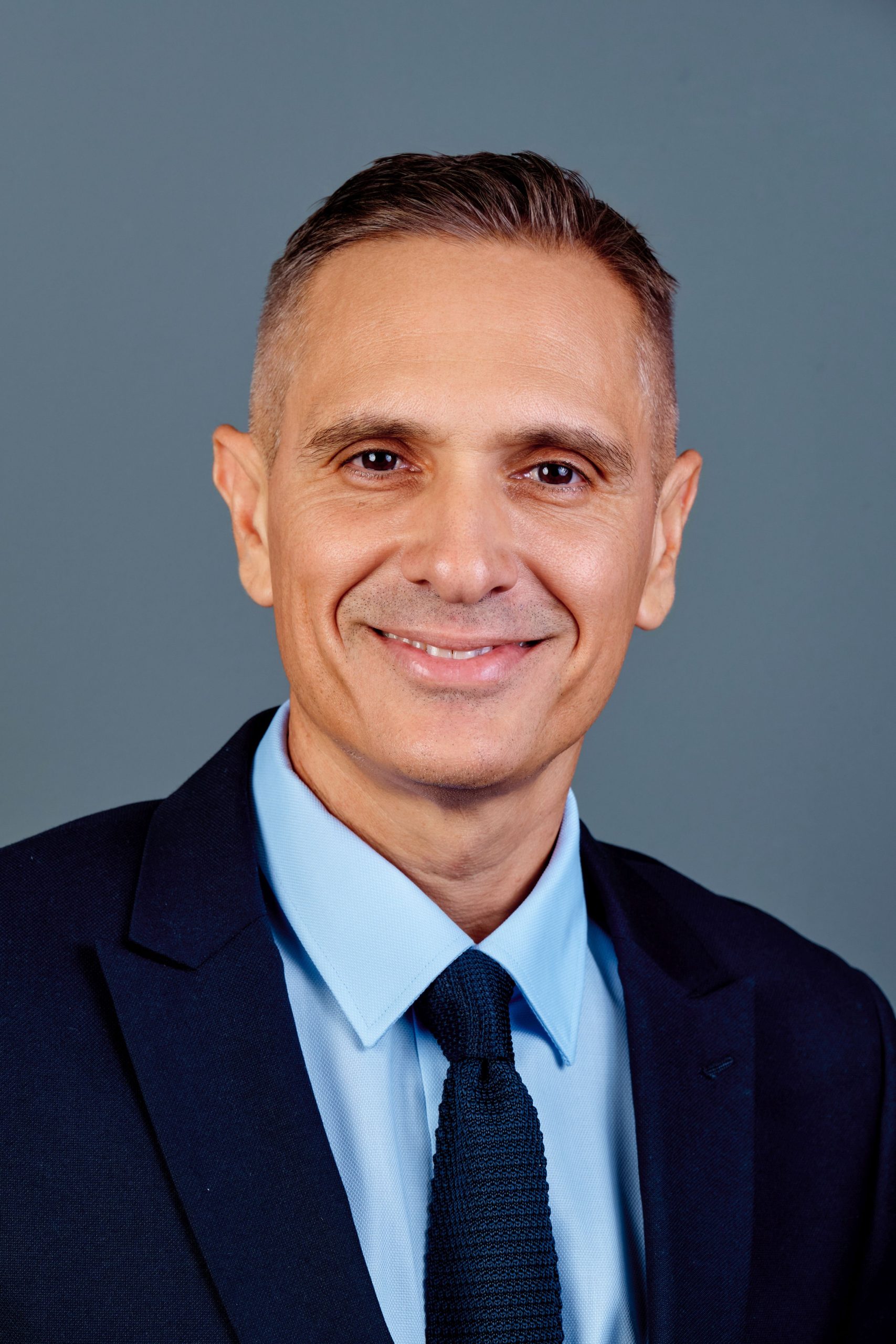
Zihaad Israfil
”South Africa hosted the G20 Summit in November, and though most of the headlines focused on the politics, there were three signals that matter for anyone who saves, invests, or trades.
“The first was about debt and the cost of capital. In the G20 South Africa Leaders’ Declaration, heads of state endorsed a new Ministerial Declaration on Debt Sustainability. They committed to supporting low- and middle-income countries in addressing rising debt vulnerabilities.
“When global leaders agree to improve debt treatment and bring down funding costs for emerging markets, it feeds into how investors price risk, how rating agencies think about countries like South Africa, and how much governments and businesses pay to borrow. For traders, this shapes the backdrop for bond yields, bank earnings, and currencies over the next few years.
“The second signal was the push for reform of the international financial architecture, with a strong African voice. Throughout its G20 presidency, South Africa put African debt sustainability, fairer access to development finance, and reforms to global financial rules on the table.
“What has become clear is that the current system makes capital too expensive for many developing countries. If those reforms move to implementation, the long-term effect could be a more predictable environment for infrastructure, energy, and digital investment across the continent.
“The third signal was the link between climate, critical minerals, and capital. Leaders again recognised the need for ‘deep, rapid, and sustained’ emissions cuts and the need to scale up climate finance. They also endorsed a G20 Critical Minerals Framework as a cooperative approach to ensure that mineral resources support sustainable development rather than deepen inequality.
“Given South Africa’s mining base, investments in critical minerals supply chains could be significant. Investors and traders must watch how capital shifts towards new economic assets, both locally and in the broader emerging-market environment.
“There are three practical implications from the G20 Summit that stand out.
“1. Macro-economics is now a long game. Interest rates may be close to a peak globally, but the G20 debt and architecture discussions suggest that funding conditions for emerging markets will remain in focus. Local traders must pay attention to how global investors respond to reforms, how spreads on emerging-market debt behave, and how these factors feed into the rand and rate-sensitive sectors on the JSE.
“2. Climate and transition themes are becoming part of the cash flow discussion. The Johannesburg commitments on climate finance and critical minerals are part of a broader shift in how capital is allocated. In practice, that means watching for opportunities and risks in utilities, miners, industrials, and financials that are either funding or enabling transition projects. For traders, it is no longer enough to know that climate matters. You need to see how policy, funding, and company strategy intersect in specific names and sectors.
“3. Inclusion and digital infrastructure will shape who gets to participate. Alongside debt and climate, the G20 again highlighted the importance of financial inclusion, digital public infrastructure, and better access to payments and finance for underserved communities. That aligns very closely with what we see on the ground. More South Africans can move from being passive observers to active participants in the financial system. For a broker like CFI, that is both a responsibility and an opportunity to do things properly.
Turning the G20 into something personal
“The G20 will be most useful when it influences how you think about your own financial decisions.
“If you are a South African trader or investor planning for 2026, you need to take the macro-economic environment seriously. This means reading central bank and G20 statements and using them to guide scenarios for growth, inflation, and funding costs.
“Use those scenarios to guide you. For example, if you believe debt and climate reforms will support emerging market sentiment, you might watch specific FX pairs, local banks, and transition-linked stocks more closely.
“Also, keep risk management and education in mind throughout the investment process. Use demo environments, structured learning paths, and clear trading plans so you can respond to what is happening.
“At CFI, we provide traders with secure, transparent access to global and local markets, and support them with education and tools that make complex themes easier to work with. That is why we put so much emphasis on multilingual content, user-friendly platforms, and risk-aware features that help clients understand what they are doing before they commit capital.
“My message going into 2026 is that Johannesburg reminded us that the rules of the game are still evolving, especially for countries like South Africa. If you take the time to understand those shifts, keep your risk defined, and stay committed to learning, you can trade with clarity.”
About CFI: CFI Financial Group, established in 1998, is MENA’s leading online trading broker with over 25 years of experience. Operating from key locations like London, Abu Dhabi, Dubai, Cape Town, Baku, Beirut, Amman, and Cairo, CFI provides seamless access to both global and local markets. Offering diverse trading options across equities, currencies, commodities, and more, CFI delivers superior conditions, including zero-pip spreads, no commission fees, and ultra-fast execution.
The company is a leader in AI-driven tools, offering intuitive and advanced solutions for traders of all experience levels. CFI fosters financial literacy through multilingual educational content and inspires excellence through partnerships with global icons like AC Milan, FIBA WASL, and MI Cape Town cricket team, as well as the Department of Culture and Tourism – Abu Dhabi. With Seven-Time Formula One™ World Champion Sir Lewis Hamilton as Global Brand Ambassador, CFI reflects a shared commitment to innovation and success while supporting cultural and community initiatives worldwide.
For more information: www.cfi.trade
Zihaad Israfil, CEO of CFI Financial Group South Africa. He writes in his personal capacity.