

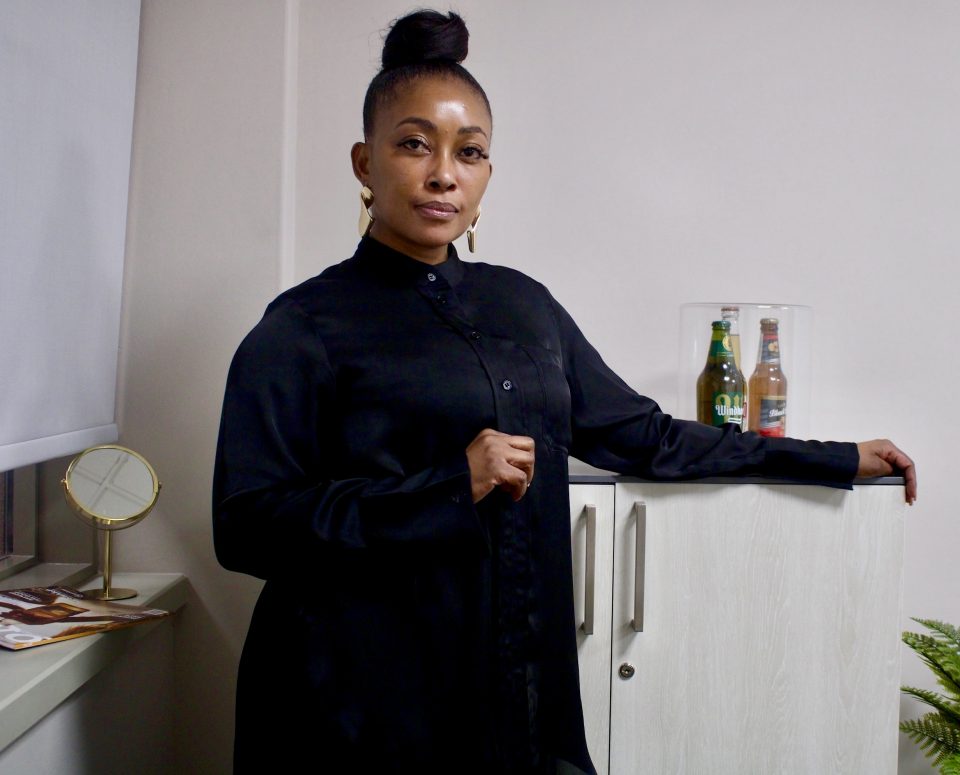
Charlene Louw
South Africa’s beer industry is entering 2026 with renewed confidence and a clear sense of purpose. Despite economic pressure and a changing regulatory environment, brewing remains deeply woven into our social fabric, our agricultural economy and our everyday moments of connection.
Beer is more than just a drink. Behind every bottle or can is a value chain that stretches from barley fields and hops farmers to breweries, delivery trucks, taverns, restaurants and festivals. It supports thousands of livelihoods and plays a meaningful role in both rural and urban communities.
That long-term commitment to South Africa is still visible in continued investment. In recent years, major projects such as Soufflet Malt’s new malting facility next to Heineken’s Sedibeng Brewery and Signal Hill Products’ new Midrand brewery have strengthened local production, created jobs and supported local farmers. These investments matter because they show confidence not just in beer, but in South Africa’s future.
A new way of drinking
At the same time, the way South Africans enjoy beer is changing — and that’s a good thing.
Today’s consumers want more choice, more flavour and more control over when and how they drink. Relying on a single “one-size-fits-all” beer is no longer enough. The market is increasingly shaped by variety: from classic lagers to premium options, from fruit-infused beers to products using indigenous botanicals, and from full-strength beer to high-quality zero-alcohol alternatives.
Lower- and no-alcohol beer, in particular, is no longer a niche. It has become a first-choice option for many people who want to balance socialising with health, fitness and safety. This reflects a broader shift toward more mindful, more intentional consumption.
Just as importantly, people are looking for more than just price. The value of a drink today is about the whole experience: the taste, the setting, the company, and the story behind the product. Beer is increasingly about enjoyment, not excess.
Putting moderation at the centre
A sustainable beer culture depends on trust and responsibility. The future of beer is not about encouraging people to drink more — it is about encouraging people who do drink to do so in safer, more responsible ways.
The industry continues to invest in responsible trading programmes and partnerships that focus on reducing underage drinking, drink-driving and harmful binge-drinking patterns. This work is especially important in a country where most people do not drink alcohol at all, but where harm is often driven by a smaller group of high-risk drinkers.
The beer industry supports government’s intention to introduce a zero-alcohol limit for drivers and has already invested heavily in developing credible zero-alcohol alternatives. But real, lasting change requires a collective effort. Law enforcement, education, community support, mental health services and family structures all have a role to play. There is no single, simple solution.
Protecting consumers and communities
One of the biggest threats to both consumers and the formal beer industry is the growth of illicit alcohol. Illegal products are unregulated, untaxed and often unsafe. They undermine legitimate businesses, put jobs at risk and expose consumers to serious health dangers.
When the formal, compliant industry is weakened, illegal operators benefit. That is why protecting responsible, legal trade is not just an economic issue — it is a public health issue too.
A balanced future
As we look ahead, the message is simple: South Africa needs balanced, practical solutions. We can promote moderation, protect consumers, support jobs and encourage investment at the same time.
Beer has been part of South African life for generations. In 2026 and beyond, it will continue to be a cultural staple, an economic contributor and — increasingly — a symbol of a more modern, more responsible and more inclusive drinking culture.
Charlene Louw, CEO, Beer Association of South Africa (BASA). She writes in her personal capacity.