

As the academic year draws to a close, many first-year students across South Africa will be facing a difficult reality: the realisation that their current path isn’t working out, and the hard choices have to be made – quickly! Poor results, loss of motivation, financial pressure, personal challenges or the discovery that their qualification is not the right fit can leave students feeling that dropping out is the only option.
But it is not, and a challenging start can be leveraged to launch students into a much stronger future, an education expert says.
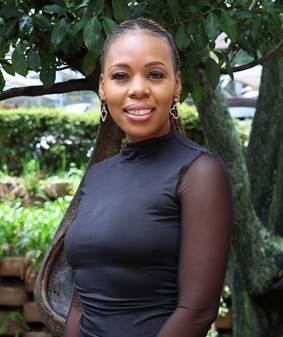
“Students should not mistake a difficult first year for the end of their future and their dreams,” says Pertunia Nkomo-Mofokeng at Rosebank International.
“Knowledge, experience and education is never wasted, and with some honest assessment and smart strategising, what may seem like a disaster now can truly be transformed into a character and career-defining turning point,” she says.

First year dropout rates at South African universities are notoriously high, with research and official estimates suggesting that between a quarter and a third of first-year students do not continue, with some private-sector estimates going far higher. While statistics vary, first-year challenges and potential dropping out is a problem that can safely be said affect tens of thousands of students every year.
“We want to say to these students facing an uncertain future now, that your problem is not unique and that you are not alone. And we want to assure them that the challenge is not insurmountable, even if it may seem like it right now. A change of qualification, institution, learning style, support plan or career direction can be the difference between abandoning a dream and finding a more sustainable way to pursue it,” says Nkomo-Mofokeng.
A SETBACK IS NOT A LIFE SENTENCE
A disappointing first year does not mean a student is incapable, unmotivated or unsuited to higher education. It means something in the current arrangement is not working, and that is an important framing to understand and internalise, says Nkomo-Mofokeng.
That “something” may be the qualification itself. A student may have chosen a degree because of family expectations, peer influence, limited career guidance, or an incomplete understanding of the profession. Once confronted with the reality of the work, they may realise that their strengths and interests lie elsewhere.
“It may also be the circumstances around the studies. Logistical issues, accommodation, family responsibilities, mental-health difficulties, illness, bereavement, isolation or the shock of independent learning can all affect performance,” says Nkomo-Mofokeng.
It may also very well be that the student didn’t or couldn’t meet academic expectations for purely personal reasons. Whatever the cause, the answer is rarely to walk away and decree that studying is not for you. The best approach is to identify the real problem and respond to it directly.
CHANGE COURSE, NOT DIRECTION
Students should replace the question, “Should I drop out?” with, “What is the best next step for me?”
“Dropping out should be a last resort, not a first reaction. Before making that decision, students should explore whether they can remain in higher education in a form that better suits their needs. They may be able to continue in the same qualification with targeted academic support, repeat failed modules, reduce their course load where permitted, access counselling or financial assistance, or improve their study approach,” says Nkomo-Mofokeng.
If the field itself is wrong, students should consider changing qualifications.
“Many universities, public and private, allow students to apply for a different programme in the following year, subject to admission requirements and available places. Changing course is not a sign of weakness – it is often a sign of growing self-knowledge.
“Students may also transfer to another institution. This is particularly advisable if the current challenges arose because of class sizes, outdated curricula, sub-par campus facilities or lack of academic and other support. If the current institution is potentially the problem, students are encouraged to investigate all other viable options and visit campuses to speak to academic advisors and support staff.”
GET HELP
No student should carry this burden alone, says Nkomo-Mofokeng.
“Good universities offer academic advisers, student counselling services, career development services, financial aid offices and student support programmes precisely because the transition to university can be difficult. Approach and use these services at your institution to help you clarify the path forward. If your current institution does not offer these support services, or if they are ineffective or onerous, that may very well be a clear sign that you should consider your options elsewhere.”
MAKE A PLAN
A student who decides to change direction should do so deliberately, not impulsively. Before registering for anything new, they should:
- Identify what specifically did not work: the subject, workload, teaching environment, finances, wellbeing, study habits or career goal.
- Speak to a faculty adviser, career counsellor, student counsellor or trusted academic mentor.
- Research at least two or three realistic alternatives, including their entry requirements, duration, costs and career outcomes.
- Ask whether any completed modules or credits can be recognised in a new programme.
- Speak to people already working in the fields they are considering.
- Confirm how a change may affect funding before registering for a new qualification.
- Put a support plan in place for the areas that contributed to the difficulty.
SUPPLIED.