

Dr Onyinye Nwaneri
Children with autism do not struggle because they lack potential; they struggle when the world around them is not ready to understand how they communicate, play, learn or cope with change. In South Africa, that challenge is often felt most sharply in the education system, where support is uneven, specialist services are limited and many teachers are already stretched thin.
In rural communities, the pressure is even greater. Autism is often recognised later than it should be, support systems are harder to access and families often have to carry the burden of uncertainty for far too long. As we mark World Autism Awareness Day on 2 April and Autism Acceptance Month throughout April, this is the right moment to ask what real acceptance or autism looks like, particularly in regions in our country where resources are scarce and the need is great.
This reflection has to start with understanding that acceptance and support of autism cannot be reduced to an Autism Day slogan. It has to become permanently evident in the classroom where a single teacher is trying to guide many different learners, often with very little backup. It also has to be seen in early learning spaces where developmental differences should first become visible – but where staff may not yet feel equipped to respond. And the required support has to also be available in homes and communities where parents often know something is different about their child, but don’t know where to turn for help.
Research done in Limpopo Province in 2023 provided a picture of what the challenges related to autism in our education system look like on the ground. The study found that teachers supporting autistic children had to overcome a plethora of challenges, from substandard infrastructure and limited teaching materials to a shortage of health practitioners, uneven teacher learner ratios, inadequate staff skills and weak management support. This points to a structural problem rather than a lack of care or commitment from teachers themselves. Essentially, we are asking our educators to carry responsibilities that the wider system has not properly recognised and isn’t itself equipped to support.
That burden is often heavier in rural settings, where specialist assessment and therapy services are inaccessible and where autism is often poorly understood. A 2024 study on caregivers of non-verbal autistic children in rural KwaZulu-Natal, published in the South African Journal of Communication Disorders, revealed a need for greater public awareness, caregiver counselling, autism support groups and more specialised education options.
Another 2024 South African study found a delay of roughly three years between the recognition of first symptoms and a formal autism diagnosis. A delay like that can misshape a child’s whole early experience of learning. On the other hand, when adults understand what they are seeing earlier, children are more likely to be supported in ways that reduce frustration and build communication, confidence and connection.
All these research findings support the imperative for early childhood development to be at the frontline of autism inclusion. ECD practitioners are often among the first adults to notice how a child responds to routine, manages sensory input or expresses needs. Unfortunately, early childhood carers and educators often lack knowledge about teaching and accommodating young autistic children in everyday education settings. That gap has to receive urgent attention, because early childhood spaces are where supportive habits should begin, and where fear or misunderstanding can be replaced with practical, compassionate action.
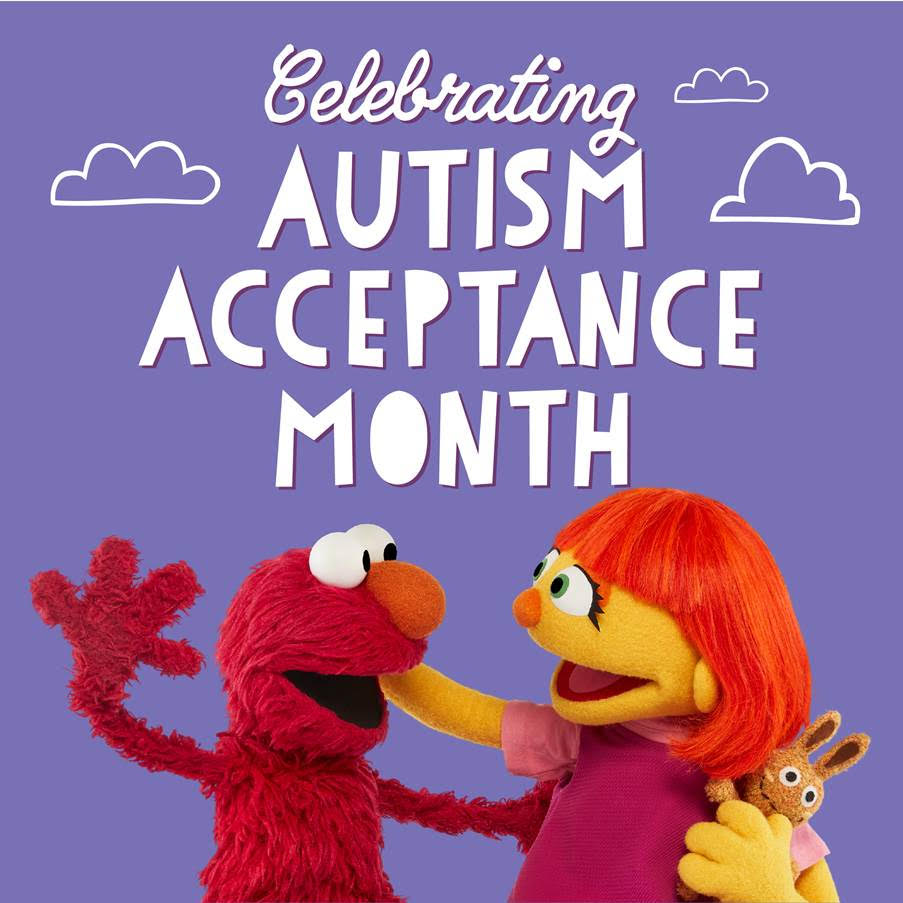
Importantly, autism support doesn’t have to wait for a perfect system or specialist inputs. We can make useful progress simply by giving the adults already involved in autistic children’s lives better tools, clearer guidance and genuine support. This is where practical resources can make a real difference. Sesame Workshop’s new autism materials, released for Autism Acceptance Month, focus on kindness, connection, participation and communication support. They include videos, printables and education designed to help children and adults create more welcoming shared spaces.
In a rural South African classroom or home, where time and support are limited, simple tools like these can help model inclusion in ways that feel achievable. They help to show that communication can happen in different ways, and friendships can blossom when children are taught to accept differences and make room for one another.
In the end, real autism acceptance means more than just saying every child belongs. It means building schools and communities that are better able to recognise difference early and respond with care. And it means supporting the under-resourced teacher who is trying to hold a classroom together while meeting many needs at once. Awareness is definitely a good starting point, but acceptance is what is needed. And that only happens when understanding translates to support, so that all children are given space to be themselves and the genuine chance to learn, connect and thrive.
To access the new resources, visit sesame.org/autism and learn more about supporting every child’s journey toward friendship and inclusion.
Dr Onyinye Nwaneri, Managing Director of Sesame Workshop International South Africa.She writes in her personal capacity.