

FNB experts unpack “penny wise, pound foolish” traps this Savings Month
In your late 20s and early 30s, every financial decision starts to carry more weight. Whether you’re building a career, starting a family, or just trying to stay afloat, it’s tempting to cut corners that feel smart now, but could cost you a lot more later.
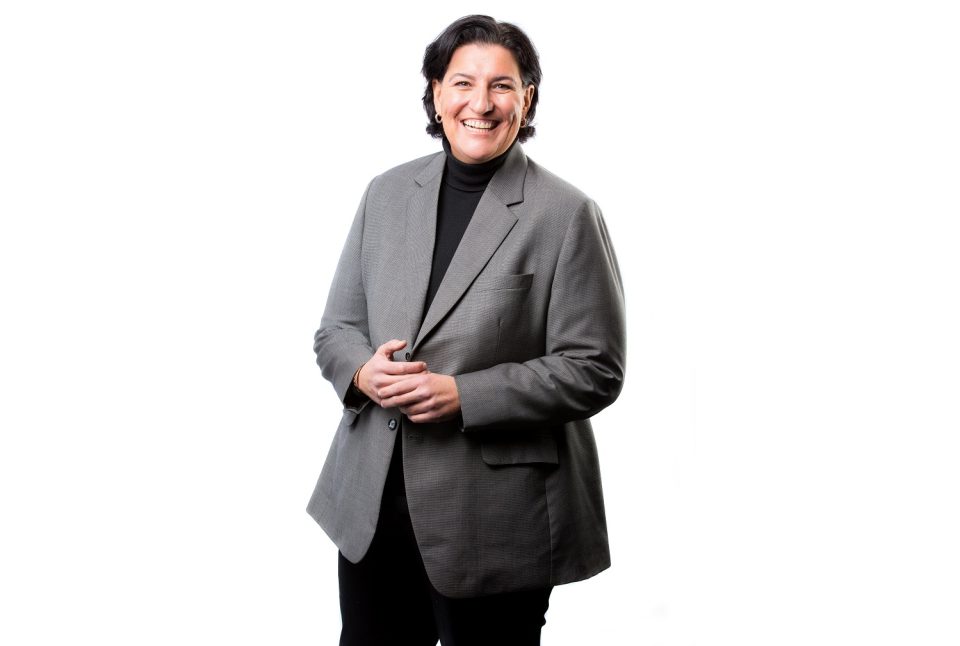
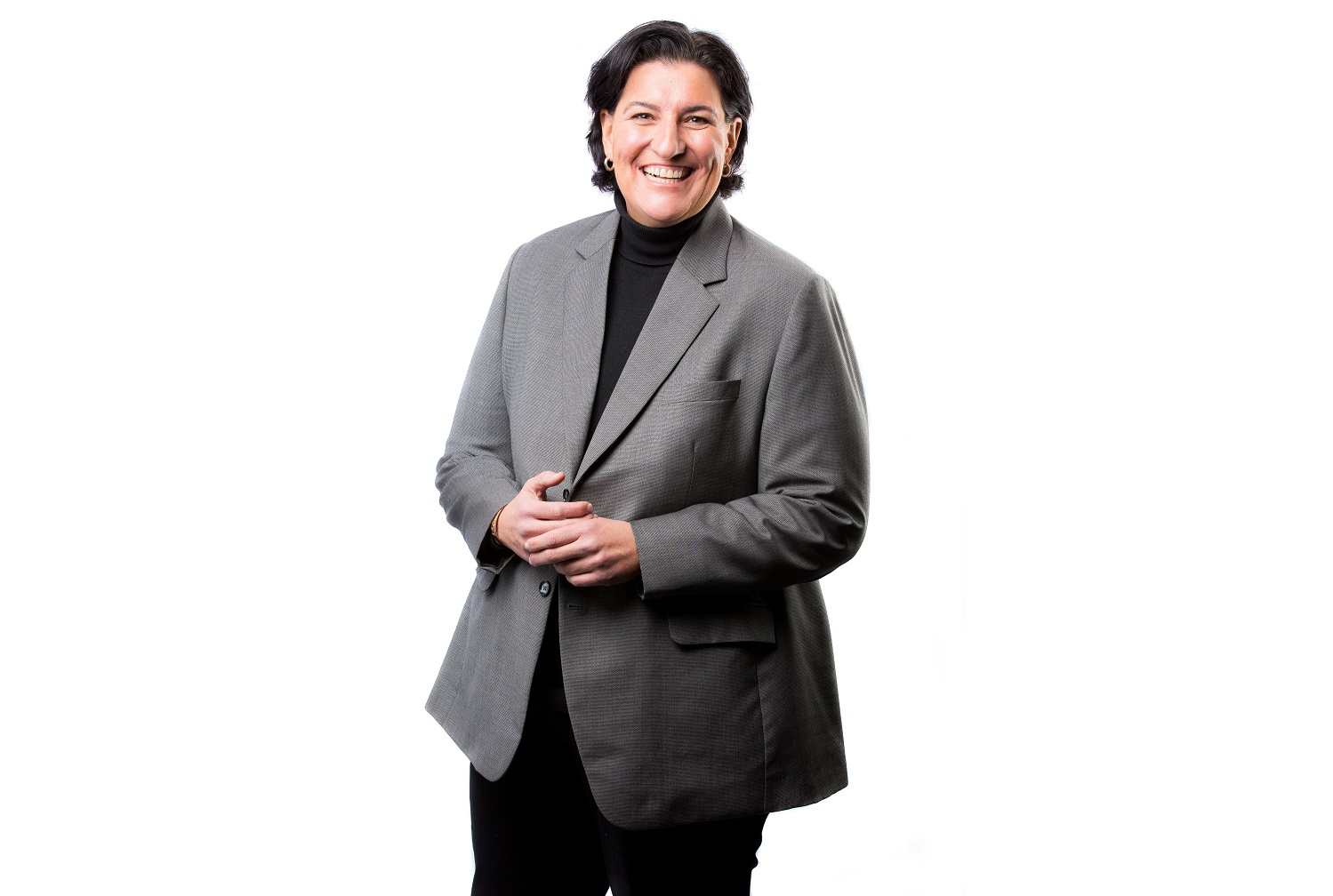
“Some habits seem responsible on the surface but are financially short-sighted,” says Ester Ochse, Product Head at FNB Integrated Advice. “These penny-wise and pound-foolish decisions can quietly hold you back from long-term stability.”
To mark National Savings Month this July, FNB is calling attention to five common traps, and how one can avoid them:
- Delaying retirement savings because ‘you’re still young and think you have time’
Postponing your retirement planning is one of the most expensive mistakes you can make. “The earlier you start with the little you have, the better in the long haul,” says Ochse. “Even small, consistent contributions now, will benefit from compound growth over decades.” You can use tools like the FNB App’s nav»Money feature to get a snapshot of your finances and see where you can start trimming wasteful spend to free up savings and allocate them towards longer-term rewarding decisions.
- Using your emergency fund to settle debt
Clearing debt is important. However, wiping out your entire emergency buffer to do so can backfire. “It leaves you exposed to the next unexpected expense, and you’ll likely fall back into debt again,” says Ochse. Consult with your bank to help you map out a strategy that will allow you to pay off your debt steadily while maintaining a financial safety net.
- Cancelling insurance to save money
Skipping your car, home, or device insurance payments to reduce your monthly costs can have an adverse effect. “One unexpected incident, like theft or accident, could put you into deep debt or wipe out your cash flow,” Ochse warns.
- Saving whatever’s left at month-end
If your savings rely on leftover money, you’ll never build consistency. Rather, pay yourself first by automating a portion of your income into savings before you even start spending.
- DIY investing without guidance
Jumping into investments based on online hype or peer pressure can do more harm than good. While social media can raise awareness, it’s important to take the time to do your homework on those investments and to be discerning about where financial advice comes from.
To stay safe:
- Always consult a registered financial institution or adviser for information.
- Only take advice from qualified professionals or verified financial experts.
- And remember, if an investment opportunity sounds too good to be true, it probably is.
Mindset matters – the long-term view wins
While tools and products can support good behaviour, the real shift happens in your mindset, and that’s where financial education plays a crucial role.
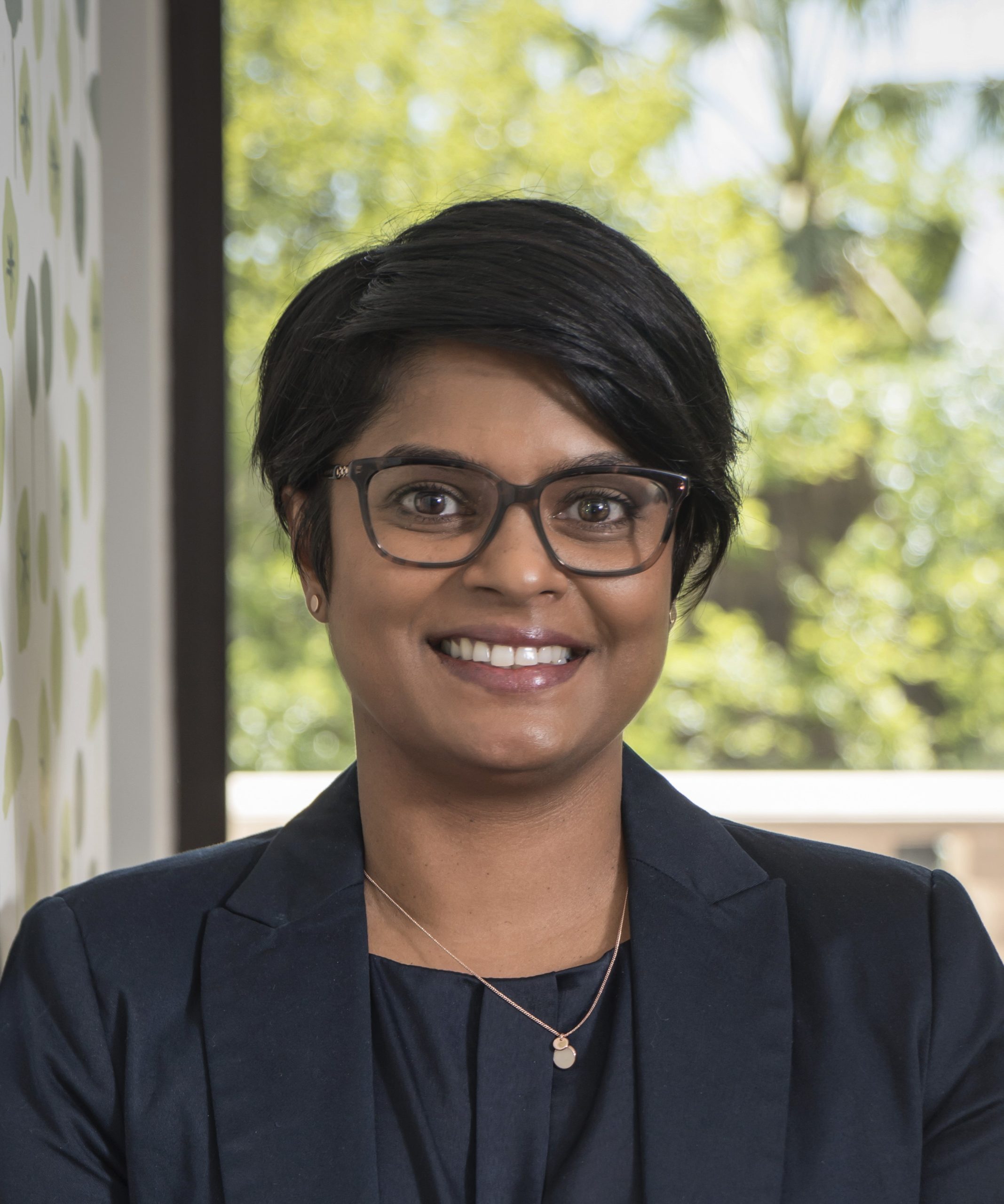
“Financial wellness is about making better decisions more consistently,” says Dhashni Naidoo, Programme Manager at FNB Consumer Education. “The earlier you start being intentional with your money, even if it’s just with small, manageable amounts, the better your future options will be.”
Naidoo adds: “This National Savings Month, it’s worth reflecting on whether your financial habits are moving you closer to the future that you want, even in the face of rising costs and everyday pressures. The goal is to build a life that’s not defined by your past setbacks, but by the choices you make going forward.”
SUPPLIED.