

PLEASE NOTE THIS IS AN UNREVISED SPEECH!!!
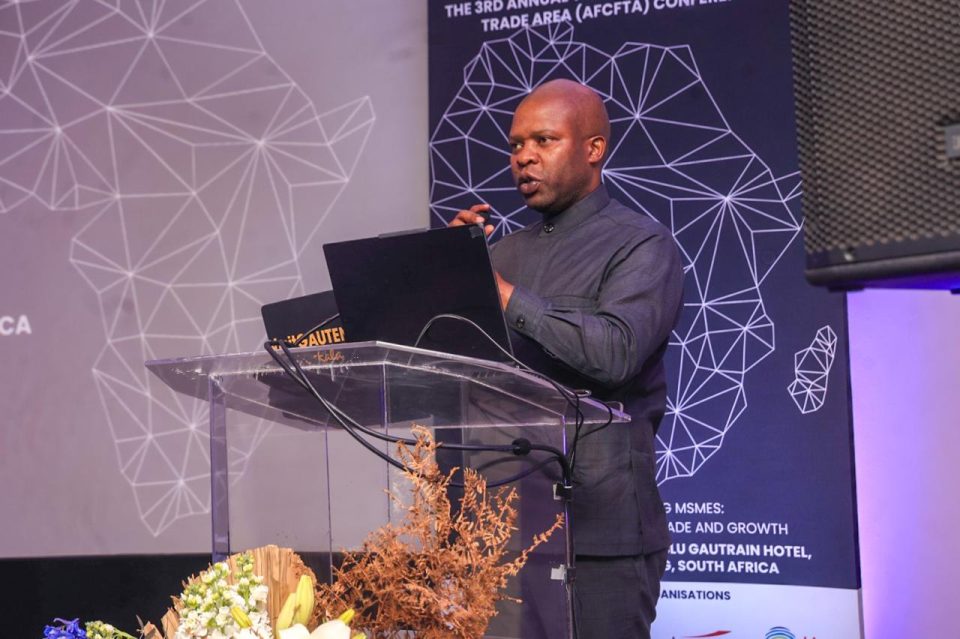
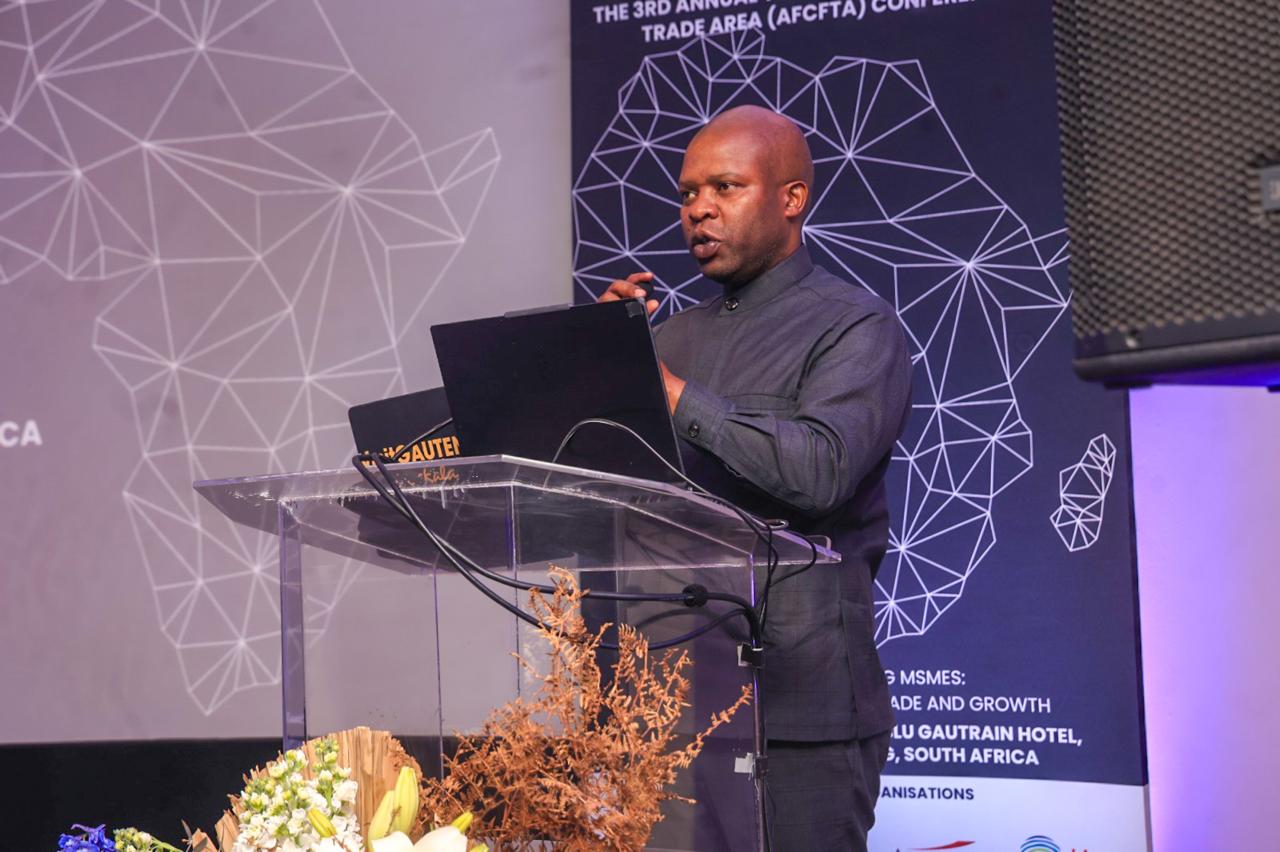
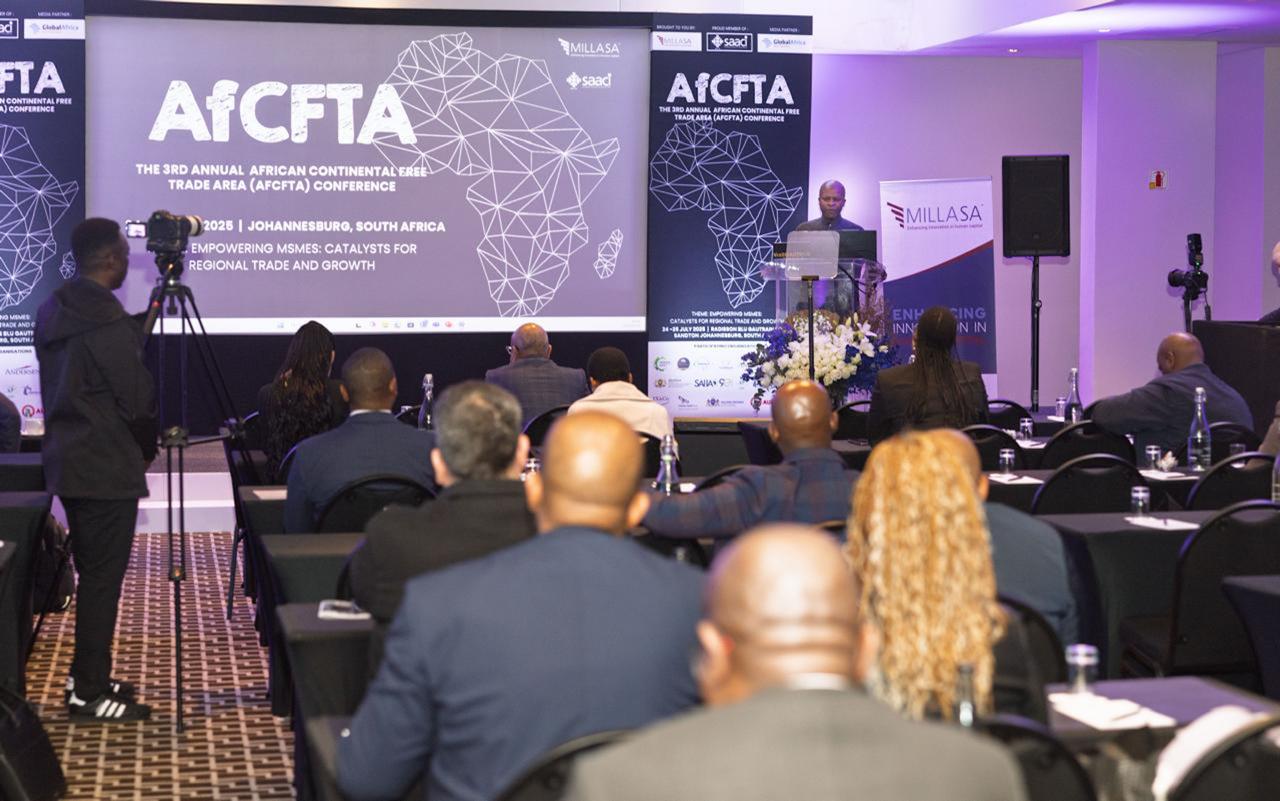
It is an honour and a privilege to stand before you this morning on this occasion of the 3rd Annual African Continental Free Trade Area Conference. This event is taking place during a very important month in the South African and global calendar.
The month of July marks Mandela Month, a time to honour and celebrate the legacy of the founding father of South Africa’s democracy, Tata Nelson Mandela.
Last Friday, the 18th of July, marked Nelson Mandela International Day. The day was officially declared by the United Nations in November 2009, with the first UN Mandela Day held on the 18th of July 2010. Not only does the day recognise the contributions to the culture of peace and freedom of one of the greatest statemen in world history, but it offers all of us an opportunity to reflect on his legacy in relation to the ideal for a united Africa.
While Mandela has correctly been characterised as a nationalist, he was not, by any definition, a narrow nationalist. He was not invested only in the liberation of South Africa, but continuously emphasised that the struggle for liberation was not for the entire continent, and believed that African countries had to work together to achieve the ideal of independence and freedom.
This principle of African cooperation was a defining feature of Tata Mandela’s political outlook. It was informed by his own experiences as a recipient of support from frontline states and other countries on the continent. Just as he received support, training and shelter by his African peers, so too did he utilise his position to try bring peace to regions affected by war and civil unrest.
As the chair of the Southern African Development Community (SADC) in 1997, Tata Mandela advanced the consolidation of the organisation and the inclusion of other countries for better regional development. He maintained this stance in the then Organisation of African Unity (OAU), whose role and significance he had highlighted in a speech he delivered at the 26th Assembly of OAU Heads of State and Government in Addis Ababa, Ethiopia, in 1990 – years before the end of apartheid in South Africa.
And so, it is fitting that we gather today for the 3rd Annual African Continental Free Trade Area Conference here in Johannesburg, during Nelson Mandela Month.
Ladies and gentlemen, micro, small, and medium enterprises (MSMEs) represent the heartbeat of Africa’s economy. Across the continent, these enterprises generate the majority of employment, drive innovation, and offer critical goods and services that sustain communities. Here in South Africa, with an estimated turnover of over R5 trillion, the MSME sector accounts for 80% of the country’s workforce. There are approximately 3 million MSME entrepreneurs in South Africa, employing around 13.4 million people.
More than 2.5 million micro-enterprises make up the sector, with 72% operating informally. In light of the African Continental Free Trade Area (AfCFTA) – the largest free trade area in the world by the number of participating countries – MSMEs stand poised to become powerful catalysts for regional trade and economic growth.
Our responsibility as the Gauteng Provincial Government, and for all of us as stakeholders gathered here, is not only to explore the pivotal role of MSMEs in shaping Africa’s economic landscape, but to outline their opportunities and challenges under AfCFTA, and the strategies needed to harness their full potential for sustainable development.
In Africa, MSMEs operate across diverse sectors, from agriculture and manufacturing to services and digital innovation.
They drive local value addition, foster entrepreneurship, and serve as engines of social mobility, particularly for youth and women. The latest FinScope MSME South Africa 2024 Survey, launched a few months ago, highlights this point.
It found that in the South African context of high unemployment rates, particularly among the youth, 30% of MSME owners are 35 years old or younger. While this may be considered too low, given that 50% of the adult population are youth aged 16-35 years, and that this demographic constitute 60% of the unemployed population, it indicates the important role that the MSME sector can play in turning the tide of youth unemployment in a continent with the world’s youngest population.
MSMEs are vital for job creation, notably absorbing the continent’s rapidly growing workforce. Their size also allows them to adapt quickly to market needs and to experiment with new products and services, facilitating innovation and flexibility.
MSMEs also play a significant role in poverty reduction on the African continent. By offering livelihoods to millions, MSMEs play a direct role in reducing poverty and enhancing inclusive growth.
Programme director, in this context, the AfCFTA promises to reduce tariffs, eliminate barriers to intra-African trade, and stimulate industrialisation and investment.
It allows MSMEs to access a much larger market beyond their national borders, creating unprecedented opportunities for growth. In terms of value chain development, MSMEs can tap into regional value chains, supplying components, services, or finished goods across countries. This not only promises gross domestic product growth across the African Union, but also sets parameters for attracting investment in a depressed and
volatile global economy. A harmonised market environment makes African MSMEs more attractive to investors, both domestic and foreign, similar to the feat that the European Union has been able to achieve in growing its economies through market harmonisation. The integration of markets through AfCFTA empowers MSMEs to play a transformative role in regional trade. The key ways they act as catalysts include the enhancing of cross-border trade. MSMEs, often constrained by the limited size of local markets, can leverage AfCFTA to expand their reach. Reduced tariffs and simplified customs procedures lower the cost of doing business across borders. This enables MSMEs to diversify their customer base, mitigate risks, and benefit from economies of scale.
In addition to this, they act as catalysts in terms of driving innovation and competition.
Exposure to a broader market compels MSMEs to innovate and improve their competitiveness. This, in turn, stimulates higher quality standards, greater efficiency, and the adoption of new technologies. The heightened competition across the continent encourages MSMEs to differentiate their offerings and specialise in niche markets.
Additionally, they foster integration into regional value chains. The AfCFTA facilitates the creation of regional value chains, where MSMEs can serve as suppliers, assemblers, or
distributors. By collaborating with firms in other African countries, MSMEs can access raw materials, expertise, and markets otherwise beyond their reach. Such integration boosts industrialisation and intra-African trade, which is still concerningly low.
Intra-African trade still represents a relatively small portion of Africa’s overall global trade. In 2022, a year after the implementation of the AfCFTA, it reached $102 billion, but only accounted for 15% of Africa’s total trade. However, in 2024, intra-African trade reached $208 billion, representing a 7.7% increase compared to the previous year.
This growth is largely attributed to the implementation of the AfCFTA and improved trade policies. It gives us an indication of what is possible.
The final key catalyst of MSMEs in the context of the AfCFTA is the promotion of inclusive economic growth, which I have alluded to. MSMEs are often owned or led by women and youth.
Their participation in regional trade under AfCFTA ensures that the benefits of integration are broadly shared. This inclusivity promotes equitable development and reduces inequalities within and between countries.
Ladies and gentlemen, there are many opportunities for MSMEs under the AfCFTA. We can agree that the AfCFTA creates a fertile environment for MSMEs to thrive, offering
opportunities such as access to new markets, an improved business environment, technology and knowledge transfer, and finance and investment. But despite these opportunities, MSMEs face significant hurdles that threaten to limit their ability to capitalise on AfCFTA.
Some of these key challenges include lack of information. Many MSMEs, particularly in contexts like South Africa where they operate mainly in the informal economy, are unaware of the benefits, procedures, and regulatory requirements under AfCFTA.
Another key issue is inadequate access to finance: MSMEs often struggle with limited collateral, high interest rates, and insufficient financial products tailored to their needs.
Poor infrastructure is also a significant impediment. Deficiencies in transport, energy, and digital connectivity hinder cross-border business operations.
The complex regulatory environment in many countries is also a major concern. Inconsistent standards, licensing, and trade procedures across our countries create administrative burdens. And finally, but not insignificantly, are the capacity constraints that confront many enterprises.
Limited managerial skills, outdated technology, and inadequate market research impede MSME competitiveness. To ensure that MSMEs become true catalysts for regional trade and growth under AfCFTA, coordinated efforts are required from governments, the private sector, and development partners.
As the Gauteng Provincial Government, we have sought to respond to the outlined challenges through a myriad of interventions including capacity building and skills development.
Training programs focused on business management, digital literacy, and export readiness can empower MSMEs to compete regionally.
Support structures such as incubators and accelerators are being expanded across the province, with a focus on townships and historically disadvantaged communities.
To address the very significant challenge of limited access to finance and credit facilities, we are working with the private sector, and particularly banks, to develop innovative financial products, guarantee schemes, and support for fintech solutions to unlock capital for MSMEs. In the recently tabled Budget Speech of the Gauteng ProvincialGovernment, we communicated the injection of tens of billions of Rands that will be used as credit to unlock funding for MSMEs. Our aim is to facilitate the prioritising of MSME-friendly lending.
Infrastructure development is also a key intervention for us. Investment in roads, ports, logistics, and digital infrastructure is vital for seamless regional trade.
Special economic zones and industrial parks tailored to MSMEs can provide affordable facilities. In the Gauteng Province, we are aligning with national infrastructure financing reforms.
This includes simplified Public Private Partnership regulations and an expanded Budget Facility for Infrastructure, blended private and public financing, and strengthening project preparation to ensure that future infrastructure rollouts remain on schedule and within budget.
Linked to this is our efforts at ensuring regulatory simplification and harmonisation, which the national government of South Africa has correctly identified as a significant barrier. Streamlining customs procedures, standardising product regulations, and creating pan-African platforms for business registration will reduce administrative barriers.
The president of the Republic, His Excellency Cyril Ramaphosa, has appointed a dedicated team in The Presidency to work on improving the business environment. This red tape reduction team has taken a collaborative approach to help businesses to grow, working with departments and agencies to make it easier to do business. This is a necessary intervention that is needed across the continent if the AfCFTA is to bear fruit.
Programme director, other important solutions include the development of digital trade portals, market intelligence platforms, and trade fairs that can inform MSMEs about
opportunities and requirements under AfCFTA. Linked to this must be the fostering of regional collaboration. Cross-country business networks, trade associations, and public-private partnerships can facilitate MSME integration into regional value chains.
And finally, the Gauteng Provincial Government is also promoting digitisation and e- commerce for MSMEs. We believe in the value of encouraging MSMEs to adopt digital tools, including e-commerce and mobile payment systems, as these will enable them to access regional and global markets more effectively.
Ladies and gentlemen, I wish to conclude by emphasising that MSMEs hold the key to Africa’s successful economic integration and sustainable growth under AfCFTA.
Their agility, innovation, and deep roots within communities make them uniquely positioned to drive intra-African trade, generate employment, and foster inclusive development. While challenges remain – from finance and infrastructure to regulatory complexities – the opportunities are vast for those MSMEs that can adapt, leverage new markets, and integrate into regional value chains.
Governments, financiers, and development partners must come together to remove obstacles and provide the enabling environment MSMEs need to flourish. In doing so, Africa can unlock the full promise of the AfCFTA, transforming its economies and securing prosperity for generations to come.
SUPPLIED.