


Practical money moves that build long-term financial confidence
January often arrives with a list of familiar resolutions: to exercise more, eat better, and learn a new skill. Clear money goals matter because a vague once such as “save more” can easily get lost in the ‘new me’ sauce.
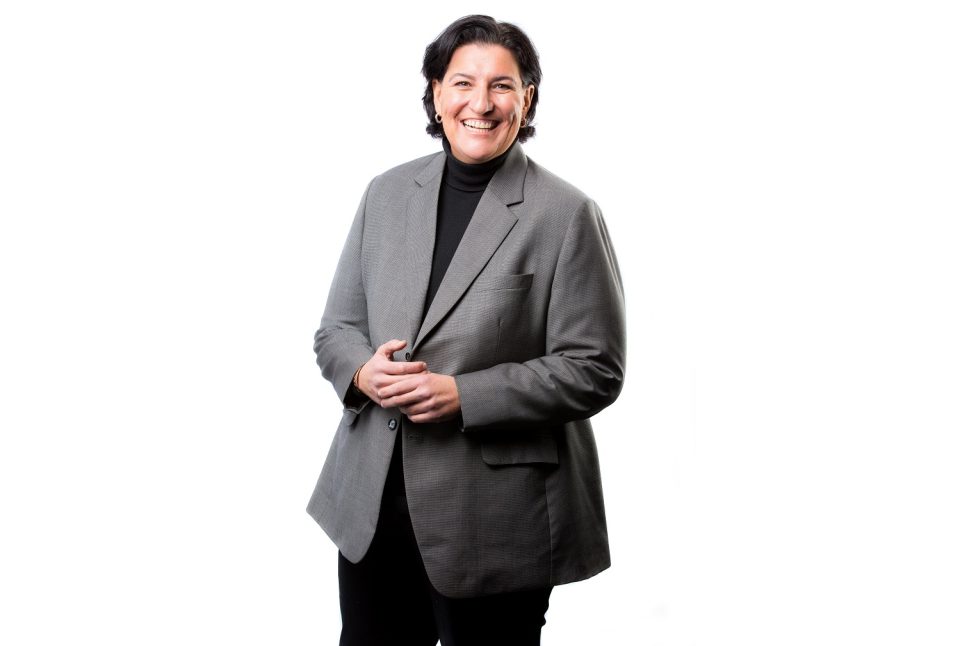
According to Ester Ochse, Product Head at FNB Integrated Advice, this is exactly where many South Africans miss the opportunity to build lasting financial security and confidence. “Money goals need the same level of intention as any other resolution,” she says. “When goals are specific, realistic, and tracked consistently, they become far easier to achieve.”
The key to making 2026 your money year is starting with clarity: knowing exactly where you stand financially before setting goals that are practical and achievable.
Step one: Know your spending
Before drawing up a budget, it’s important to understand your current financial habits. Reviewing your bank statements regularly or using digital tools that categorise spending automatically can highlight leaks such as frequent takeaways or impulse purchases. Tools like the FNB Banking App’s Track My Spend give customers a clear view of where their money is going, making it easier to adjust budgets and allocate funds wisely.
Step two: List your debt
Debt plays a major role in overall financial health. Ochse recommends listing every debt obligation, from home loans and vehicle finance to store cards and personal loans.
“Write down the outstanding balance, interest rate, debit order date and monthly instalment for each account,” she says. “Once everything is in one place, it becomes much easier to prioritise which debt needs attention first, especially high-interest unsecured debt.”
Step three: Build an emergency fund
Unexpected expenses are part of life, whether it’s a damaged tyre, or an unplanned medical bill. Setting aside between one-and three-months income in an accessible account provides breathing room and prevents short-term shocks from turning into long-term debt. Even small, regular contributions add up over time.
Step four: Protect your family
Financial protection ensures your household is secure if life takes an unexpected turn. That means having a valid Will, adequate life and disability cover, and keeping beneficiaries up to date. Review these financial commitments every five years or after major life events such as marriage, divorce or the birth of a child.
Step five: Plan for retirement
Retirement planning remains one of the biggest financial gaps for many South Africans. According to the FNB Retirement Insights Survey 2025, less than 10% can afford to retire comfortably.
Starting early and contributing consistently, whether through an employer fund, retirement annuity or a Tax-Free Savings Account – has a powerful compounding effect. For example, even R200 a month from age 25 could grow to more than R400,000 by age 65, assuming modest growth. Waiting until 40 means you’d need to contribute more than double that amount to reach the same outcome.
“The lesson is clear: time is your greatest asset. Whatever you can afford to put away, even small
amounts, will grow meaningfully over the decades.”
Once you have a clear picture of your financial position, Ochse says you can set goals for your 2026 financial self. “A realistic budget frees up cash for the right priorities: reduce expensive debt while starting a basic emergency fund, then direct funds towards protection, retirement and longer-term savings.”
Progress doesn’t have to be complicated. Simple actions can create momentum and reinforce positive financial habits:
- Draft, sign or update your Will
- Check and keep track of your credit score
- Set up a savings goal
- Automate transfers to pay down high-interest debt
Most of these steps can be taken directly on the FNB Banking App. But the key is discipline and consistency.
Financial change isn’t just about knowledge – it’s about habits. Build routines, track your progress, celebrate wins, and share your goals with someone you trust. “Small, repeated actions build stability over time, “concludes Ochse. “If you stay committed, 2026 can be the year your money starts working harder for you.”
SUPPLIED.