

Many South Africans believe they are “on track” for retirement. They’re saving something. They belong to an employer fund. They have a plan – or at least, they think they do.
Yet the reality tells a very different story.
Insights from FNB’s 2025 Retirement Survey reveal a striking confidence gap. While around 60% of respondents say they have a retirement plan, and about 80% of those believe they are on track, a closer look tells another story.
According to Samkelo Zwane, Product Head at FNB Wealth and Investments, only around 25% of those who believe they have a plan actually hold a retirement annuity. Many rely primarily on bank deposits or employer pension funds, without a clear understanding of whether these will be enough.

The outcome is sobering: only about 10% of South Africans retire comfortably, with enough income to cover their basic needs. The remaining 90% do not. This disconnect is what FNB experts describe as the confidence illusion – a sense of preparedness built on participation rather than understanding.
When saving something feels like saving enough
For many people, having a product has become synonymous with having a plan. Contributing to a fund becomes a box-ticking exercise, instead of a decision grounded in realistic assessment.
But retirement planning is not just about whether you are saving. It is about whether what you are saving will realistically support the life you expect to live later on.
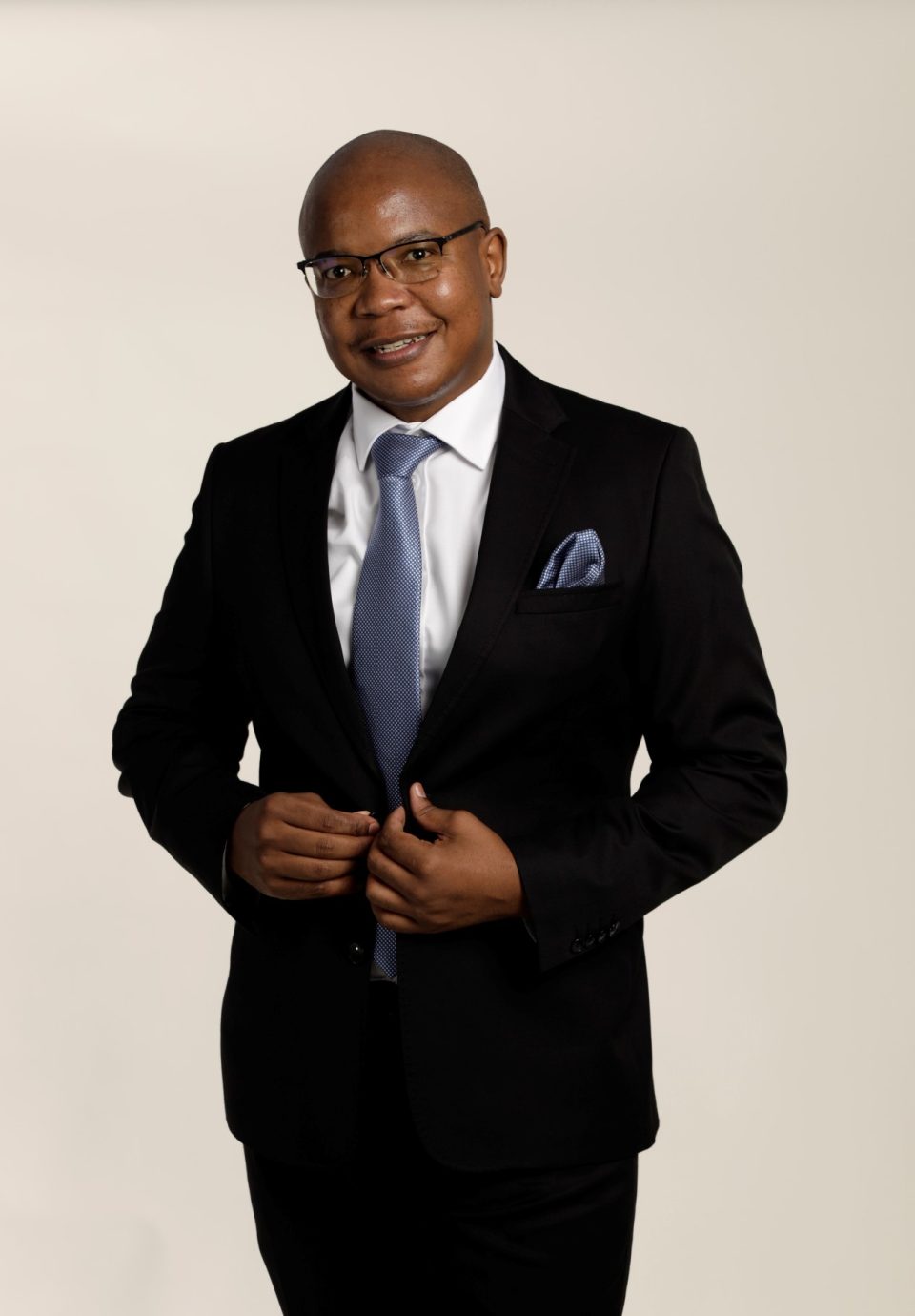
Bheki Mkhize, CEO of FNB Wealth and Investments, notes that although awareness around retirement has improved, a significant gap remains between perceived readiness and actual readiness. People may feel informed, but many are not yet translating that information into the right actions.
Plans are often built on outdated assumptions – that retirement will be cheaper, that expenses will fall sharply or that healthcare costs will remain manageable. In reality, retirees often face rising medical aid costs, escalating insurance premiums and living expenses that grow faster than headline inflation.
For those already in retirement, the gap between expectation and reality becomes painfully clear.
Why confidence falls with age
One of the most revealing findings from the survey is that people already in retirement tend to be less confident about their financial readiness than those still working. Younger respondents are often optimistic. Older respondents are more realistic.
Renee Caughlan, Product Portfolio Manager at FNB Wealth and Investments, highlights the lived reality of South Africans over 60. Retirement income frequently fails to keep pace with escalating day-to-day costs. Essentials such as groceries, fuel, medical aid and insurance often rise faster than inflation, leaving retirees feeling as though their finances are a constant “moving target”.
There is also growing pressure from multi-generational support. Many retirees continue to support adult children and even grandchildren – a responsibility that can significantly strain retirement income in ways people rarely anticipate earlier in life. In short, confidence drops because reality becomes clearer. And many children are having to support parents living in retirement villages/ frail or assisted living care and additional medical expenses that were not factored into their personal budgets.
Sleepwalking into retirement
Another common pattern is passive planning – the belief that being part of an employer fund is “enough”, without understanding contribution levels, investment choices or long-term needs.
Ester Ochse, Product Head of Integrated Advice at FNB, cautions that simply owning a retirement product does not mean you are on track. Small contributions help, but they may not close the gap if you haven’t worked backwards from the lifestyle you want, the costs you are likely to face particularly healthcare and the income required to sustain it.
She also warns against relying on unsuitable vehicles for long‑term saving. Cash and fixed deposits may feel safe, but inflation steadily erodes their value over decades, especially as retirement is now lasting far longer than many people expect.
The FNB Retirement Insights Survey further shows that those who tend to retire comfortably take a multi‑dimensional approach to retirement planning:
- they use regulated savings vehicles such as retirement annuities,
- they leverage property either selling it in retirement to supplement savings or generating rental income, and
- they build or maintain businesses that can provide additional retirement income.
Retirement planning is emotional – not just financial
Retirement is not only a financial challenge; it is a psychological one.
People worry about whether they are saving enough, whether they are using the right products, and what happens when life changes – job moves, family responsibilities or unexpected expenses.
What consistently reduces anxiety is clarity: understanding the numbers, reviewing plans regularly and having access to guidance that translates complexity into practical steps. The pattern is clear: when people engage earlier and more intentionally, they gain control, and outcomes improve.
Those with limited access to advice and education experience the highest anxiety. Conversely, individuals who engage early, avoid cashing out when changing jobs and review their plans regularly tend to feel more confident, and achieve better outcomes. The message is simple: confidence should come from clarity, not hope.
A wake-up call, not a warning
This is not alarmism. It is realism.
Retirement is no longer a short, quiet phase at the end of life. People are living longer, staying active longer and often continuing to work, consult or build additional income streams. This reality demands better planning – earlier, more intentionally and reviewed more often.
Small, consistent changes can have a meaningful impact over time, but only if people confront the real cost of retirement early enough to act.
The uncomfortable truth is this: retirement does not become cheaper because we ignore it, it becomes more expensive.
And the real question remains:
Do you know what you will need in retirement – and are you truly on track to get there?
SUPPLIED.