

Extraordinary strengthens its conservation-led guiding standards through immersive Kruger training
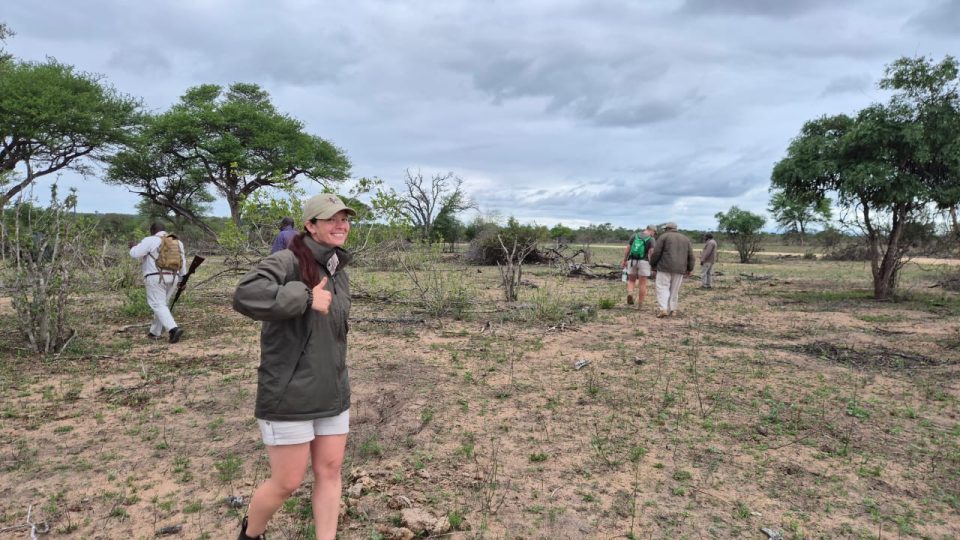
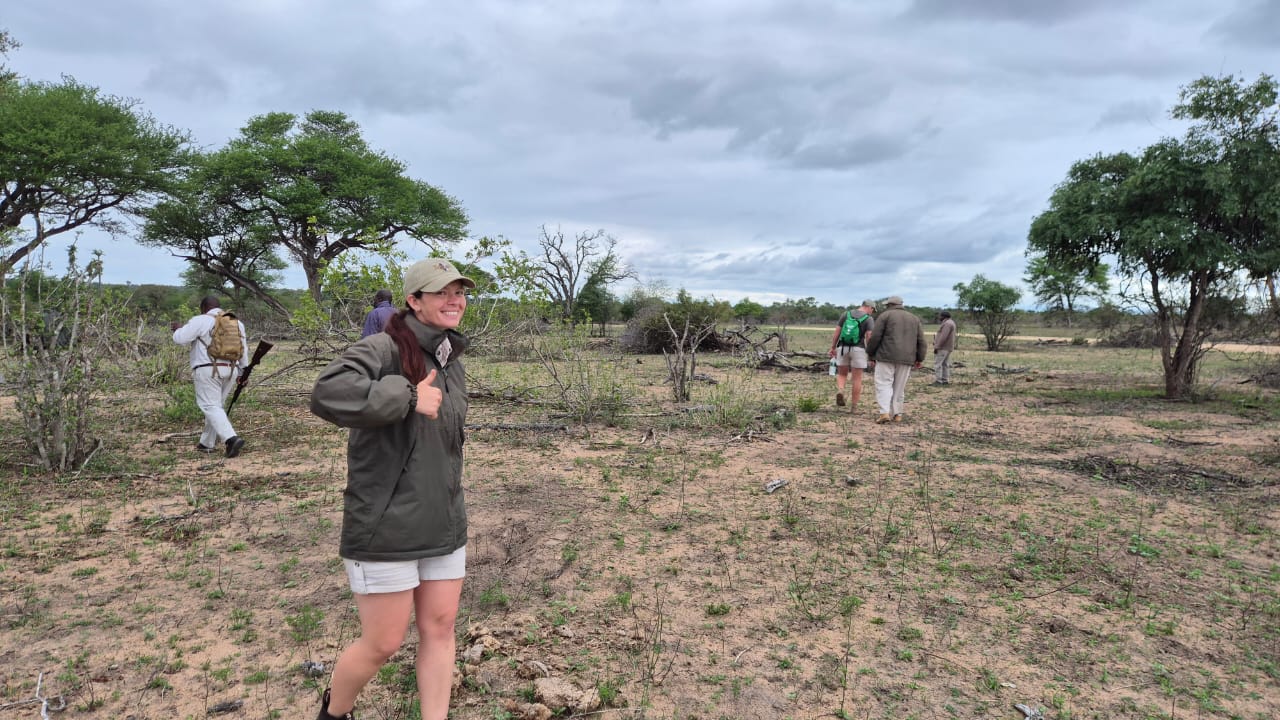
Tracking and trailing is far more than an age-old bushcraft – it remains one of the most valuable conservation tools in Africa’s protected areas today. Extraordinary recently hosted an intensive five-day Tracking and Trailing course on one of its private concessions inside the Kruger National Park, sharpening the field skills of its guides and reinforcing the company’s commitment to responsible, conservation-driven safari experiences.
Held in one of the world’s most iconic wildlife destinations, the course placed guides in real, uncontrolled conditions where they could study fresh spoor, interpret behaviour, and follow wildlife movements exactly as they unfold in nature. The goal? To equip guides with the skills they need to protect wildlife, enrich guest experiences, and uphold world-class guiding standards.
Conservation at the Heart of Guiding
While the training undoubtedly strengthens guiding ability, its conservation value is equally significant.
“Guides are often the first people to pick up when something isn’t right in the bush,” says Mark Montgomery, Concession Manager. “A track that looks slightly off, an animal moving differently, a set of signs where they shouldn’t be – those observations matter. Strengthening traditional tracking skills helps our teams respond earlier and more accurately, which ultimately supports wildlife protection.”
These skills also reduce unnecessary pressure on animals. By understanding behaviour and movement, guides can anticipate where wildlife is heading, maintain respectful distances, and ensure sightings that are calmer and safer for both animals and guests.
A Course Built for the Real World
Days began at sunrise with a short briefing before the group set off on foot. From there, the bush dictated the pace. Distances of 21–30 km were common, often in temperatures pushing 37°C. Guides spent more than ten hours in the field with minimal food and water – not as a test of endurance, but to stay focused, light, and completely tuned into the environment.
Throughout the week, the team worked on spoor identification, aging tracks, trailing techniques, and reading the small but telling signs most people never notice: the angle of a blade of grass, a scuffed stone, the faintest drag mark. These subtle details reveal what happened minutes – or even seconds – earlier.
A moment that brought the skills to life
One standout moment came when the team followed a set of fresh buffalo tracks for several kilometres. The trailing exercise demanded patience and teamwork, eventually leading them to the herd – with a pride of lions following the same spoor not far behind. For many, it was a powerful reminder that the bush is always telling a story, if you know how to read it.
Building Stronger Teams
The demanding conditions brought the team closer together. Long distances, heat, and the need for total concentration created a strong sense of camaraderie, strengthening the communication and trust that carry directly into the guiding experience at the lodges.
“Our guides returned with a deeper respect for the landscape and for each other. It’s the kind of training that stays with you.”
Skills that Shape Exceptional Safaris
Guests visiting Extraordinary’s properties benefit from guides who can track with greater accuracy, interpret the bush more intuitively, and facilitate wildlife encounters rooted in respect and responsible practice.
But the impact reaches far beyond tourism.
“Every track tells a story,” Montgomery concludes. “When a guide can read that story, they’re able to protect wildlife, educate guests, and contribute to the long-term sustainability of our wilderness areas.”
For Extraordinary, the course forms part of an ongoing commitment to investing in its people and safeguarding the landscapes they work in – a reminder that even in a modern safari world, the oldest skills remain among the most essential.
SUPPLIED.