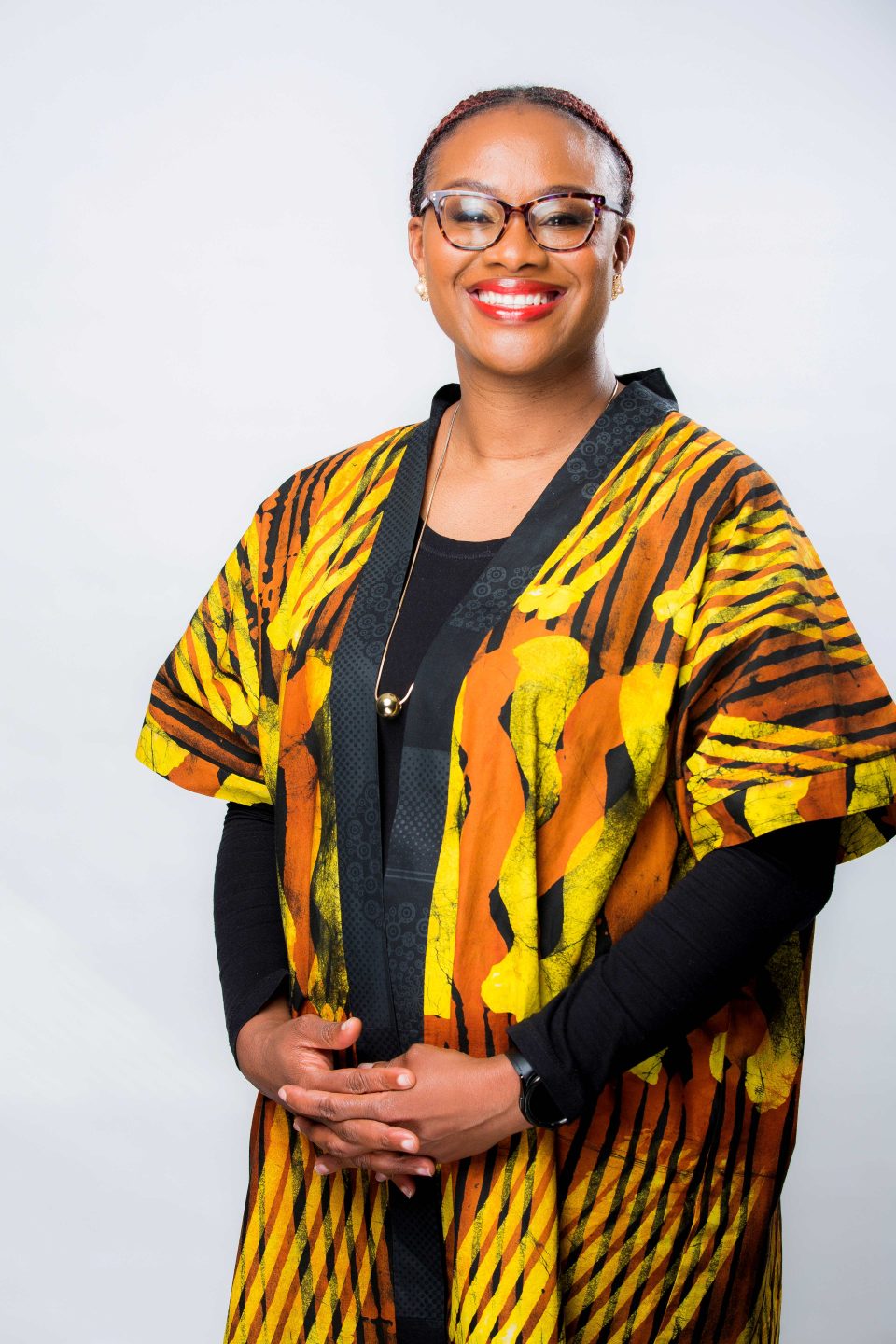
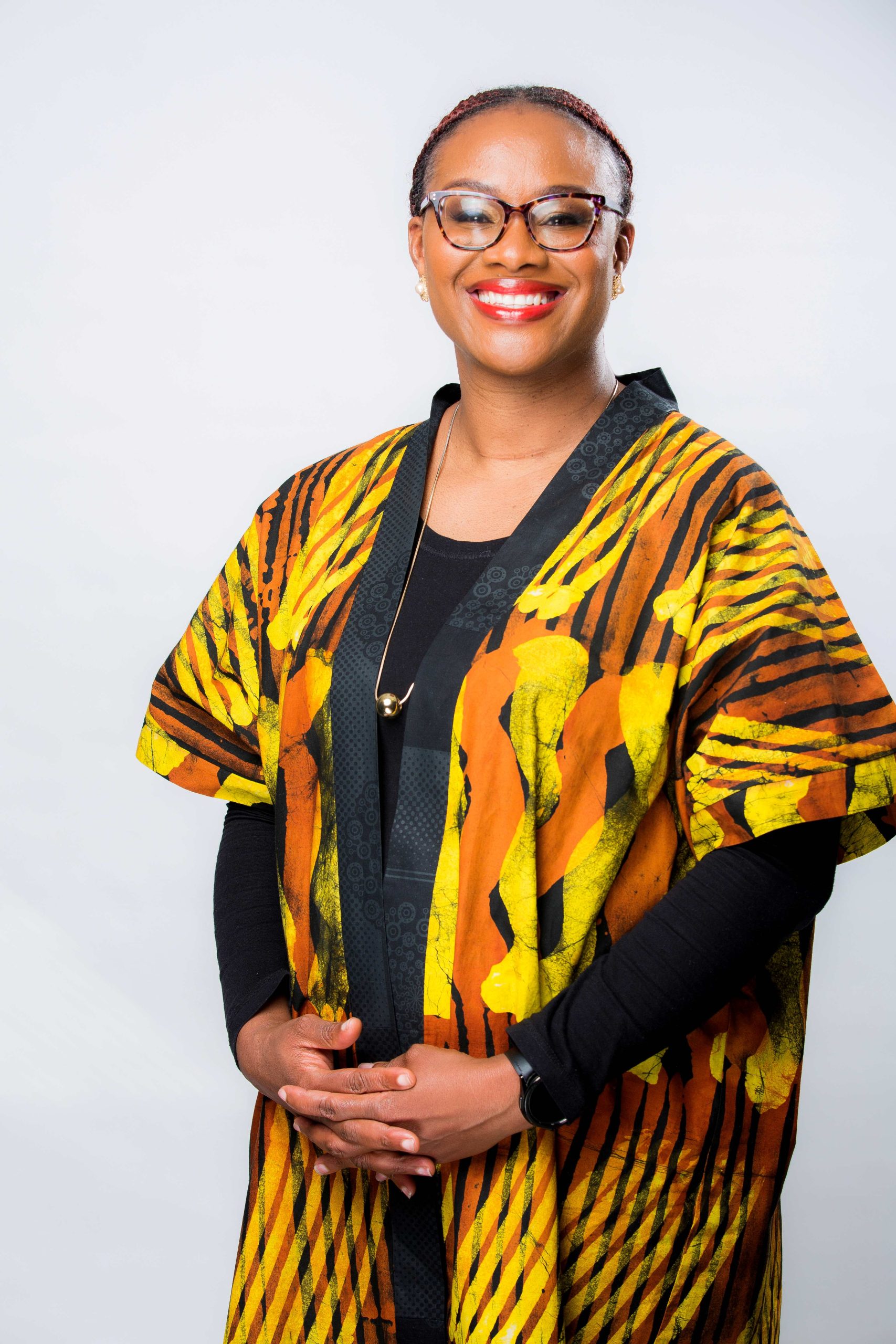
Dr Onyinye Nwaneri
Have you ever walked past a group of people deep in conversation in their mother tongue? Voices rise. Hands move animatedly. Emotions hang thick in the air while facts are passionately exchanged. To someone passing by, it may sound as though a fight is about to break out. But it is not conflict, it is connection. It is people fully expressing themselves in the language that shaped their thoughts, their humour, their memories and their dreams.
That powerful expression of identity and belonging is what we commemorate on International Mother Language Day, an initiative led by UNESCO to promote linguistic and cultural diversity, multilingualism and mother-tongue-based education. The day reminds us that languages are far more than tools for communication. They carry culture, heritage and knowledge across generations.
For South Africa, this reality carries weight. Ours is a country proudly shaped by 11 official languages, each one reflecting a distinct history, worldview and way of being. If languages are disappearing globally, then our responsibility locally is clear, we must nurture our individuality by embracing and elevating all our languages, not allowing any to be sidelined or diminished. In doing so, we protect not only words, but identity itself. From the very beginning of life, language anchors us. As babies, the home language is the one we grow up hearing long before we understand grammar or rules. It is the language of comfort, of lullabies, of first stories and first questions. It shapes how we make sense of the world. It is therefore only logical that when children begin formal schooling, they first learn in the language that already carries meaning for them.
At Sesame Workshop International South Africa, we see every day how transformative it is when children are taught in the language, they understand best. Learning in one’s mother tongue allows children to grasp complex concepts more confidently and engage more meaningfully with ideas. It gives them the space to question, imagine and problem-solve. That is why we have embraced broadcasting in multiple South African languages, because our goal is simple and unwavering: to help children grow smarter, stronger and kinder in a language that feels like home. The conversation about language in education has become even more urgent in light of recent matric results. Too often, learners struggle in subjects such as mathematics and physical sciences not because they lack intelligence or ability, but because the language of instruction becomes a barrier. When a child must first decode unfamiliar vocabulary before understanding the lesson itself, learning becomes unnecessarily difficult.
There is no denying that English carries important advantages. It enables communication across cultures and communities. It opens doors to higher education, employment and entrepreneurship. It supports young people as they transition from high school to university, from interviews to careers, from local opportunities to global platforms. However, acknowledging the value of English should not mean overlooking the foundational importance of home languages. Across classrooms in South Africa, many children struggle not because they lack potential, but because they are required to learn in a language they have not yet mastered. In many township schools, educators already recognise this reality. Teaching in vernacular in the early grades is not simply a cultural preference, it is a practical response to how children learn best. Learners are often taught in their home language during the Foundation Phase, giving them the confidence to grasp concepts before gradually transitioning to additional languages.
Young children learn best in the language they use to think, play, argue and dream. When the language of teaching differs from the language of understanding, learning becomes a challenge from the very beginning. South Africa’s education policy recognises this by supporting home language learning and additive bilingualism in the early grades, strengthening foundations first before introducing additional languages. Evidence from across Africa shows that children who learn to read in their mother tongue develop stronger literacy skills and are better equipped to acquire English later. African languages often carry meaning through word structure rather than isolated letter sounds. This means early literacy instruction must move beyond phonics alone. Studies from South African classrooms demonstrate that children rely heavily on morphological awareness, understanding how words are built and what their parts mean, when learning to read.
When teaching relies too heavily on models designed for English-speaking contexts, it risks overlooking how African children naturally make sense of language and text. The most effective literacy instruction in Early Childhood Development centres and Foundation Phase classrooms brings together sounds, meaning and word structure, all grounded in the child’s home language. Supporting mother tongue learning in the early years is not about lowering expectations. It is about levelling the playing field. It is about giving children, particularly those already facing inequality, a fair opportunity to succeed.
Strong reading, writing and communication skills develop when children are not constantly translating in their minds, but are free to think and express themselves clearly. Bilingual mother tongue instruction makes this possible. It anchors learning in what is familiar while intentionally introducing an additional language. In doing so, English does not lose its value, it becomes stronger because children approach it as confident readers and communicators.
As we mark International Mother Language Day, we are reminded that we do not have to choose between opportunity and identity. We can honour the promise of English while protecting and strengthening bilingual mother tongue education as the most solid foundation for equity, academic success and long-term development.
The message from early classrooms is clear and compelling: when children understand the language of learning, learning truly takes flight.
About Sesame Workshop International South Africa
Sesame Workshop International South Africa is the impact nonprofit whose mission is to help children everywhere to be stronger, smarter, and kinder. For over 25 years, we have worked at the intersection of education, media, and research, creating joyful experiences that enrich minds and expand hearts, all in the service of empowering each generation to build a better world.
Our beloved characters, iconic shows, direct services, and outreach in communities bring playful early learning to children in the context of all the ecosystem partners (families, parents, ECD Centers, educational institutions etc.) that enable them to be the best they can be. Takalani Sesame, the South African adaptation of Sesame Street launched in 2000 and has impacted millions of young lives to date.
Follow Sesame Workshop International South Africa and Takalani Sesame on LinkedIn, Facebook, X, Instagram, YouTube and via the website.
Dr Onyinye Nwaneri, Managing Director of Sesame Workshop South Africa. She writes in her own capacity.