

Chris Coetzee
July is National Savings Month, a time dedicated to raising awareness about the importance of saving and adopting sound financial habits. With rising living costs and ongoing economic uncertainty, many individuals are finding it increasingly difficult to save.
South Africa’s Personal Savings Crisis
According to 2025 Economic Insights by Nedbank, the personal savings rate remains negative at approximately -1.2%, with several key factors contributing to this trend. Real disposable income growth has slowed to just 0.4%, the household debt-to-income ratio has risen to 62.7%, and consumers remain cautious due to prevailing economic challenges. However, there are signs of resilience in consumer behaviour. Data from Statistics South Africa shows that consumer spending was stronger in April, with retail trade recording its fourteenth consecutive month of positive year-on-year growth.
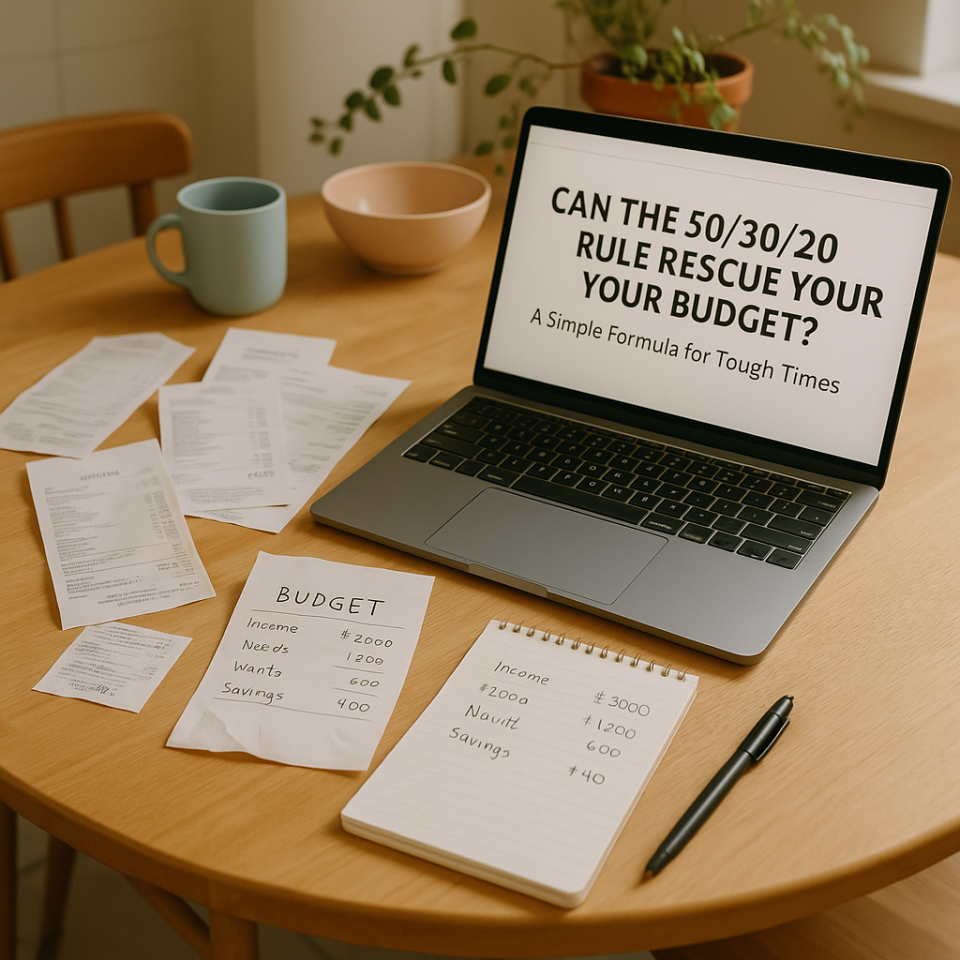
These statistics highlight the urgent need for practical tools to help individuals regain control of their finances. One such tool is the 50/30/20 budgeting rule, a simple yet effective framework that provides clear guidance on managing money, reducing debt, and building a foundation for future savings.
Breaking the Debt Cycle with a Practical Framework
The 50/30/20 rule is a widely recognised budgeting method that divides income into three distinct categories. The first category, which accounts for 50% of the income allocated to needs. This includes essential expenses that are necessary for daily living, such as rent or bond repayments, utilities, groceries, transportation, and medical aid. By ensuring that these expenses do not exceed half of one’s income, individuals can avoid allowing necessities to dominate their budgets. The second category, which represents 30% of income, is reserved for wants. This allocation covers discretionary spending, expenses that enhance quality of life but are not strictly necessary. Examples include dining out, entertainment, gym memberships, and hobbies. Setting aside 30% for wants ensures that there is room for enjoyment while maintaining financial discipline.
The final category, accounting for 20% of income, is dedicated to savings and debt repayment. This portion should be used to pay off high-interest debts, contribute to an emergency fund, or invest in retirement savings. For those burdened by debt, prioritising repayment is critical before focusing on long-term savings.
Building Financial Discipline
While the proposed budgeting rule offers a powerful framework for financial management, its true impact lies in consistent application and behavioural discipline. To make this method work in real-life context, especially during times of economic strain, consumers must adopt intentional practices that embed the rule into their daily financial habits.
- Track Your Spending Relentlessly
Start by gaining full visibility into where your money goes. Use budgeting apps or spreadsheets to track every expense for at least one month. This will help you categorise your spending accurately and identify areas where adjustments are needed. - Automate Your Budget Allocations
One of the most effective strategies is automation. Set up scheduled transfers to separate accounts immediately after your income is deposited. Automation removes the temptation to overspend and reinforces habit formation. - Periodically Reassess Your “Needs” and “Wants”
Financial priorities shift over time. What once felt like a need may now be a luxury. Regularly review your expenses and adjust your definitions of needs vs. wants. - Build an Emergency Buffer First
Before aggressively pursuing long-term investments, focus on building a three- to six-month emergency fund within your 20% allocation. This buffer protects you from financial shocks, such as medical emergencies, job loss, or unexpected repairs, without derailing your budgeting efforts. - Practice ‘Conscious Spending’
The 30% allocated to wants shouldn’t be a free-for-all. Practice conscious spending by aligning discretionary expenses with your values. Spend on experiences or purchases that bring lasting fulfilment, not just temporary gratification. - Start Small but Stay Consistent
If allocating 20% to savings and debt repayment feels daunting at first, start with what’s manageable and build up incrementally. The key is consistency. Even 5% saved regularly creates momentum and cultivates a habit of prioritising financial wellness.
Chris Coetzee, CEO of FinFix. He writes in his personal capacity.