Celebrating International Sign Language Day with voices that matter
As the world marks International Sign Language Day on 23 September, Newzroom Afrika is shining a spotlight on the critical role of Sign Language interpreters in bringing Deaf audiences into the heart of the national conversation.
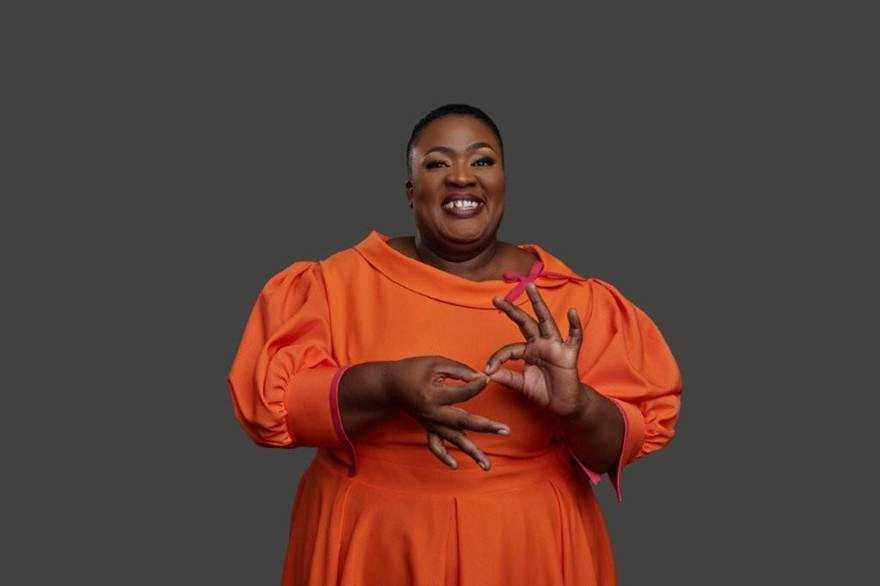
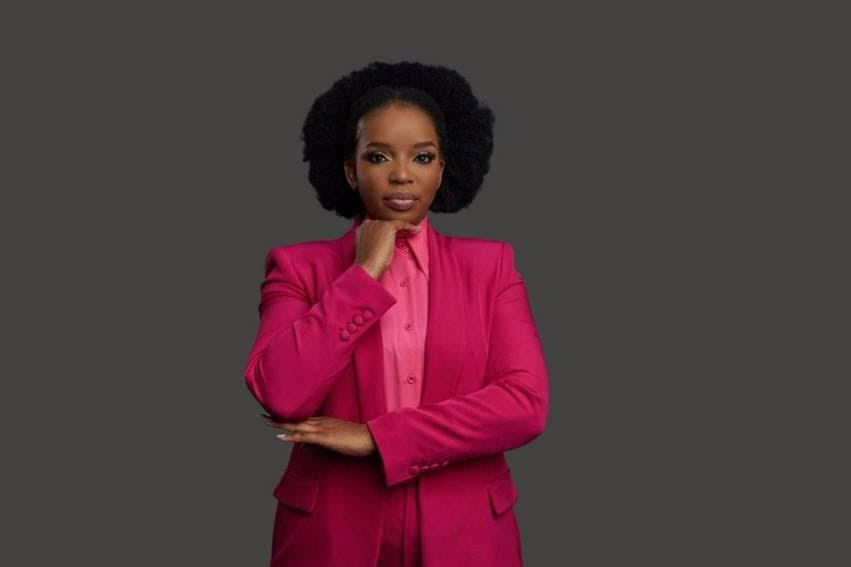
Two Sign Language interpreters, Pumza Sikumba and Khetha Mbatha from Izindaba Zethu and indaba Zethu, isiZulu and isiXhosa news bulletins, on DStv channel 163, powered by Newzroom Afrika, share why their work goes beyond interpreting. It is about creating access, amplifying voices, and ensuring Deaf audiences receive the news in the language that speaks to their community.
South African Sign Language (SASL) is rich with regional and cultural variations, much like spoken languages. Having interpreters across different channels helps ensure that Deaf viewers from diverse communities are represented and correctly signed to, making news truly inclusive.
Yet despite the official recognition of SASL in 2023, the Deaf community continues to face daily challenges. Many learners are still taught by teachers who cannot sign fluently, limiting education outcomes. Access to healthcare, justice, and employment is often hindered by the lack of qualified interpreters and lingering stigma, while news and emergency broadcasts are not always fully accessible. These barriers keep the community on the margins of national life, making the role of interpreters on mainstream platforms all the more vital.
For Sikumba, interpreting for Iindaba Zethu is more than a job.
“Newzroom Afrika is a newsroom that doesn’t just report the news; it opens doors. Its bold commitment to inclusivity and telling South African stories in African languages, including South African Sign Language, excites me. Every bulletin is a chance to innovate and to show that accessibility can be dynamic and news-breaking,” she says.
Her career highlight came when interpreting at the World Federation of the Deaf Congress, where her work was recognised internationally:
“Seeing Deaf people from across the globe engage with and appreciate my interpreting was unforgettable. It affirmed that South African Sign Language has a powerful place on the world stage.”
Mbatha, who works with Izindaba Zethu (DStv channel 163), echoes the importance of accessibility and inclusion:
“From the moment you walk into Newzroom Afrika sister station, there’s a vibrant energy and real sense of belonging. For me, it’s not just about delivering news—it’s about creating access and amplifying the voices of communities too often left behind.”
Reflecting on her career highlights, Mbatha points to interpreting crucial COVID-19 presidential updates and mentoring students at her alma mater, the University of the Free State.
“Knowing that my work gave Deaf viewers access to life-saving information was truly fulfilling,” she adds.
Both interpreters emphasise that interpreting is often misunderstood. It is not a simple word-for-word exchange, but a process involving culture, context, precision, and empathy. They also stress the importance of commemorating International Sign Language Day.
“Recognition affirms that sign language is a fully-fledged language and part of South Africa’s diversity, yet Deaf people still face barriers daily,” says Sikumba. “Marking this day is not symbolic; it’s a call to action to ensure recognition translates into real equality.”
Mbatha agrees: “Accessibility is not a privilege; it’s a right. Commemorating sign language breaks down barriers, fosters inclusion, and keeps Deaf people visible, valued, and empowered.”
Newzroom Afrika remains committed to inclusivity and accessibility, ensuring that Deaf audiences are not left out of the national conversation, but are an integral part of it.
Ends.
For the latest from Izindaba Zethu and Iindaba Zethu, follow us on:
X: @IindabaZethu / @IzindabaZethu
Facebook: @Izindaba_Zethu / @Iindaba Zethu
TikTok: @IindabaZethu / @IzindabaZethu
Instagram: @Izindaba_Zethu / @IindabaZethu1
Pumza Sikhumba, Newzroom Afrika news anchor interpreter
1. What excites you most about Newzroom Afrika / Iindaba Zethu / Izindaba Zethu and made you want to work for the channel and brand?
Newzroom Afrika is a newsroom that doesn’t just report the news it opens doors. What excites me is its bold commitment to inclusivity and to telling South African stories in African languages, including South African Sign Language. Working here allows me to merge journalism and interpreting in a way that brings Deaf audiences into the heart of the national conversation.
Every bulletin is a chance to innovate, to stretch my skills, and to show that accessibility can be dynamic and news-breaking.
2. What has been a personal career highlight for you thus far?
I’ve been blessed with many memorable moments, but one that still takes my breath away was interpreting at the World Federation of the Deaf Congress. Being surrounded by Deaf people from across the globe each using different sign languages and yet seeing them engage with and appreciate my work was unforgettable. That international recognition reminded me how powerful South African Sign Language is on the world stage and affirmed that the craft we practise here can resonate anywhere.
3. What is a common myth about your job or field of expertise?
Many people think interpreting is simply swapping words between languages. In reality, it’s a complex process that includes culture, context, and quick decision making to convey meaning accurately and respectfully.
4. What’s one lesson your job has taught you that you think everyone should learn at some point in their life?
True communication is about listening and understanding, not just speaking. Patience and empathy are essential if you want to connect with people from all walks of life.
5. How do you ensure that your interpreting is both accurate and culturally sensitive?
I research topics thoroughly, keep up with evolving Deaf community terminology, and consult with deaf colleagues to make sure the interpretation reflects both linguistic and cultural nuances.
6. How important is commemorating sign language in this day and age?
Recognition from the government affirms that sign language is a fully fledged language and an essential part of South Africa’s diversity yet Deaf people still face daily communication barriers.
Government events often feature unqualified interpreters, and far too many Deaf learners are taught by teachers who cannot sign fluently. Marking International Sign Language Day isn’t just symbolic; it’s a call to action to close those gaps, demand competence, and ensure that official recognition translates into real equality.
Khetha Mbatha, Izindaba Zethu news anchor interpreter
1. What excites you most about Newzroom Afrika/ Iindaba Zethu/ Izindaba Zethu and made you want to work for the channel and brand?
What excites me most is that from the moment you walk in, you’re welcomed by a vibrant energy—smiles, warmth, and a real sense of belonging. The channel has prioritised inclusivity from the start, ensuring access for the Deaf community while telling stories of people from all walks of life. These are truthful stories that resonate deeply and touch the hearts of our people. For me, it’s not just about delivering news—it’s about creating access and amplifying the voices of communities that are too often left behind.
2. What has been a personal career highlight for you thus far?
One of my proudest career moments was interpreting COVID-19 updates by the President and Ministers, ensuring Deaf community access to vital information. Providing real-time inclusion during live news coverage was a highlight, knowing it empowered Deaf viewers to stay safe. It was incredibly fulfilling. That sen
se of impact and inclusion was truly unmatched.
Another highlight was when my alma mater (University of the Free State) invited me to share my experiences with students, calling me “one of their good stories to tell.” I felt honoured to inspire and offer insights to those pursuing this career. It’s also rewarding to know that my feedback on their translation scripts has been helpful, with students appreciating my thorough comments. Hearing that validated my approach and made it all worthwhile!
3. What is a common myth about your job or field of expertise?
A common myth is that anyone who knows two languages can be an interpreter. Interpreting is not just about words—it’s about conveying meaning, culture, tone, and context accurately. A friend of mine and I usually say “what does it mean” whenever we get stuck. Another myth is that Sign Language is universal; in fact, every country has its own Sign Language with unique grammar and cultural references. Many people also don’t realize that you can study Sign Language at a university, even up to PhD level. And, people think I am also Dea
3. What’s one lesson your job has taught you that you think everyone should learn at some point in their life?
As a sign language interpreter, I’d say one lesson my job has taught me is the importance of clarity and precision in communication. When interpreting, a single misstep can change the entire meaning of a message. This has taught me to be mindful and intentional with my words and actions, ensuring that I’m conveying messages accurately and respectfully.
I think everyone could benefit from learning this lesson, as clear communication is key to building strong relationships, avoiding misunderstandings, and fostering empathy and understanding. By being precise and thoughtful in our interactions, we can create a more compassionate and inclusive environment for everyone.
4. How do you ensure that your interpreting is both accurate and culturally sensitive?
I ensure my interpreting is accurate and culturally sensitive by preparing thoroughly, google is my friend. I research the topic I will be dealing with, understand my target audience, what we call “reading the room”. I also pay close attention to cultural nuances, recognizing how concepts are expressed in Deaf culture versus spoken language. I even have a few Deaf friends on speed dial for guidance. Accuracy isn’t just about word-for-word translation; it’s about making sure the message truly resonates with the audience
How important is commemorating sign language in this day and age?
Commemorating sign language is extremely important. It affirms the identity and rights of the Deaf community and reminds society that accessibility is not a privilege, but a right. In today’s digital, global age, recognizing sign language helps break down barriers, foster inclusion, and challenge stigmas. Celebrating it keeps the conversation alive, ensuring Deaf people are visible, valued, and empowered—though much more still needs to be done.
SUPPLIED.