

FIRST YEAR UNIVERSITY DISASTER: HOW TO TURN “FAILURE” INTO FUEL
As the academic year draws to a close, many first-year university students find themselves staring at disappointing (or downright disastrous) results, or grappling with a nagging sense of misalignment. Whether they outright failed modules, scraped by with low grades, or simply realised that their chosen field doesn’t spark the passion they expected, these students should know they are not alone, and that there is hope, an education expert says.
South Africa’s university dropout rate – especially at first year – has long been cause for concern. Although statistics vary, it has been estimated as high as 40%. Last month, Gauteng Education MEC Matome Chiloane also sounded the alarm on South Africa’s escalating first-year university dropout rate, saying that 35% of students fail to progress beyond their first year of study.
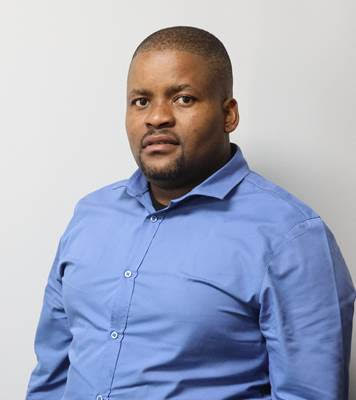
Dingaan Moropane, Deputy Dean: Teaching and Learning at IIE Rosebank College, says new students face significant hurdles, due to the transition from high school, personal challenges, or mismatched expectations. The good news? A disappointing first year isn’t the end of the road. Rather, it’s a pivot point, and it is entirely possible to regroup, reassess, and rebuild, he says.
“Students finding themselves in a predicament at the end of their first year should avoid making rash decisions, but rather take a structured approach to understanding what happened. Start by creating a simple timeline of your year: What were your high points? Low points? Did external factors like family issues, health problems, or part-time work play a role? Be honest about study habits. Did procrastination, poor time management, or ineffective note-taking contribute,” Moropane says.
“This exercise helps shift from emotional reaction to analytical insight. Remember, failure often stems from systemic issues like inadequate high school preparation or overwhelming course loads, not inherent inability.”
Once the reflection exercise is complete, the following steps will help students decide on the way forward:

TAP INTO UNIVERSITY RESOURCES IMMEDIATELY
Good universities will be equipped with support systems designed exactly for situations like this, so don’t hesitate to use them. Delaying can compound stress, so act quickly after receiving results, Moropane says.
“Book an appointment with your faculty advisor or student advisor centre. Discuss grade appeals if applicable (e.g., if extenuating circumstances weren’t considered), or options like retaking modules without penalty.”
Other resources that could assist include tutoring and study support services, financial aid services (if failure means you need to repeat a year) and mental health support, especially if anxiety or depression affected your performance, or might in the future.
Online resources are also more valuable than ever to get you back on track – and you can use these during the holidays to up your game.
RE-ASSESS IF DOUBT CREEPS IN
If your struggles stem from a lack of interest in your field, it’s okay to question your choice, Moropane says.
He says while it’s a major decision, switching majors or qualifications early can, ironically, save time and money in the long run.
“If a student is studying a subject that fails to spark genuine excitement or passion, they will almost inevitably struggle to stay motivated throughout their degree. Without that inner drive – the curiosity to learn more, the eagerness to tackle challenging concepts, and the vision of a fulfilling future career – it becomes increasingly difficult to maintain the momentum needed to complete assignments, attend lectures, and push through difficult periods.
“Over time, disinterest can turn into frustration, burnout, or even dropping out entirely, leaving the student with wasted time, financial burdens, and a sense of regret.”
Moropane says when it becomes clear, especially in the first year, that the chosen qualification simply isn’t the right fit, it is far wiser to pause and reconsider the path ahead.
“Continuing down a route that feels wrong just for the sake of finishing what you started or avoiding the discomfort of change often leads to greater costs in the long run: years invested in a qualification that won’t be used, mounting student debt, and missed opportunities to pursue something truly meaningful.”
Making the decision to switch doesn’t mean failure; it means having the courage and self-awareness to redirect energy toward a better future.
“However, this transition should never be rushed or impulsive. Before committing to a new direction, students must invest serious time in thorough research. They should explore a wide range of programmes, speak to current students and graduates at their current or prospective new university, attend open days, review graduate employment support and outcomes, and carefully examine course structures and modules,” Moropane says.
BUILD BETTER HABITS FOR ROUND TWO
Whether you’re retaking the year, pushing forward, or going in a new direction entirely, it is important to take the learnings from the less than successful first year, and implement changes to avoid repeating mistakes. Focus on sustainable routines rather than overnight overhauls, Moropane says.
Start stacking good habits, including developing new study methods, managing your time like a pro, keeping healthy and setting small, achievable goals.
Countless success stories prove recovery is possible, Moropane says.
“Your first year doesn’t define you, it’s a chapter in a longer narrative. Aim to treat setbacks as learning opportunities, not failures, and give yourself permission to rewrite the next page with a path that truly excites you.”
SUPPLIED.