

Disposable sanitary pads have been in the spotlight following a recent study by the University of the Free State (UFS), which raised concerns about toxic chemical traces found in some disposable sanitary pad brands.
The findings have sparked important conversations about menstrual health and safety, prompting many to reconsider whether reusable menstrual products could offer a safer, more sustainable long-term option for women concerned about prolonged exposure to potentially harmful substances.
For too many young girls in South Africa, something as natural as menstruation can interrupt their education.
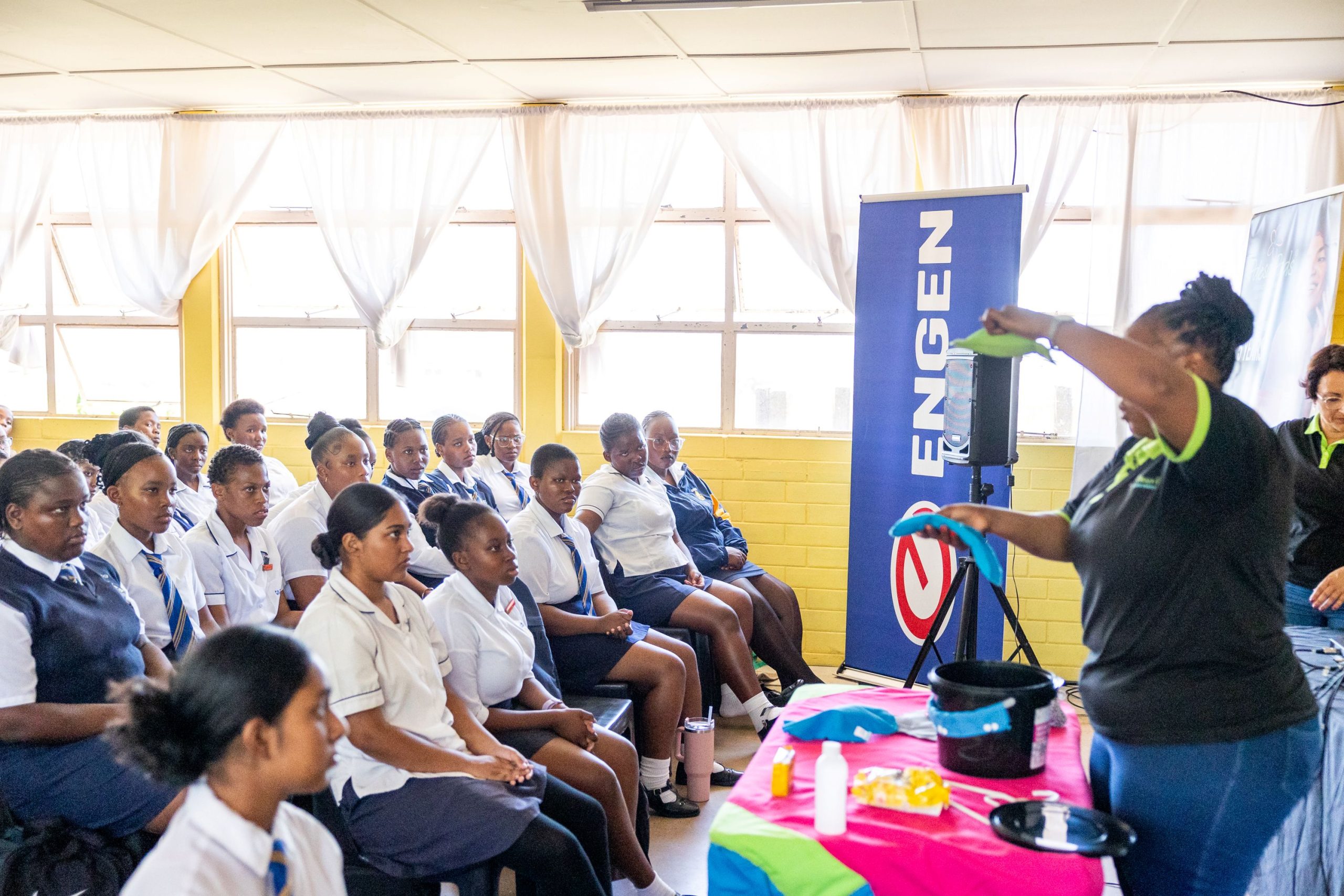
In response, Engen has taken practical action to change that. Expanding its national Menstrual Care Campaign in partnership with Proudly South African brand Palesa Pads, 800 learners across the country received safe, reusable sanitary pad packs and menstrual health education
This forms part of an ongoing campaign that was launched two years ago and has since evolved into a sustained national initiative aimed at addressing period poverty and restoring dignity to young women in underserved communities.
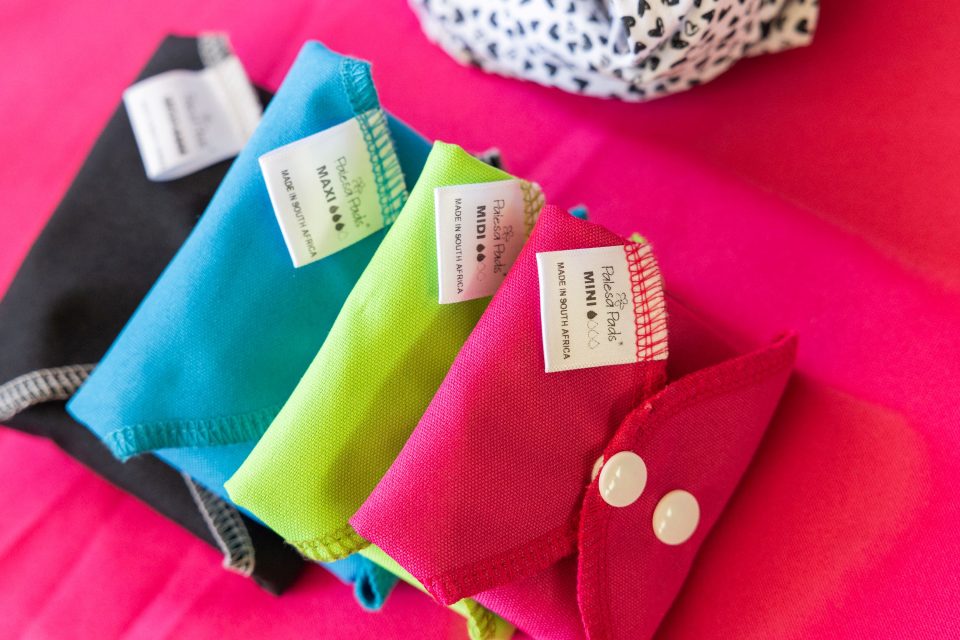
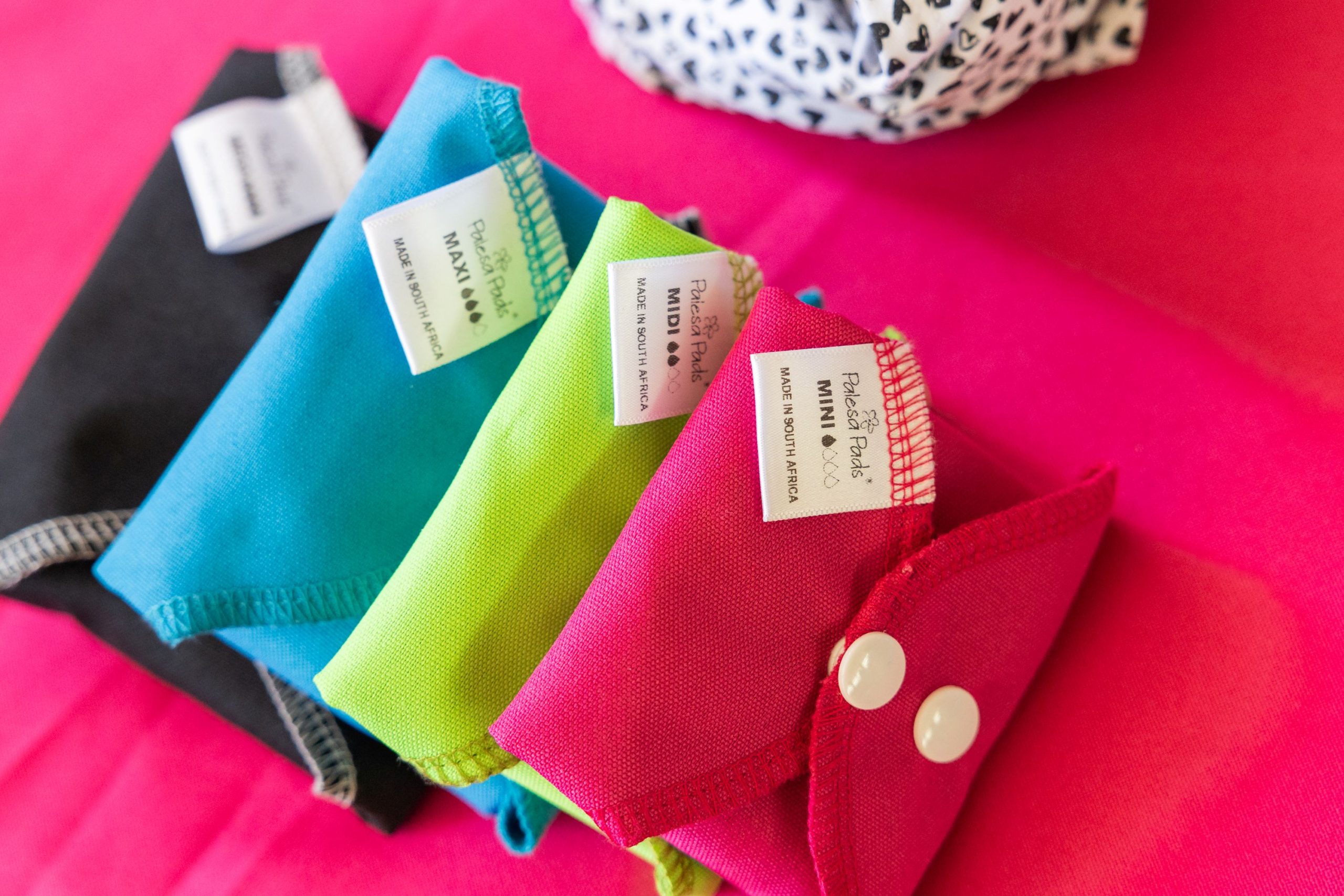
The campaign visited eight schools across South Durban, Plettenberg Bay, Gqeberha, Kroonstad and Limpopo, distributing 100 reusable sanitary pad packs per school. Each pack included a full range of safe, non-toxic reusable pads suited to different flow needs, along with practical cleaning kits and menstrual health education materials to ensure safe, hygienic and sustainable use.
The reusable pads, produced by Palesa Pads, can last up to five years, effectively supporting a learner throughout her high school journey at a fraction of the cost of disposable alternatives.
“Our pads are hygienic, safe and free of toxins, and designed to restore dignity,” said Sherie ‘Palesa’ de Wet, founder of Palesa Pads.
“When girls don’t have to worry about how they’ll manage their next period, they show up differently – with confidence, focus and pride.”
For many young girls in South Africa, menstruation still stands between them and their education. Period poverty continues to contribute to absenteeism, lost learning time and, in some cases, school dropouts.
“At the heart of this campaign is a simple but powerful idea: when girls are supported, they stay in school, participate fully and reach their potential,” said Olwethu Mdabula, Engen’s CSI Manager.
“Building on several years of sustained support for female learners, the campaign reaffirms our commitment to dignity, education and gender equality. Access to safe menstrual care is not a luxury – it’s essential. We cannot expect girls to thrive academically if they are forced to miss school every month due to period poverty. This campaign is about dignity, confidence and giving young women the freedom to focus on their education.”
Transitioning from disposable pads to reusable menstrual products provides a long-term, environmentally responsible solution that supports both learners and the planet.
Beyond addressing affordability, the initiative also helps break the stigma surrounding menstruation through open dialogue and education, empowering learners with knowledge about menstrual health and self-care.
“Empowering girls is not just the right thing to do – it’s essential for building stronger communities and a more equal society,” Mdabula added. “When we invest in girls, we invest in the future.”
SUPPLIED.