


Credit is integral to modern life. Most people couldn’t afford to buy a house or car, or pay for tertiary education without it. But the terms associated with credit and debt aren’t always easy to grasp.
This is despite provisions in the National Credit and Consumer Protection Acts that information and documentation provided to consumers must be in plain and understandable language.
Benay Sager, executive head of DebtBusters, South Africa’s largest debt counselling company, explains that the disconnect may result from financial people assuming that consumers are familiar with commonly used financial terms.
“It’s not that financial services providers are intentionally trying to confuse their customers. Rather, they may believe that sector-specific language is generally understood. The issue is worsened if consumers are embarrassed to ask for an explanation.”
This Financial Literacy Month, Sager says, there are five important terms credit consumers should understand to ensure they make sound financial decisions, avoid unnecessary costs, and steer clear of long-term financial strain.
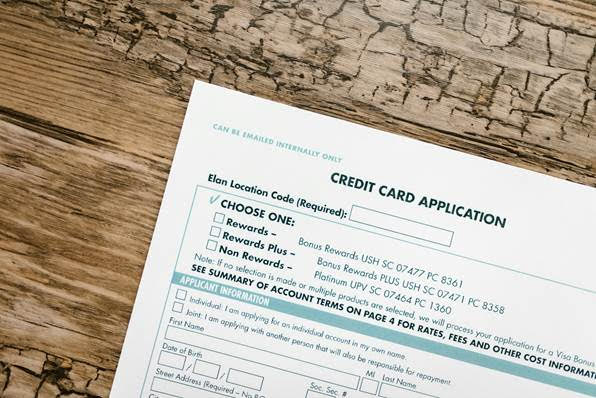
1. Credit score
A credit score is a three-digit representation of a person’s creditworthiness. Credit bureaus use a consumer’s borrowing and repayment history to compile a credit report and calculate the score. Lenders use this information to decide whether to approve a loan and the interest rate that should apply.
A higher score generally results in better borrowing terms, while a lower score can limit access to credit and make it more expensive. Consumers can access their credit reports free of charge once a year from any of the credit bureaus or from online providers such as JustMoney (www.justmoney.co.za).
2. Interest rate
This is the cost of borrowing, expressed as a percentage of the loan amount. Interest rates can be fixed, remaining the same for the full loan period, or variable, changing when interest rates move up or down. Even seemingly small changes can significantly affect the total repayment amount.
3. Debt-to-income ratio
This ratio is the proportion of a person’s income needed to repay their debt. A high debt-to-income ratio indicates that a large portion of income is being used to repay current debt, and may reduce the likelihood of further credit approval.
4. Secured and unsecured credit
Secured credit is underpinned by an asset, such as a home or car, which the lender can repossess if repayments are not made. Unsecured credit, such as personal loans or credit cards, doesn’t require an asset as collateral, but interest rates are typically higher because of the increased risk for the lender.
5. Arrears
A consumer is in arrears when one or more loan repayments are missed. This can negatively impact their credit score, trigger penalty fees and potentially lead to legal action.
“Understanding these terms is helpful when considering or applying for credit, but it’s especially important not to sign a credit contract that you don’t fully understand,” Sager says.
“If you are in any doubt, ask. The credit provider is obliged to explain your rights and responsibilities clearly and simply.”
SUPPLIED.