

Holding more funds doesn’t mean holding less risk – and for many South Africans already battling to save, it’s costing them returns they’ll never see
South Africa’s personal savings rate fell to -1.4% of disposable income in the fourth quarter of 2025. According to the South African Reserve Bank, this is the deepest level of household dissaving since 2016. In real terms, this means South Africans are collectively spending more than they earn. Roughly 40% of urban working households have no formal retirement savings, and around 50% of low-income workers have no savings at all.
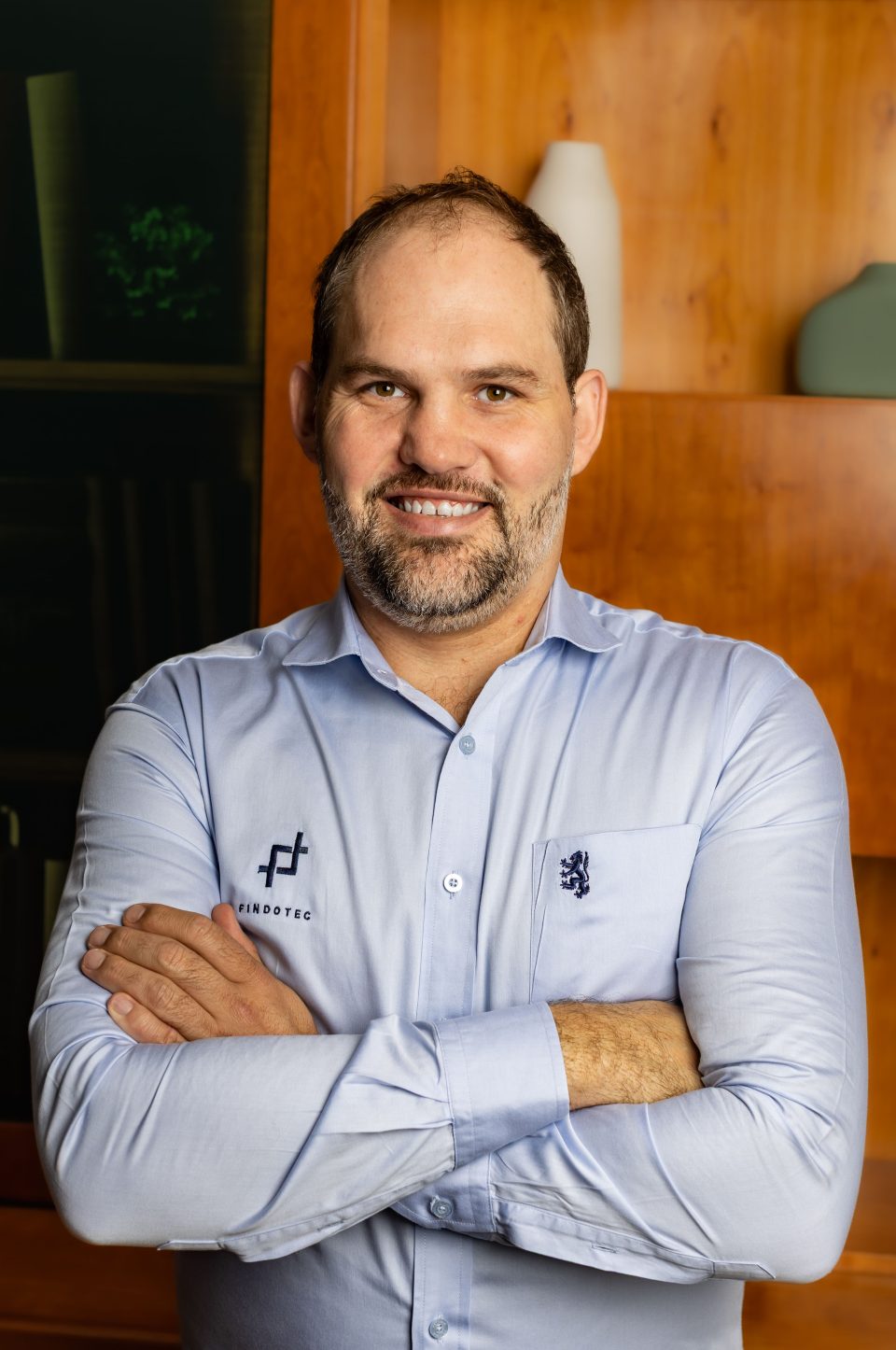
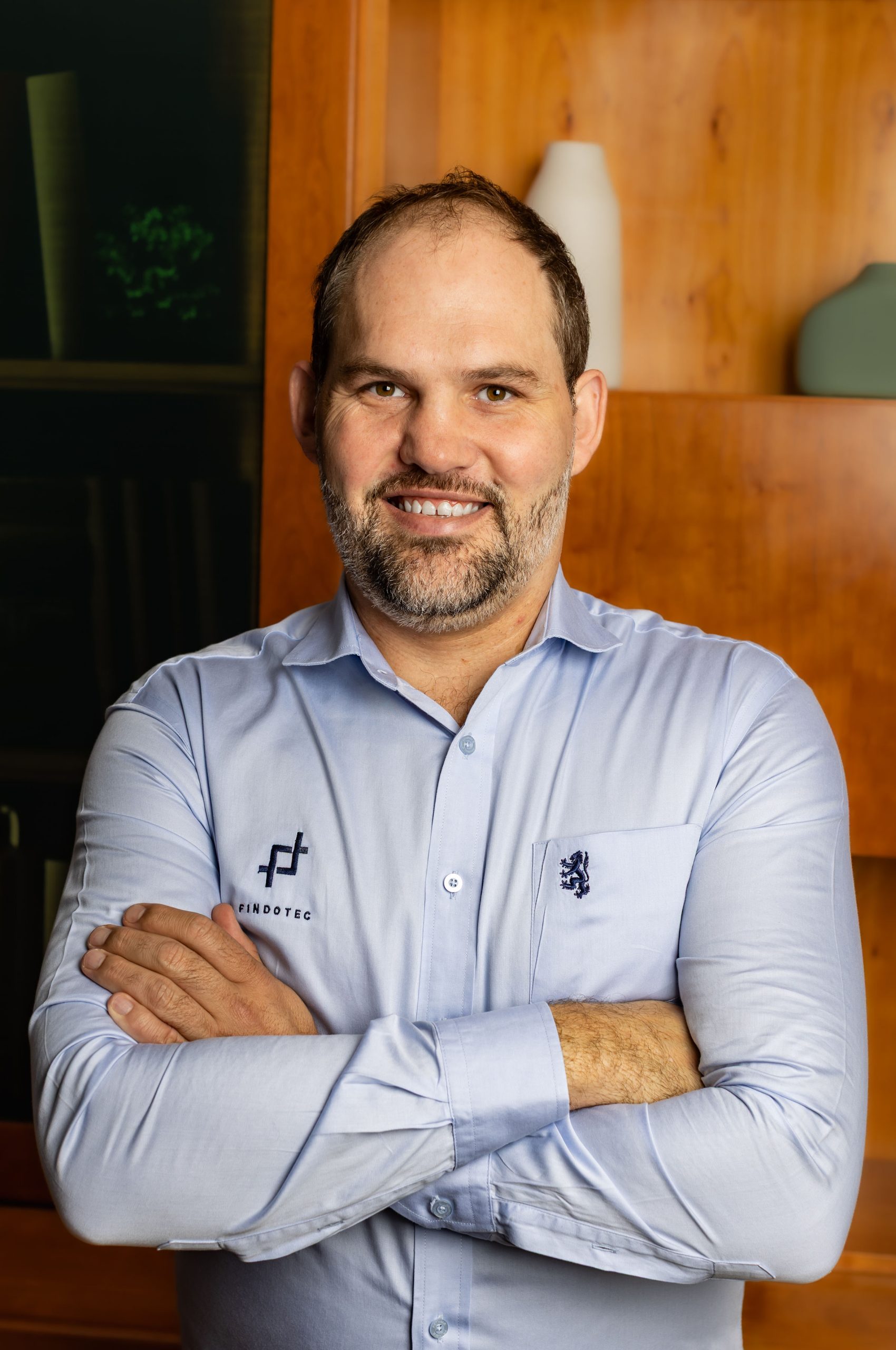
In a country where every rand has to work this hard, the South Africans who are actively investing cannot afford to waste what they put away. And yet, according to Pedri Reyneke, CEO and Fund Manager at Findotec, one such mistake is more common than most investors realise: over-diversification.
“I’ve sat across from investors who own fifteen unit trusts and can’t tell me what a single one of them does,” he says. “They feel safe because they own a lot of things. But when you look under the bonnet, half of those funds are holding the same five shares. That’s not diversification. That’s duplication with extra fees.”
A rule that stopped being useful
The advice to “diversify, diversify, diversify” has been drilled into South African investors for decades, and for good reason. Concentration in a single stock, sector or country is genuinely risky. But somewhere along the way, the rule lost its nuance.
“Diversification is meant to manage risk, not eliminate returns,” Reyneke says. “If your portfolio is so spread out that you can’t explain what you own or why, you’re not managing risk – you’re managing confusion. And confusion has a price tag.”
That price tag shows up in three places: higher combined fees, watered-down performance, and an inability to track whether your money is working for you.
The real cost of holding too much
Reyneke uses a simple example: “Imagine you own ten funds, and each one charges a management fee of 1.5%. Now imagine six of those funds are all holding variations of the same twenty JSE-listed companies. You’re paying six sets of fees to own the same shares, but in six different ways. The market doesn’t reward you for that – it simply charges you.”
He adds that this kind of over-diversification is particularly common in portfolios built gradually over time. “People add one fund here and another there every time they read an article or get a tip, yet nobody ever audits the whole picture. Ten years later, they’ve built something they don’t understand.”
A country that cannot afford passive investing
Against a backdrop of deepening household dissaving and historically low retirement savings participation, paying duplicated fees on duplicated holdings is a luxury South African investors cannot afford.
“In South Africa, every rand has to work as hard as you did to earn it. If you’re one of the South Africans actually putting money away each month, you owe it to yourself to make sure that money is doing a job and not just sitting in a portfolio that looks impressive on paper,” Reyneke notes.
Smart diversification looks different
The solution isn’t to abandon diversification – it’s to do it properly.
Reyneke suggests three questions every investor should be able to answer about what they own: what is this investment for? What does it give me that my other investments don’t? And if I took it out tomorrow, what would I actually lose?
“A focused, well-constructed portfolio can hold as few as four or five investment vehicles and be genuinely diversified. The question isn’t how many funds you own. It’s whether each one is doing a job the others can’t. If you can’t answer those three questions, you’re not invested. You’re collecting.”
Where to start
For South Africans who suspect they may be over-diversified, Reyneke recommends a simple portfolio audit – ideally with an independent financial adviser who isn’t selling a specific product.
“Lay it all out on one page. Every fund, every fee, every underlying holding. You’ll be surprised how often the same names come up again and again. That’s the moment it starts to make sense.”
The goal, he says, isn’t to own fewer things for the sake of it.
“It’s to own things with intent. Every rand in your portfolio should be there for a reason you can defend. That’s what disciplined investing actually looks like.”
SUPPLIED.