


Amman Muhammad
Islamic banking is sometimes described as a niche product, defined primarily by faith. In practice, it is a structured system of ethical and principles‑based finance, governed by clear rules, centred on real economic activity, and anchored in certainty of contract.
In a period where customers are increasingly attentive to trust, transparency and long‑term value, these foundations – rather than sentiment – explain Islamic banking’s continued relevance, both locally and globally.
In an environment shaped by economic pressure and heightened scrutiny of financial institutions, disciplined governance has become a prerequisite for trust rather than a differentiator.
Over the past two decades, South Africa’s Islamic finance landscape has evolved from early‑stage participation into a more established market, supported by regulatory recognition, product development, and growing customer awareness.
This progress matters because Islamic banking does not scale on demand alone. It scales through governance, technical capability, and institutional consistency. It is within this context that we continue to evolve how Islamic Banking is led within the Group.
FNB Islamic Banking has operated in South Africa since 2004, developing a full suite of Shari’ah‑compliant solutions across transactional banking, financing, investments, and insurance. The franchise has been built on a simple but essential principle: credibility in Islamic banking is inseparable from governance.
Shari’ah compliance is not an abstract concept. It is delivered through formal governance structures, disciplined product design, independent oversight, and a strong control environment. Customers choose Islamic banking because they value certainty, transparency, and ethical alignment.
Maintaining that trust requires consistency – particularly in how products are structured, how commitments are honoured, and how the business remains aligned with regulatory expectations as it grows. South Africa’s Islamic banking market has reached a point of maturity that allows for careful consideration of the next phase of development, while remaining firmly anchored in what has made the franchise resilient to date.
As part of this evolution, my role as chief executive has been expanded to focus on the deliberate expansion within the broader FirstRand Islamic Financial Services Group structure, which, will ensure that there is consistency in roll out of the core Islamic financial services operating model, focussed on seamless structures around governance, product pillars, channel, sales, distribution and enablement.
At the same time, leadership of the South African Islamic Banking franchise has been entrusted to Moulana Safwaan Navlakhi, who assumes responsibility for the performance of the local business as Executive Head of FNB Islamic Banking in South Africa. This separation is deliberate.
South Africa remains a priority market and requires dedicated leadership attention. At the same time, expansion into new jurisdictions demands focus, patience, and a clear understanding of regulatory and governance complexity. By separating these mandates, both objectives can be pursued diligently and without compromise.
For clients and communities, the intent is continuity and strengthening. The South African franchise remains focused and fully supported, while expansion is approached with dedicated attention and discipline. The objective is to sustain trust locally while building capability responsibly across new jurisdictions.
In Islamic banking, distraction is a risk. Structure is a safeguard. Interest in Islamic finance across parts of Africa continues to develop, driven by a combination of demographic realities, institutional evolution and increasing familiarity with Shari’ah‑compliant instruments. These developments point not only to opportunity, but also to responsibility.
Expansion in Islamic banking cannot be reduced to geographic reach. Each market presents different regulatory frameworks, levels of awareness and operational considerations. Sustainable growth depends on exporting governance and capability – not simply products.
In practice, this means building repeatable capability, whether in Shari’ah‑compliant trade solutions, SME finance structures, or digital enablement, all while recognising that each market has its own regulatory realities. For this reason, our approach remains measured. Governance frameworks, Shari’ah oversight, talent depth and operating discipline are prerequisites, not milestones.
To reiterate, Islamic banking is grounded in Shari’ah principles, but its relevance is broader. The emphasis on ethical constraints, transparency and real economic activity resonates with a wide range of customers, regardless of faith. Framing Islamic banking as inclusive is not a strategy; it reflects how the system works in practice. This perspective has guided how we have built, and how we will continue to build.
The opportunity for Islamic banking across the continent is real, but it is neither immediate nor unlimited. It must be approached with restraint, respect for local contexts and unwavering commitment to governance. Our focus remains clear: protect the strength of the South African franchise, build capability deliberately, and approach expansion in a way that sustains trust. In Islamic finance, progress is not defined by speed. It is defined by precision.
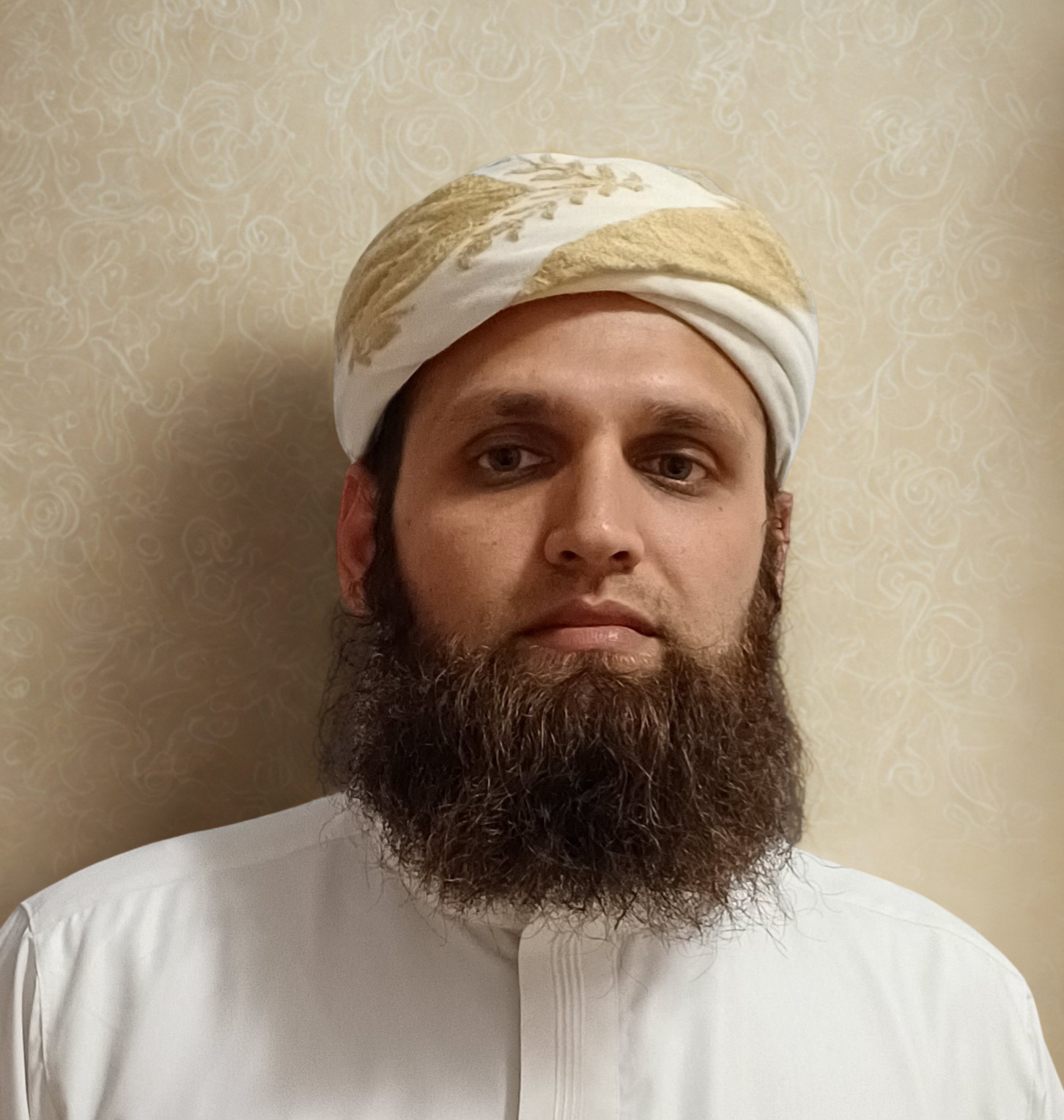
Amman Muhammad, FNB Islamic Banking CEO.
SUPPLIED.