

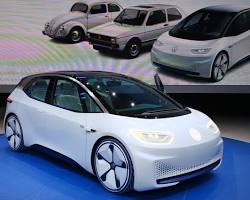
There are few stages in the global automotive calendar as storied, glamorous, and relentlessly forward-looking as the Paris Motor Show known historically as the Mondial de l’Auto. Established in 1898 as the Exposition Internationale d’Automobile, it holds the distinction of being the world’s very first motor show. Long before Detroit, Geneva, or Frankfurt became synonymous with automotive pageantry, Paris was already setting the pace, serving as the birthplace where horseless carriages first captured the public imagination.
Across well over a century of exhibitions spanning dozens of landmark editions interrupted only by global conflicts and recent modern pivots the show has been nothing short of a crystal ball for the industry. It is where pioneering engineering met Parisian flair. From the post-war economic miracles that motorized Europe to the breathtaking concept cars and aerodynamic masterpieces of the late 20th century, Paris has always been known for theatre, emotion, and design audacity. It is a show where French elegance meets raw mechanical ambition, consistently delivering cultural moments that shape how the world perceives mobility.
Yet, like the broader automotive landscape, the Mondial de l’Auto has had to evolve. Over the last decade, traditional auto shows faced existential questions as digital launches and changing manufacturer strategies threatened their relevance. But Paris has fought back with resilience, reinventing itself as a festival of popular mobility rather than just a static trade showcase.
As we look toward this year’s edition at Porte de Versailles, the narrative is unmistakably centered on transformation. What can we expect this year? Expect a high-stakes crossroads where European heritage confronts the fierce, unstoppable wave of global electrification and software-defined vehicles. With Chinese automakers making aggressive plays into the European market, legacy brands are bringing their absolute A-game unveiling long-range battery electric vehicles, radical sustainable materials, and hyper-connected cabin technologies designed to appeal to a digitally native generation of drivers.
At the same time, this year’s exhibition promises to retain the emotional heartbeat that has defined it since 1898. We will see breathtaking concept cars like Opel’s striking design statements and avant-garde visions from global design houses reminding us that motoring is still deeply rooted in desire.
Ultimately, the Paris Motor Show remains essential because it captures the soul of an industry in flux. It honors a rich 128-year legacy while staring down the windshield at an electric, highly competitive future. For journalists, manufacturers, and petrolheads alike, Paris isn’t just a venue,it is where the future of the automobile earns its pulse.
SOURCED FROM THEESNEAKPREVIEW WEBSITE.