

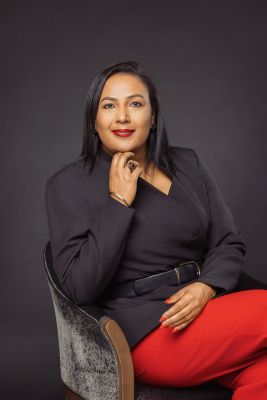
Janis Robson
Creative talent may open doors, but sustainable success comes from being able to turn opportunities into a business. Whether income comes from performances, royalties, content creation, merchandise sales, brand partnerships or production work, artists often face irregular cash flow and periods of uncertainty. Building strong financial foundations can help creators navigate lean months, invest in their craft and create long-term financial stability.
As entrepreneurship and ownership take centre stage at this year’s Back to the City Hip Hop Summit, Janis Robson, Business Development Head at FNB, shares seven money habits to help artists manage irregular income, make better financial decisions, and make the most of every opportunity. She says the challenge is not simply managing what comes in, but creating enough structure to cover current costs, prepare for quieter periods and make better decisions as income and opportunities grow. “Talent may create opportunities, but the way you manage your money often determines what you do with them,” says Robson.
She offers seven tips on how to achieve that:
1. Build your budget around the quiet months
Don’t make the mistake of treating a good month as your new normal. Start with the minimum you need each month for essential personal costs and business expenses, then work backwards. A simple 12-month budget & cash-flow view can help you spot likely lean periods and decide how much of a strong month needs to be carried forward.
For artists, a sold-out festival season or a few successful bookings do not guarantee income during quieter periods. Consider what you need to cover essentials such as transport, data, equipment maintenance, studio time and living expenses even when opportunities slow down.
2. Pay yourself, rather than spending from the business
Income from a performance, content partnership, production project or brand collaboration isn’t the same as personal spending money. Travel, equipment, collaborators, marketing and other costs may still have to come out of it. Keep business income and expenses separate, then transfer a planned amount to yourself for living costs.
When a large payment lands in your account, it can be tempting to treat it as available spending money. In reality, some of that income may still need to cover travel costs, your DJ, sound engineer, manager, production expenses, marketing and future projects. Having visibility of what is coming in, what must be paid out and what is available to spend helps artists make better financial decisions. For artists looking to strengthen their financial foundations, solutions such as FNB Gold Aspire provide access to tools and insights that can support better money management and savings habits.
3. Give every payment a job
When a large payment lands in your account, divide it up properly before lifestyle spending takes over. “Set aside money for upcoming business costs, tax, your personal pay, savings and future projects,” Robson explains. “The percentages will differ from person to person, but the habit is what’s most important. Money that has a purpose is less likely to disappear between gigs.”
Some artists find it helpful to immediately divide income between current expenses, savings, tax, future projects and personal spending. The amounts will differ from person to person, but creating structure helps ensure money is working towards a goal rather than disappearing without a plan.
4. Invoice quickly and follow up
For any serious business, cash flow is king. But cash flow requires real money, not projections or payments you’re hoping for down the line. Send invoices promptly, make payment terms clear and keep track of what’s outstanding.
If you’re an FNB Business Banking client, you can access accounting solutions to generate invoices for free and easily link them to payments for on-the-go reconciliation. Whatever system you use, make sure you get into a routine of checking for unpaid invoices and following up. This is especially important for brand partnerships, corporate performances, production work and content collaborations where payment can often be delayed. The quicker you invoice and follow up, the quicker you improve your cash flow.
5. Treat tax as part of the gig
People earning non-salary income are usually provisional taxpayers. SARS uses provisional tax to spread estimated income tax payments across the year, but it still means you could face a tax payment every February and August. Rather than waiting for that tax bill and then panicking about where you’ll get the money, put a portion of your income aside, preferably in a high-interest savings account.
Be sure to keep proper records of invoices and legitimate business expenses to reduce your tax liability. As income sources become more complex, professional tax advice can also be valuable.
Artists often earn income from multiple sources, including performances, royalties, sponsorships, content creation and merchandise sales. Understanding your tax obligations from the beginning helps avoid unexpected costs later and supports better financial planning.
6. Build a runway, not just an emergency fund
A creative business needs breathing room. “Aim to build a reserve that can cover essential costs when work slows, a client pays late or equipment needs replacing,” Robson says.
Think of your runway as creative freedom. A healthy reserve allows you to take time to write, record, produce or develop a project without having to accept every opportunity simply to generate immediate income.
Over time, that buffer can also give you the freedom to turn down work that doesn’t fit your vision or invest in a project that may take time to generate income.
7. Know which parts of your career actually make money
As opportunities grow, keep careful track of your income and costs by sources like performances, production work, royalties, brand partnerships, merchandise, content, or other projects. Revenue can look impressive, but when you look closer, some activities could be bringing in very little for the effort involved.
Not every opportunity contributes equally to your career or income. A sold-out performance, merchandise range, production project, content channel, or brand partnership may appear successful on the surface, but understanding the actual costs and profit generated by each activity helps you decide where to focus your energy and investment. Knowing what each income stream contributes helps you decide where to spend your time, what to price differently and where to reinvest.
Robson emphasises that the aim of these financial habits isn’t to make creativity rigid or take the joy out of it, but rather to give artists the foundations they need to thrive.
“The most successful artists often think like business owners,” says Robson. “Strong financial habits do not limit creativity. They create the stability that allows creators to invest in themselves, pursue bigger opportunities and build lasting wealth from their talent.”
FNB’s participation in this year’s Back to the City Hip Hop Summit reflects its commitment to helping entrepreneurs and creators build stronger businesses.
Janis Robson, Business Development Head at FNB.