

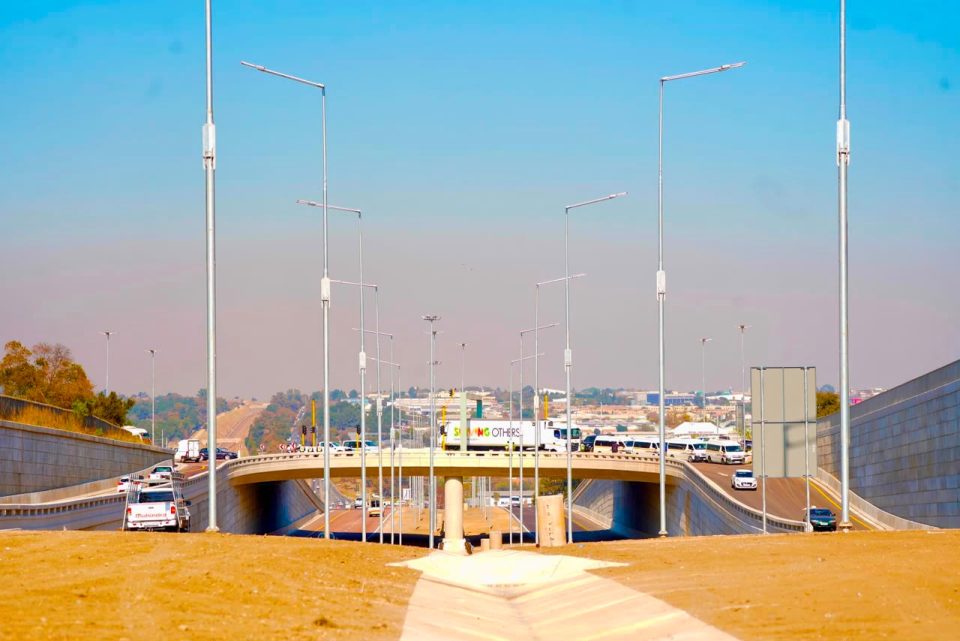
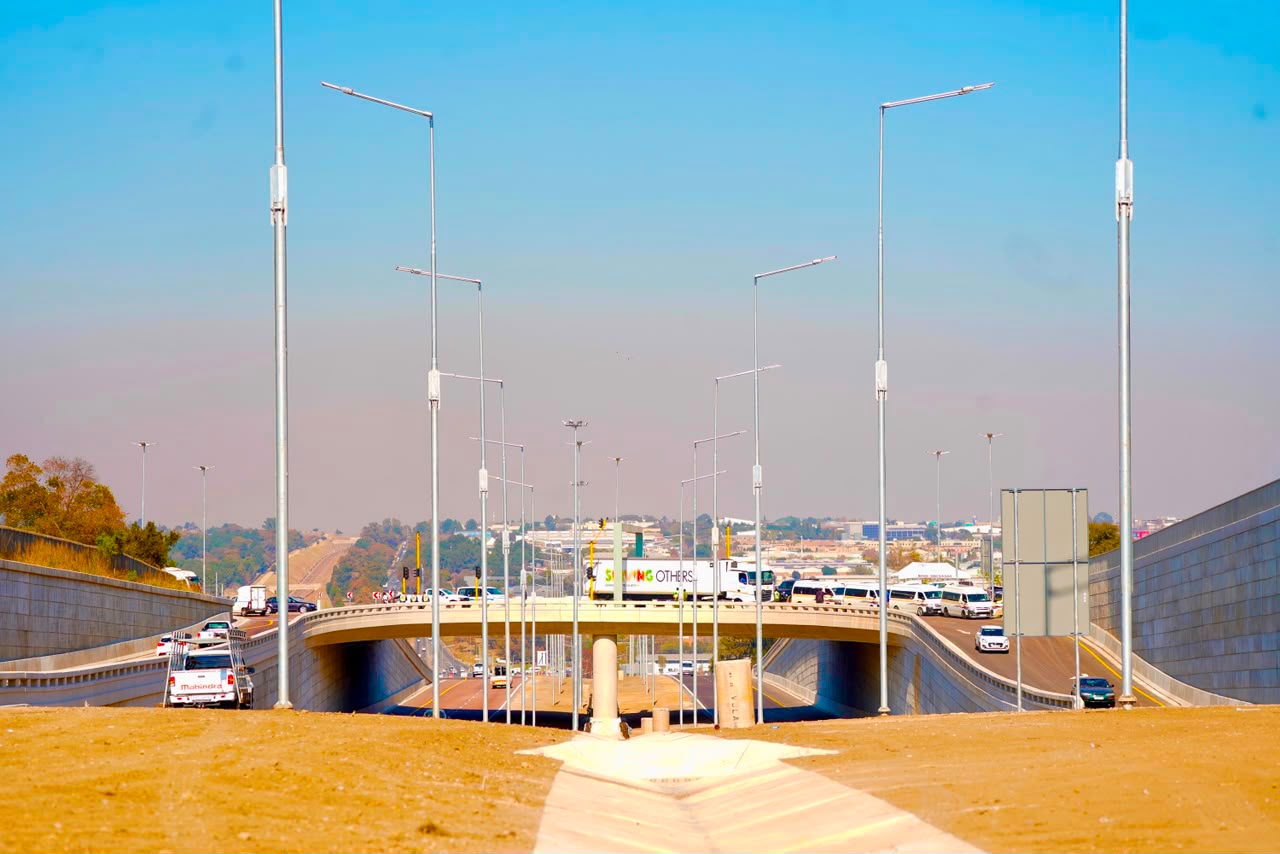
The Gauteng Provincial Government has officially unveiled the upgraded K101 Road (Old Johannesburg Road), marking a significant milestone in the province’s ongoing efforts to modernise transport infrastructure and improve mobility.
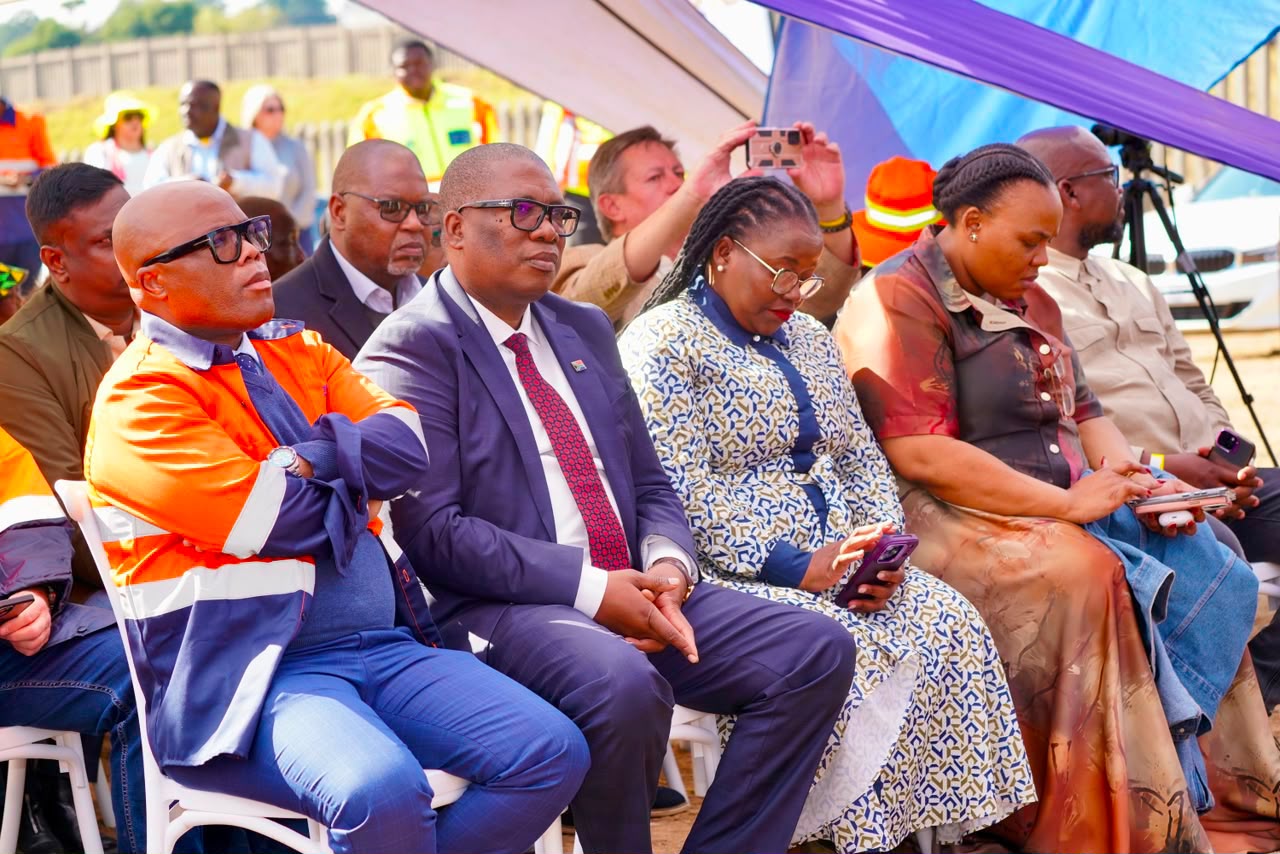
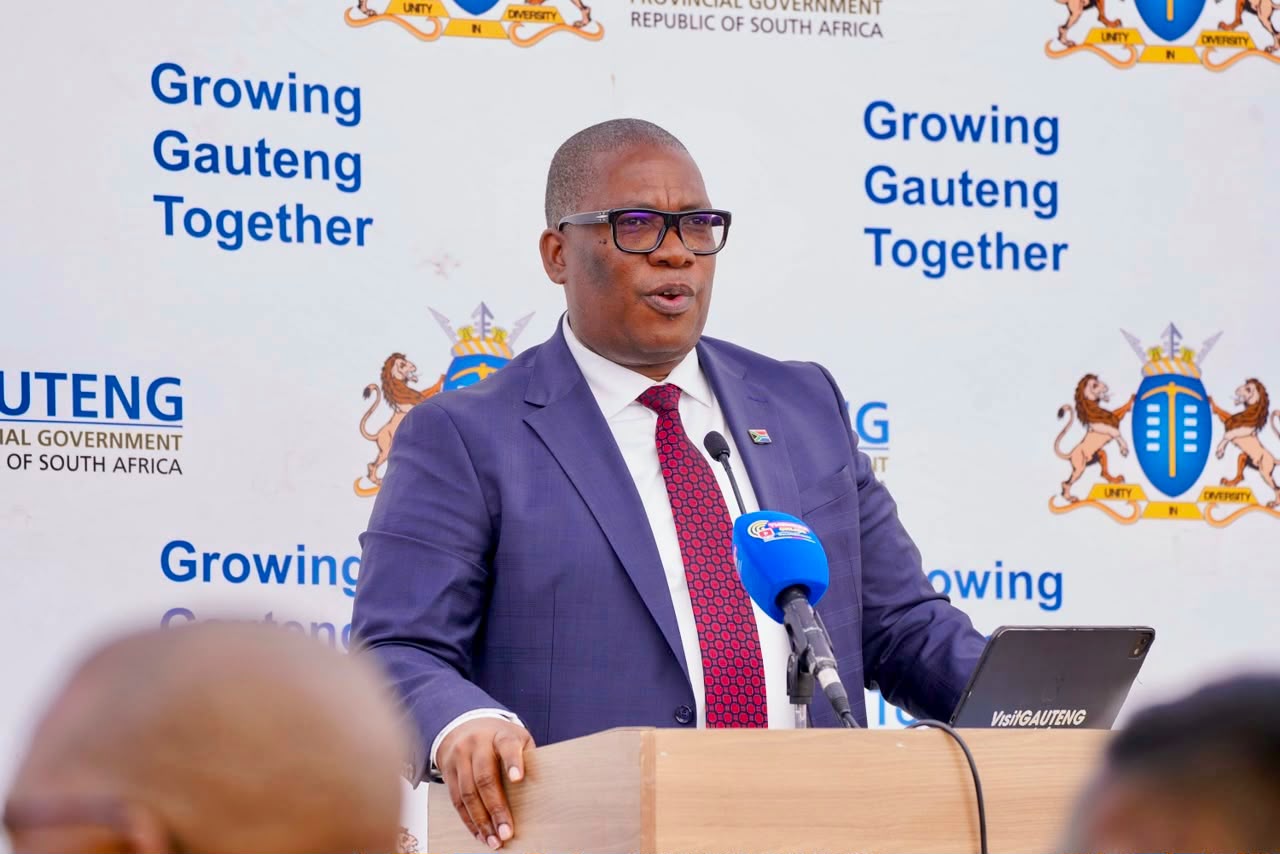
Gauteng Premier Panyaza Lesufi presided over the launch of the project, which is expected to ease congestion, enhance road safety, and support economic growth across the province.
The upgraded section stretches from the D795 Road in Midrand to the N1 at Brakfontein Road, offering a critical alternative route to the heavily congested N1 freeway.
The corridor plays a strategic role in linking the cities of Johannesburg and Tshwane and supports a wide range of road users, including private motorists, freight operators, buses, taxis, pedestrians, and cyclists.
Speaking at the launch, Premier Lesufi emphasised the importance of adopting an integrated approach to infrastructure development, highlighting the need to complement road upgrades with CCTV surveillance, strengthened law enforcement, and coordinated government action to combat crime, vandalism, and damage to public infrastructure.
The Premier further underscored the importance of ensuring that infrastructure projects contribute meaningfully to job creation, particularly by empowering and upskilling unemployed youth across Gauteng.
Launched in October 2022, the K101 upgrade was implemented in response to increasing traffic volumes along the corridor, which have risen from approximately 20,000 to over 30,000 vehicles per day. Public transport accounts for nearly 30% of this traffic, reinforcing the route’s importance in facilitating the movement of people and goods.
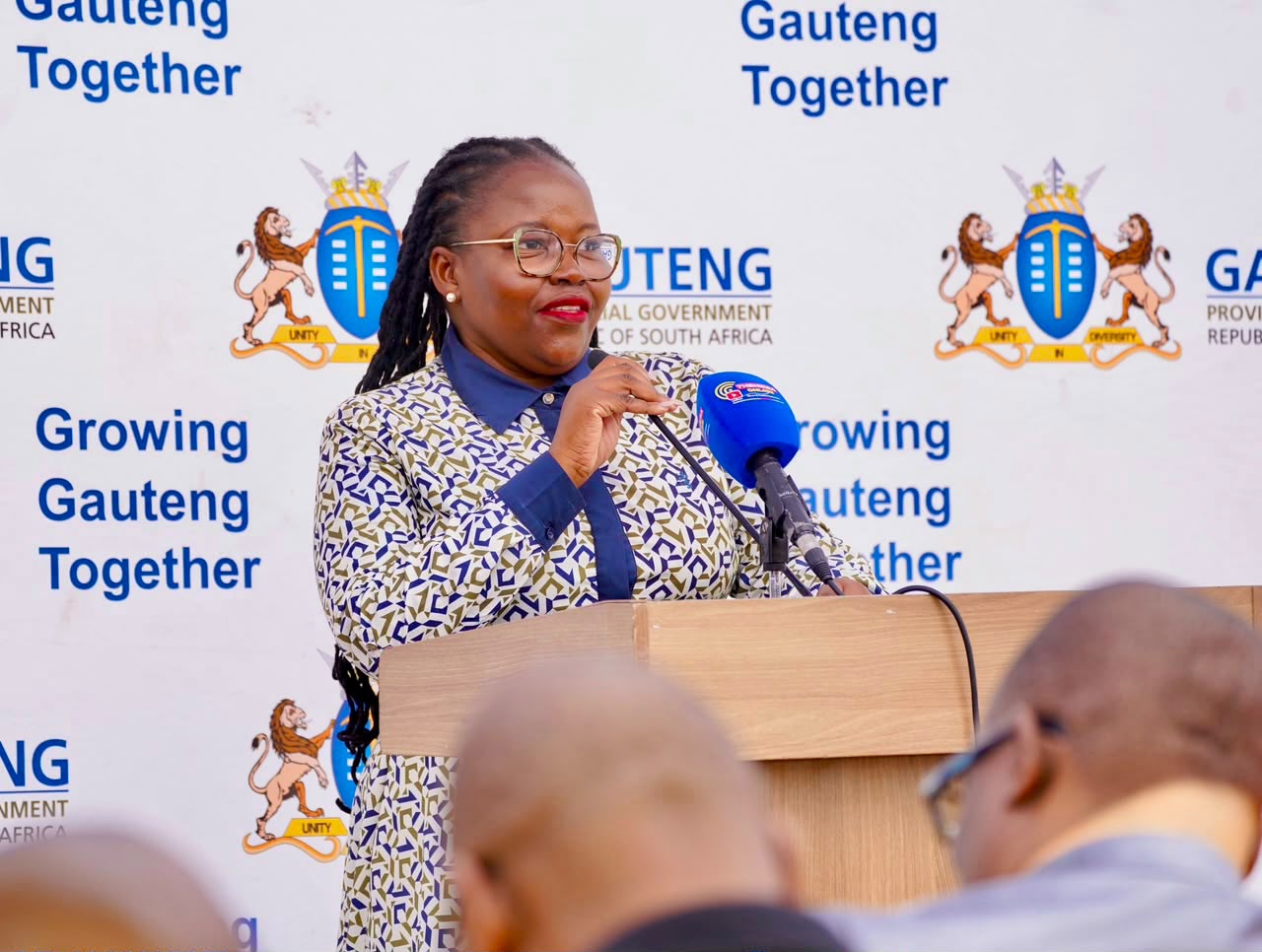
Gauteng MEC for Roads and Transport, Kedibone Diale-Tlabela, said the project reflects government’s commitment to using infrastructure investment as a catalyst for inclusive growth.
“The K101 Road Upgrade Project stands as a practical demonstration of how infrastructure can change lives. It is not only about roads, bridges and traffic signals, but about connecting communities to opportunities, improving mobility, enhancing safety, and supporting economic development.
As the region continues to grow, it is our responsibility to ensure that transport infrastructure keeps pace with development and supports the efficient movement of people and goods,” said the MEC.
The MEC added that the investment is aimed at reducing congestion, improving traffic flow while enhancing access to economic hubs, while also accommodating future growth.
The project delivered approximately 5.4 kilometres of dual carriageway, three bridges, nearly six kilometres of pedestrian walkways and dedicated cycling lanes, five new traffic signals, upgrades to two existing signals, approximately three kilometres of street lighting, and additional bus bays to improve access to public transport.
These improvements are expected to significantly reduce travel times, improve traffic flow, and enhance access to surrounding residential, commercial, and industrial developments.
The inclusion of pedestrian walkways, cycling lanes, improved lighting, and traffic signalling also contributes to a safer and more inclusive transport environment.
Beyond infrastructure delivery, the project has generated tangible socio-economic benefits.
A total of 127 community members received technical skills training, while 53 individuals participated in programmes aimed at strengthening small, medium, and micro enterprises (SMMEs).
Employment opportunities were also created for local labour and emerging contractors throughout the construction phase.
The Gauteng Provincial Government has called on communities to play their part in safeguarding this critical public asset by reporting vandalism, illegal dumping, and any damage to road infrastructure.
SUPPLIED.