

Lelethu Ndyamboti
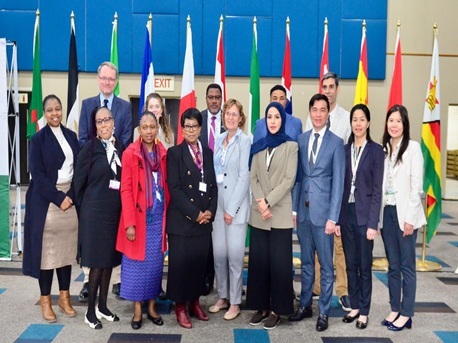
The City of Johannesburg is hosting the G20 Disaster Risk Reduction (DRR) Working Group Meeting at the Sandton Convention Centre this week, with delegates from G20 member states – including China, Brazil, India, Japan, Australia, and the UK – as well as representatives from the UN, EU, and various NGOs.
The four-day programme kicked off with a visit to Kliptown, Soweto, where delegates observed community-based early warning systems in action. The meeting places strong emphasis on Nature-Based Solutions (NbS) as a sustainable way to reduce disaster risks and build resilient communities.
Nature-based solutions use healthy ecosystems to lessen disaster impacts while providing benefits to people and nature. Examples include restoring wetlands to absorb floodwaters, reforesting slopes to prevent landslides, and planting mangroves to shield coastlines.
Key discussions on Days two and three focused on: reaching vulnerable communities through inclusive planning; expanding early warning coverage; investing in resilient infrastructure; and promoting NbS through supportive policy and funding mechanisms.
Dr Bongani Elias Sithole, Chair of the G20 DRR Working Group and Head of South Africa’s National Disaster Management Centre, noted the difficulty of aligning NbS across different government spheres. He emphasised the importance of adopting global lessons to improve community engagement and disaster response locally.
UNESCO’s Chief of DRR, Soichiro Yasukawa, stressed the need for credible data to demonstrate the effectiveness of NbS. “There’s still scepticism about whether NbS can outperform traditional infrastructure,” he said, adding that improved data could help unlock private investment.
The meeting reinforces global cooperation, innovation, and the power of nature in building resilient cities and protecting both lives and ecosystems.
SOURCED FROM THE JOBURG WEBSITE.