

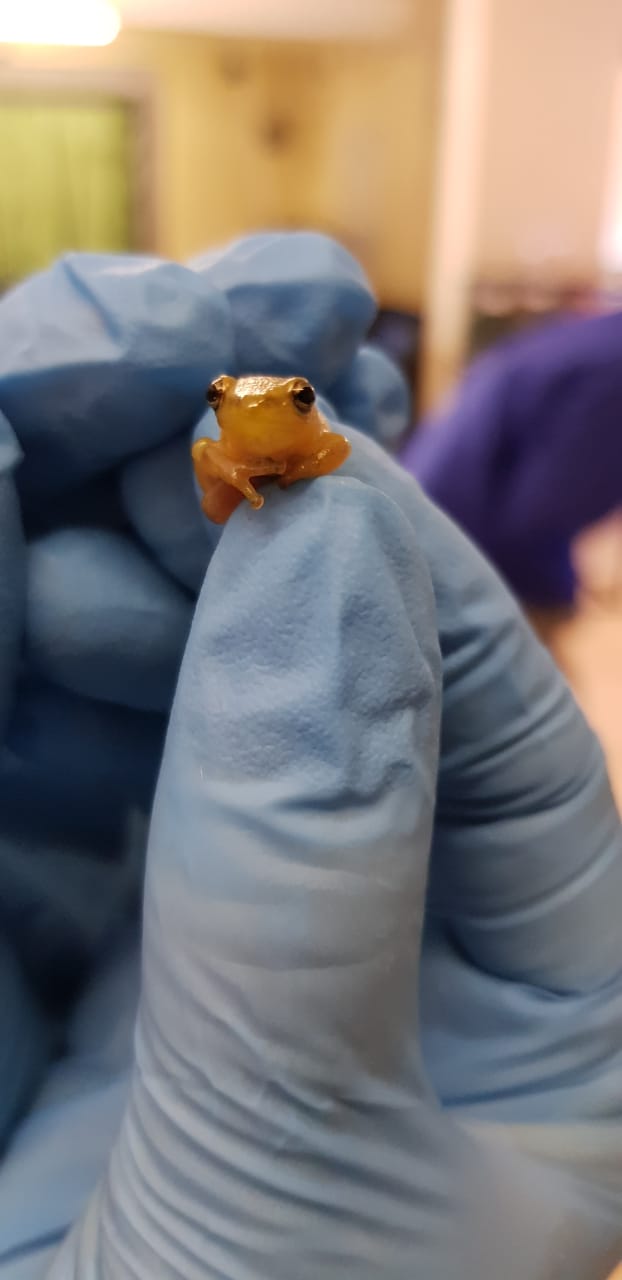
Johannesburg City Parks and Zoo (JCPZ) proudly joins the continent in commemorating Africa Environment Day, championed by the African Union, alongside World Wildlife Day. These important observances call on all Africans to reflect on our shared responsibility to safeguard the continent’s extraordinary natural heritage for present and future generations.
Africa is home to some of the most biodiverse ecosystems on earth — yet many of its iconic species face severe threats from habitat loss, climate change, illegal wildlife trade, pollution, invasive species, and unsustainable land use.
Among the most threatened and endangered indigenous wildlife species on the continent are:
Black Rhinoceros – Critically endangered due to poaching and habitat loss.
African Forest Elephant – Severely impacted by ivory trafficking and deforestation.
Mountain Gorilla – Threatened by habitat encroachment and disease.
African Penguin – Facing rapid population declines due to overfishing and environmental changes.
Ethiopian Wolf – Africa’s most endangered carnivore, vulnerable to habitat fragmentation and disease transmission.
Pangolin – Among the most trafficked mammals globally.
Equally under threat are vital indigenous flora species that form the backbone of African ecosystems:
Baobab Tree – A symbol of African resilience, increasingly stressed by climate shifts.
African Teak – Heavily logged for timber.
Encephalartos Woodii – One of the rarest plants in the world, extinct in the wild.
Prunus africana – Overharvested for medicinal use.
The loss of these species represents not only ecological decline but also economic and cultural loss. Biodiversity underpins food systems, water security, tourism economies, climate regulation, and traditional knowledge systems across the continent.
Managing Director of Johannesburg City Parks and Zoo, Mr Thanduxolo Mendrew, emphasised the urgency of environmental stewardship:
“Africa Environment Day and World Wildlife Day remind us that protecting our environment is not optional — it is fundamental to our survival, dignity, and economic resilience. The African continent’s biodiversity is both a global treasure and a continental responsibility.”
He added:
“When we lose species such as the black rhino, the African forest elephant, or ancient plant life like our cycads, we are not simply losing wildlife — we are eroding ecosystems that sustain communities. Conservation is therefore a social, economic, and moral imperative.”
Safeguarding Africa’s environment is critical because:
Environmental security is economic security. Millions depend on biodiversity-driven sectors such as eco-tourism and agriculture.
Climate resilience begins with healthy ecosystems. Wetlands, forests, and grasslands absorb carbon, prevent erosion, and buffer extreme weather events.
Biodiversity ensures food and water security. Pollinators, catchment areas, and soil systems sustain life.
Intergenerational equity demands action today. Sustainable development ensures progress without ecological collapse.
Urban centres such as Johannesburg play a pivotal role in conservation through green infrastructure development, protection of conservation areas, habitat restoration, and environmental education. JCPZ continues to advance urban greening initiatives, biodiversity protection programmes, and responsible wildlife management in alignment with continental priorities.
Mr. Mendrew concluded:
“Africa must lead in redefining development in harmony with nature. By safeguarding our wildlife, protecting indigenous flora, and strengthening environmental governance, we secure a sustainable and prosperous future for our continent.”
Johannesburg City Parks and Zoo calls upon residents, businesses, and partners to actively support conservation efforts — from responsible consumption and water conservation to protecting wildlife habitats and supporting environmental education initiatives.
A call is for every embassy to plant a tree to celebrate the green legacy of the Nobel laureate, the late Wangari Maathai.
SUPPLIED.