

Himal Parbhoo
Every month across South Africa, millions of citizens gather in homes, community halls and places of worship to take part in the storied savings activity known as stokvel. Individually, these clubs may not account for massive sums of money but together the nearly 800,000 of them, representing some 11 million members, turnover an estimated R50 billion annually to form one of the most resilient and disciplined savings ecosystems in our economy.
Yet for decades, much of this R50 billion has existed outside the formal financial system. It has circulated in cash, stored in kitchen drawers or carried in handbags on payout day. While stokvels have long demonstrated extraordinary governance and financial discipline, their money has too often remained economically sterile earning no interest, vulnerable to theft, and disconnected from the broader mechanisms that drive national growth.
For too long, this capital has been invisible to the formal economy. That invisibility represents more than a banking oversight; it constrains South Africa’s economic potential.
We believe the next frontier of growth lies in expanding access to financial services while deepening meaningful participation. Financial inclusion is often measured by the number of accounts opened. An account on its own, however, does not create wealth. Real inclusion enables savings to generate returns, builds credible financial track records and allows communities to convert discipline into broader opportunity.
Digitising the stock economy therefore represents far more than a product enhancement. It speaks directly to South Africa’s economic future.
There is evidence that stokvel members want formalisation on their terms. Total inflows from September 2020 to December 2025 reached R20.6 billion. As of December 2025, total savings balances were R4.2 billion, up from R3.3 billion in December 2024 — reflecting a 21% increase in balances. Today FNB serves 110,000 active stock-saving clubs.
These numbers matter because they demonstrate trust and adoption on a scale. Even more compelling are the direct financial benefits to members. In 2025 alone, stokvels earned R256 million in interest, money that would have been forfeited had those funds remained outside the formal system. Through digitisation, stokvels also avoided R211 million in withdrawal fees by reducing reliance on cash and using digital channels to access funds securely.
More than a quarter of a billion rand has flowed back into communities through a change in mechanism rather than a change in behaviour. Members continue to save collectively. They continue to meet monthly. The difference is that their money now generates value while remaining secure.
Historically, one of the greatest barriers to formalisation lies in process friction, rather than in trust. Opening a stokvel account required three signatories to take time off work and travel together to a branch. For many groups, particularly in rural or underserved areas, the logistical burden proved prohibitive. The system required stokvels to reshape themselves around traditional banking processes.
We chose instead to reshape the process around them.
Recently, FNB introduced a fully digital, end-to-end stokvel account-opening capability that allows groups to formalise their contributions remotely through the FNB App, with no minimum deposit and no account-opening fee. Through live selfie verification, Home Affairs ID checks, digital constitution acceptance and real-time account activation, stokvels can now establish a formal account without visiting a branch, while branches remain available for those who prefer in-person engagement.
Equally important, the technology reinforces existing stokvel governance. The traditional three-signatory structure remains intact. Withdrawals still require multiple approvals. Every member retains full transparency and visibility over transactions. The governance fabric that underpins stokvel trust has been strengthened through digital tools that mirror its rules.
This approach recognises that stokvels are structured and disciplined financial communities. Their informal status stems from historical exclusion rather than organisational weakness. Our role has been to design a system that accommodates their established practices while extending the security, transparency and growth potential of formal banking.
The macroeconomic implications extend well beyond individual clubs. When stokvel funds are digitised and held within the formal financial system, they contribute to national liquidity and capital formation. They expand the deposit base that supports lending to households and small businesses. They create an auditable savings history that can, over time, strengthen credit assessments and improve prospects for asset ownership.
A digitised stokvel economy strengthens the national balance sheet and converts previously invisible savings into measurable economic participation.
If a larger share of the estimated R50 billion circulating annually through stokvels were formally integrated, the effect on financial inclusion and GDP growth would be significant. This outcome flows naturally from mobilising capital that already exists and directing it into productive channels.
We currently serve 110,000 active stokvels, yet there are approximately 800,000 across the country. The opportunity extends well beyond a single institution. What has been demonstrated is a replicable model for integrating informal savings networks into the formal economy while preserving their identity and governance.
The true measure of inclusion lies in strengthened financial outcomes. When stokvel members see their money grow through interest earned, avoiding unnecessary fees and building credible savings histories that open doors to future opportunities, participation deepens and economic resilience follows.
The stokvel economy already embodies discipline, trust and collective ambition. By digitising it thoughtfully and respectfully, we can ensure that this powerful engine of community finance becomes fully connected to South Africa’s broader growth story. Secure, productive and central to the nation’s economic transformation.
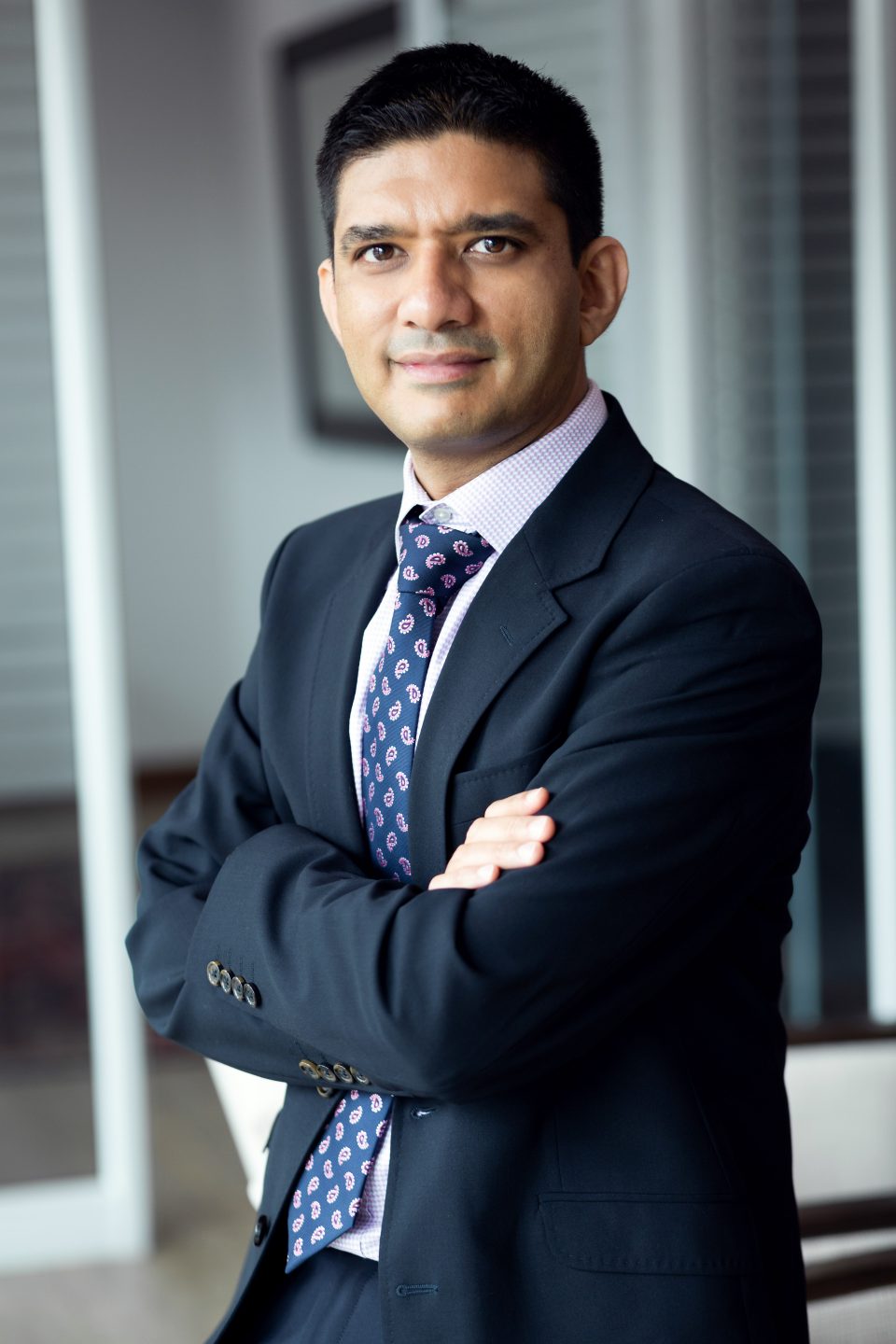
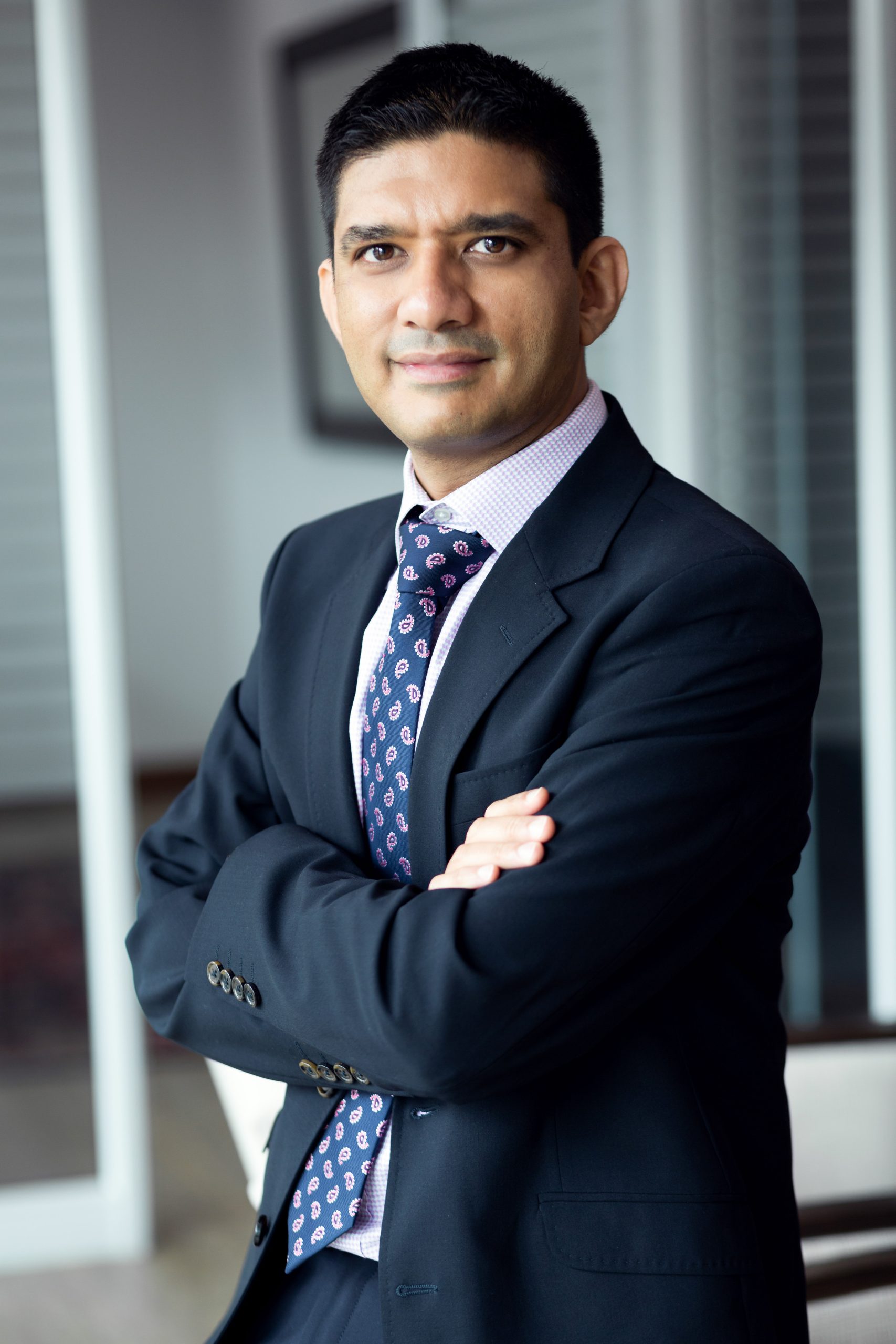
Himal Parbhoo, CEO of FNB Cash Investments. He writes in his personal capacity.