
South African classrooms are steadily moving beyond traditional green boards as schools modernise their teaching environments and introduce more digital and interactive learning resources. This shift shows a broader evolution in how lessons are structured and delivered, as well as how students engage with them.
Many educators and institutions support the adoption of digital and audio-visual technology in classrooms, saying it plays an important role in teaching and learning. In fact, according to a recent global survey commissioned by Epson and conducted by CARMA, 77% of South African teachers identify projectors as essential for effective teaching and learning in their schools. What’s more, across all markets surveyed, 73% of respondents say projectors enrich the learning process, with particularly strong sentiment in South Africa.
The benefits of digital display
Aside from being far more efficient and user-friendly, digital display solutions allow educators to present well organised visual lessons that are easier for students to follow and retain.
“For learners who navigate learning differently, visual learning is a very effective method of engaging them and keeping their attention. Visual learners are also able to better understand and remember information when it is shown in a visual or interactive way,” says Gareth Jay, Regional Sales Director at Epson South Africa.
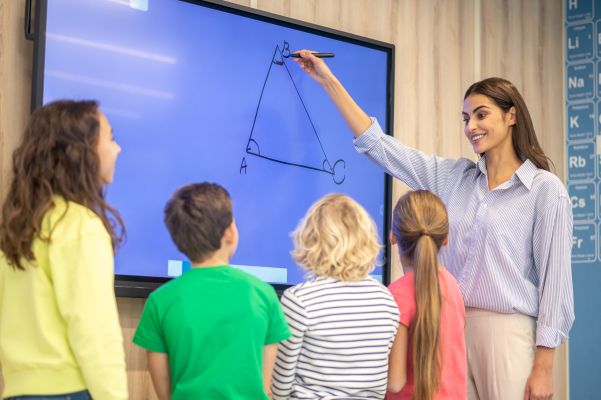
For example, complex concepts in maths, science, geography or accounting can be explained more clearly through diagrams, animations and simulations rather than handwritten notes alone. And, unlike static boards, projected content can be saved, revisited and adapted, creating greater consistency in curriculum delivery over time.
Interactive projection also shifts the classroom dynamic. Instead of learners remaining passive recipients of information, they can engage directly with content on screen, solve problems collaboratively and annotate diagrams in real time. The same survey found that more than half of teachers and parents believe both educators and learners are enthusiastic about using technology in learning. This enthusiasm, when supported by the right tools, leads to stronger participation and deeper engagement.
More screen time?
While concern around the amount screen time children have every day is mounting, digital learning need not mean endless individual screen time. While over half of respondents agree that printed materials provide a more focused learning experience and 59% say print reduces screen fatigue, 40% of South African respondents report that their students have not experienced screen fatigue at all. Shared visual learning through high-quality projection can help balance digital and printed resources in a way that supports comprehension without overwhelming learners.
Schools are also clear about what needs to change. Access to the latest technologies ranks among the top priorities for making teaching and learning more effective in South Africa. At the same time, 56% of teachers across markets cite infrastructure as the biggest barrier to equal access to digital tools.
“Future-ready classrooms are a long-term educational strategy,” says Jay. “Investing in reliable, energy-efficient visual solutions ensures schools can strengthen lesson delivery today while preparing learners for a technology-driven economy in the future.”
He adds that classroom display and projection hardware are a durable solution that support teachers, reduce maintenance pressures and remain sustainable within tight budgets.
Solutions such as the Epson EB-770Fi illustrate how this translates in practice. Ultra-short throw laser projection allows large, bright images to be displayed clearly even in well-lit classrooms, while touch and multi-pen interactivity enable learners to engage directly with lesson content on screen.
Long-lasting laser light sources reduce maintenance requirements and energy consumption, allowing these systems to deliver consistent performance over time, aligning with schools’ need for dependable, future-ready infrastructure.
With nearly all survey respondents emphasising the importance of eco-friendly features in education technology, the case for robust, energy-conscious projection is as practical as it is educational. As South Africa continues to prioritise digital literacy and improved learning outcomes, interactive projection is fast becoming a foundational tool in the modern classroom.
SUPPLIED.