

For residents of Ugie, a small town in the Eastern Cape, applying for a Smart ID once meant travelling to another district, often requiring a costly and time-consuming trip to Mthatha. Similar challenges have long been faced by people living in rural communities across South Africa, where accessing essential government services can involve taking time off work, paying for transport and spending hours on the road. Today, those barriers are steadily being removed.
Standard Bank has reached a major milestone in its partnership with the Department of Home Affairs (DHA), expanding its network of Smart ID-enabled branches to 100 locations nationwide. Many of these branches are in rural and underserved communities, bringing critical identity services closer to the people who need them most.
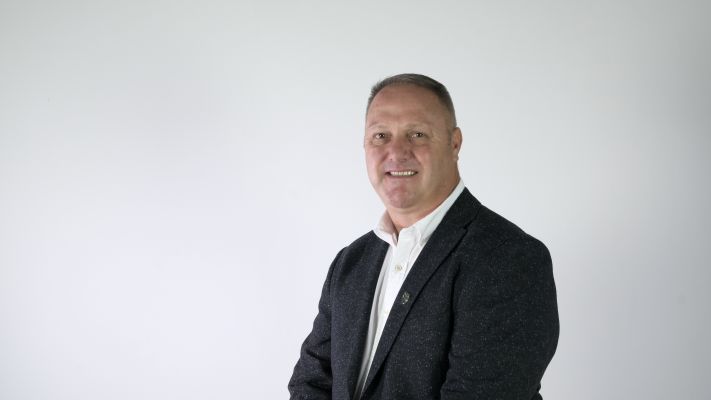
“Reaching 100 Smart ID-enabled branches is about far more than hitting a number. It represents a meaningful step towards making essential government services more accessible, convenient and inclusive for all South Africans, regardless of where they live,” says Marius le Roux, Head of Fraud Operations, Client Experience and Risk Execution at Standard Bank South Africa.
“In many of the communities where we have expanded these services, residents previously had to travel long distances simply to apply for or replace an identity document. Access to something as fundamental as an ID should not be determined by geography.”
Le Roux says the initiative demonstrates how public-private partnerships can help address practical challenges faced by citizens. “When you hear stories from clients who had to plan an entire day around travelling to another town, or communities that coordinated trips because of the cost and time involved, you realise how important local access is. By leveraging our branch infrastructure, we are helping to close these gaps and bring essential services closer to communities.”
Minister of Home Affairs, Dr Leon Schreiber, said: “Reaching 100 Standard Bank branches is another major milestone in our mission to bring Home Affairs closer to where people live, work and bank. Our groundbreaking Digital Partnership is focused specifically on enhancing access and inclusion on a scale never seen before for the residents of underserved communities, such as Ugie in the Eastern Cape.”
“Every new branch in underserved communities makes it easier for South Africans to replace the fraud-prone green barcoded ID book with the secure Smart ID Card, bringing us another step closer to ending the era of queues and delivering world-class Home Affairs services through digital transformation and partnership.”
Since launching and expanding its Smart ID capability, Standard Bank has processed close to 50,000 Smart ID applications, reflecting the strong demand for more convenient access to Home Affairs services.
Having reached the 100-branch milestone, the bank is now focused on the next phase of expansion, with plans to nearly double its Smart ID footprint before the end of 2026. By year-end, Standard Bank expects to process more than three times the total volume handled to date.
“The momentum we have built highlights the value that can be unlocked when business and government work together to improve service delivery. As demand continues to grow, we will keep investing in the systems, processes and customer experience needed to support significantly higher volumes while maintaining a high standard of service,” says Le Roux.
The expansion of Smart ID services forms part of a broader collaboration between Standard Bank and the Department of Home Affairs. The bank is working towards introducing additional DHA services through its branch network before the end of the year, creating even more opportunities for customers to access government services through trusted, secure and convenient banking channels.
SUPPLIED.