

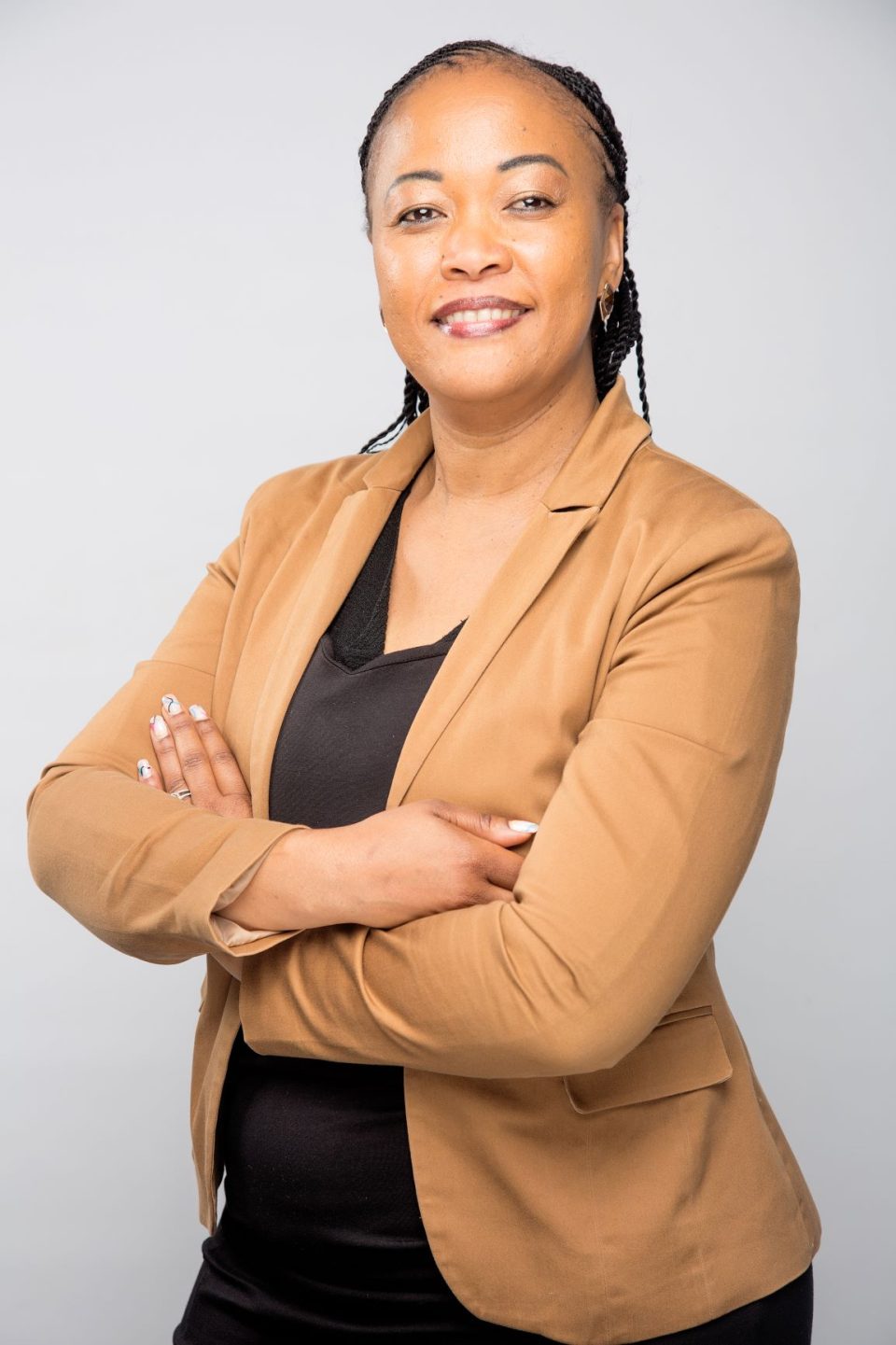

Evodia Phahlane
Too many South African households are just one lost income away from a financial crisis. A death, disability or serious illness can remove an income overnight while the bills remain. That reality is clear in a labour market where the official unemployment rate sits at 31.4% in Q4 2025.
That is what long‑term insurance is meant to do: protect a household when its financial foundation is suddenly shaken. Yet many families either do not have cover, do not trust it, or do not fully understand it. Affordability is one reason; complexity and past experiences are another. When products are hard to compare, conditions are buried, or claims feel uncertain, people hesitate, especially in a country where one in four households is a single‑person household and over two‑fifths are female‑headed. Households like these need clarity and certainty, not jargon.
If insurance is going to close South Africa’s protection gap, the industry must make products easier to understand, the buying process less intimidating, and communication crystal clear about what is covered, what is not, and what will be required at claim stage. This is especially critical given ASISA’s finding that the country’s life insurance protection gap has widened to R50.4 trillion, with lower‑income earners remaining the most under‑insured despite facing the greatest financial vulnerability.
Complexity, affordability constraints, and poor product understanding continue to limit uptake, particularly for risks such as disability and critical illness, where cover is weakest. Simplifying products and improving transparency does not weaken insurance solutions it strengthens trust, accessibility, and the relationship with the person paying for protection.
Trust is earned at claims. A claim is never just an operational event; it often arrives at one of the most difficult moments in a person’s life. People deserve accuracy, honesty, humanity and speed. That is why we’ve invested in straight‑through processing (STP) that pays qualifying claims without human intervention. Over the last six months, almost half of qualifying claims were paid via STP, and in February 2026 more than half of these claims were paid in 30 minutes.
Advice matters, and skilled advisers play an important role in helping customers choose appropriate cover and avoid guesswork. However, advice cannot be the only way people make sense of insurance. For many customers, professional advice is not always accessible or affordable, and some prefer to engage directly through digital channels. If a product only becomes clear once it has been explained by an expert, it signals a need to improve product design and communication. True financial preparedness requires solutions that are intuitive, transparent and easy to understand enabling customers to make informed decisions, with or without advice.
Families want to know a policy is clear upfront and dependable at claim time. Industry data shows South African insurers pay R639 billion to policyholders and beneficiaries in 2024, and 95.6% of death claims settled last year. The challenge is to make those outcomes predictable, fast and transparent for every customer, every time.
Our goal is not just to put products into the market, but to offer protection that customers can understand and rely on. We’re proud that this focus on real‑world delivery was recognised when FNB was named News24’s Long‑Term Insurer of the Year (2026) an assessment based on transparency, responsiveness, communication, and customer experience.
Evodia Phahlane, Chief Operating Officer: Insurance at FNB Life. She writes in her personal capacity.