


If your tween or teen suddenly has a 10-step skincare routine, a bathroom shelf that looks like a beauty aisle, and strong opinions about serums they saw on TikTok – you’re not alone. Skincare has become a massive trend among young people, with influencers and celebrities promoting products that promise glowing, pore less skin.
But here’s the truth dermatologists want parents and teens to know most of those products were never designed for young skin in the first place. In fact, using the wrong skincare too early can damage developing skin.
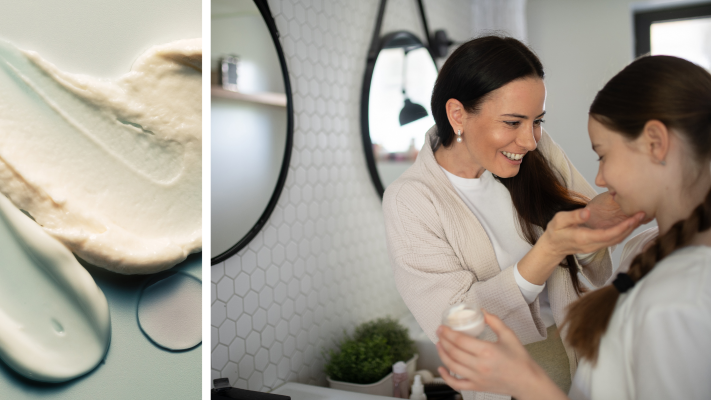
The rise of the “mini skincare guru”
Social media has made skincare trendy among children and teenagers. Platforms like TikTok are packed with “get ready with me” routines and product recommendations from influencers who often look barely older than the audience watching them.
Researchers analysing popular teen skincare videos found routines that included an average of six products per regimen, sometimes costing more than $168 per month. Some even used anti-ageing products that can cost over $500.
Even more concerning is what’s inside those products. The same study found that many routines contain an average of 11 active ingredients such as retinoids and exfoliating acids.
These ingredients may work for adult skin but for tweens and teens, they can cause more harm than good.
Young skin is different
The skin of a tween or teenager isn’t just a smaller version of adult skin. It’s still developing and behaves very differently. Young skin generally produces plenty of collagen and renews itself quickly. That means it doesn’t need anti-ageing ingredients that are designed to speed up cell turnover or boost collagen production.
Using these ingredients too early can lead to irritation, peeling, redness and even damage to the skin’s natural protective barrier.
Think of the skin barrier as a brick wall protecting your body. Over-cleansing, exfoliating, and layering active ingredients can break down that wall, allowing irritants and allergens to sneak in.
The surprising stats about tween skincare
Research shows the trend is already affecting young people’s skin. One study of 1,500 girls aged 9 to 12 found that more than one in four tweens (25%) are already using powerful actives like retinol and alpha hydroxy acids (AHAs). Nearly 44% reported redness, itching, or irritation after using skincare products.
The same research found:
46% of tweens use multiple skincare products each week
55% don’t check ingredient labels
58% receive skincare products as gifts
In other words, many young people are using strong ingredients without really understanding what they do.
Active ingredients: Not always teen-friendly
You’ll often see products advertised with “active ingredients”. These are powerful compounds designed to treat specific skin concerns but they’re not always appropriate for younger users.
Common actives found in trendy skincare include:
Retinol, used to reduce wrinkles and increase skin turnover.
AHAs and BHAs – chemical exfoliants that remove dead skin cells. Vitamin C, used to brighten and treat pigmentation. While these ingredients are popular in adult skincare, they can irritate young skin and cause inflammation. For example, retinol speeds up skin cell turnover, something teenage skin already does naturally. When used too early, it can thin the top layer of skin and trigger inflammation or sensitivity.
Exfoliating acids can also increase sun sensitivity, leaving skin more vulnerable to UV damage. Ironically, many teens using these actives skip the most important product: sunscreen. In one study, only 26% of routines included sunscreen, even though exfoliating ingredients make skin more sensitive to sunlight.
When skincare makes skin worse
Another reason dermatologists warn against trendy skincare is that combining multiple products can create ingredient overload.
Some routines feature several products with the same active ingredients. When layered together, these chemicals can cause burning, itching or allergic reactions.
Over time, repeated irritation can even lead to chronic sensitivity or allergic contact dermatitis, a condition where the skin reacts to ingredients it previously tolerated. In extreme cases, experts warn that early exposure to certain irritants may make the skin’s immune system overly reactive, leading to lifelong product sensitivities. Not exactly the glowing skin influencers promise.
What teens actually need
The good news? Teen skincare doesn’t need to be complicated or expensive. Most dermatologists recommend a simple three-step routine:
- Cleanse: Use a gentle, fragrance-free cleanser to remove dirt, sweat and oil.
- Moisturise: A light moisturiser helps keep the skin barrier healthy, and antioxidants to protect the skin.
- Sunscreen: Daily SPF is one of the most effective ways to protect skin long-term.
For teenagers dealing with acne, targeted treatments may be helpful, but these should ideally be recommended by a doctor or skincare professional rather than chosen from social media trends.
It’s completely normal for tweens and teens to be curious about skincare. Learning to look after your skin is a positive habit. But the goal should be healthy skin, not copying a complicated routine designed for adults.
Young skin is already doing most of the work on its own. Loading it with strong actives, expensive serums and endless products doesn’t speed up the process – it often just irritates it.
Supplied by Lamelle Research Laboratories.